Image
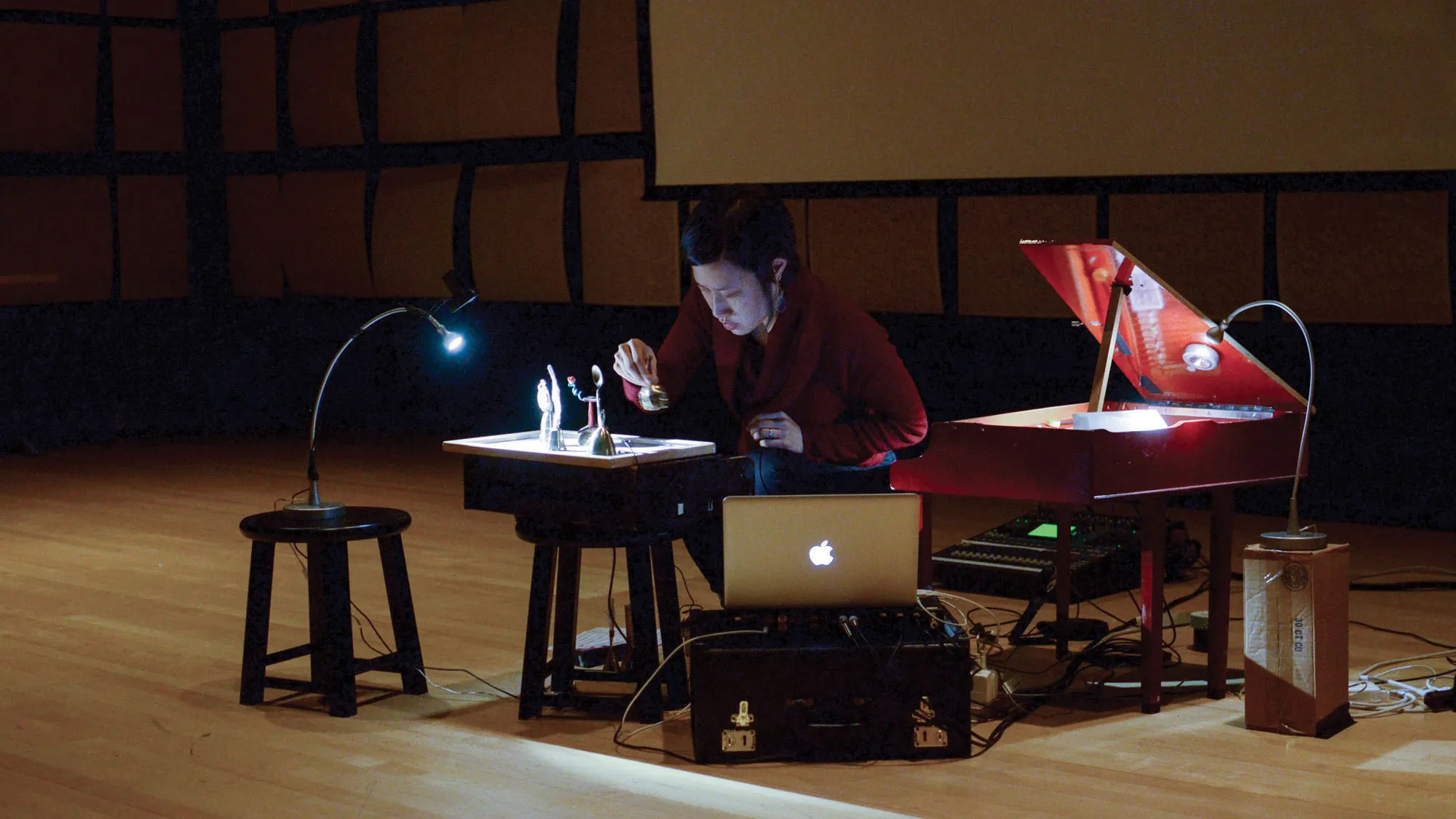
A woman hunched at a small desk setting up figurines under a light. She is surrounded by a small red piano and sound recording equipment.

Down The Rabbit-Hole

Phyllis Chen + Rob Dietz

Down The Rabbit Hole was a workshop performance of a new piece created in residence by Phyllis Chen (toy pianist/composer) and Rob Dietz (video artist/electronic musician). A multimedia work for toy pianos, music boxes, live electronics, live and edited video, and amplified objects, Down the Rabbit Hole was inspired by Lewis Carroll’s Alice stories; rather than a re-telling of a beloved tale, it drew upon objects and themes from the novels: the ticking of a pocket watch, the shuffling of a deck of cards, and the clattering of a tea set were reinvented in visual and sonic terms. With the use of microphones, a magnifying glass, and live video feeds, commonplace objects were brought to life, and a miniature stage was set in motion inside a toy piano. 

Chen creates original multimedia compositions using toy pianos, music boxes, electronics, and video, presented in concert alongside works by prominent 20th century composers such as John Cage and Julia Wolfe. Dietz is a multimedia artist, VJ, and electroacoustic musician with an interest in generative audiovisual systems.
Down the Rabbit Hole

Phyllis Chen + Rob Dietz

Down The Rabbit Hole was a workshop performance of a new piece created in residence by Phyllis Chen (toy pianist/composer) and Rob Dietz (video artist/electronic musician). A multimedia work for toy pianos, music boxes, live electronics, live and edited video, and amplified objects, Down the Rabbit Hole was inspired by Lewis Carroll’s Alice stories; rather than a re-telling of a beloved tale, it drew upon objects and themes from the novels: the ticking of a pocket watch, the shuffling of a deck of cards, and the clattering of a tea set were reinvented in visual and sonic terms. With the use of microphones, a magnifying glass, and live video feeds, commonplace objects were brought to life, and a miniature stage was set in motion inside a toy piano.

Chen creates original multimedia compositions using toy pianos, music boxes, electronics, and video, presented in concert alongside works by prominent 20th century composers such as John Cage and Julia Wolfe. Dietz is a multimedia artist, VJ, and electroacoustic musician with an interest in generative audiovisual systems.
Image
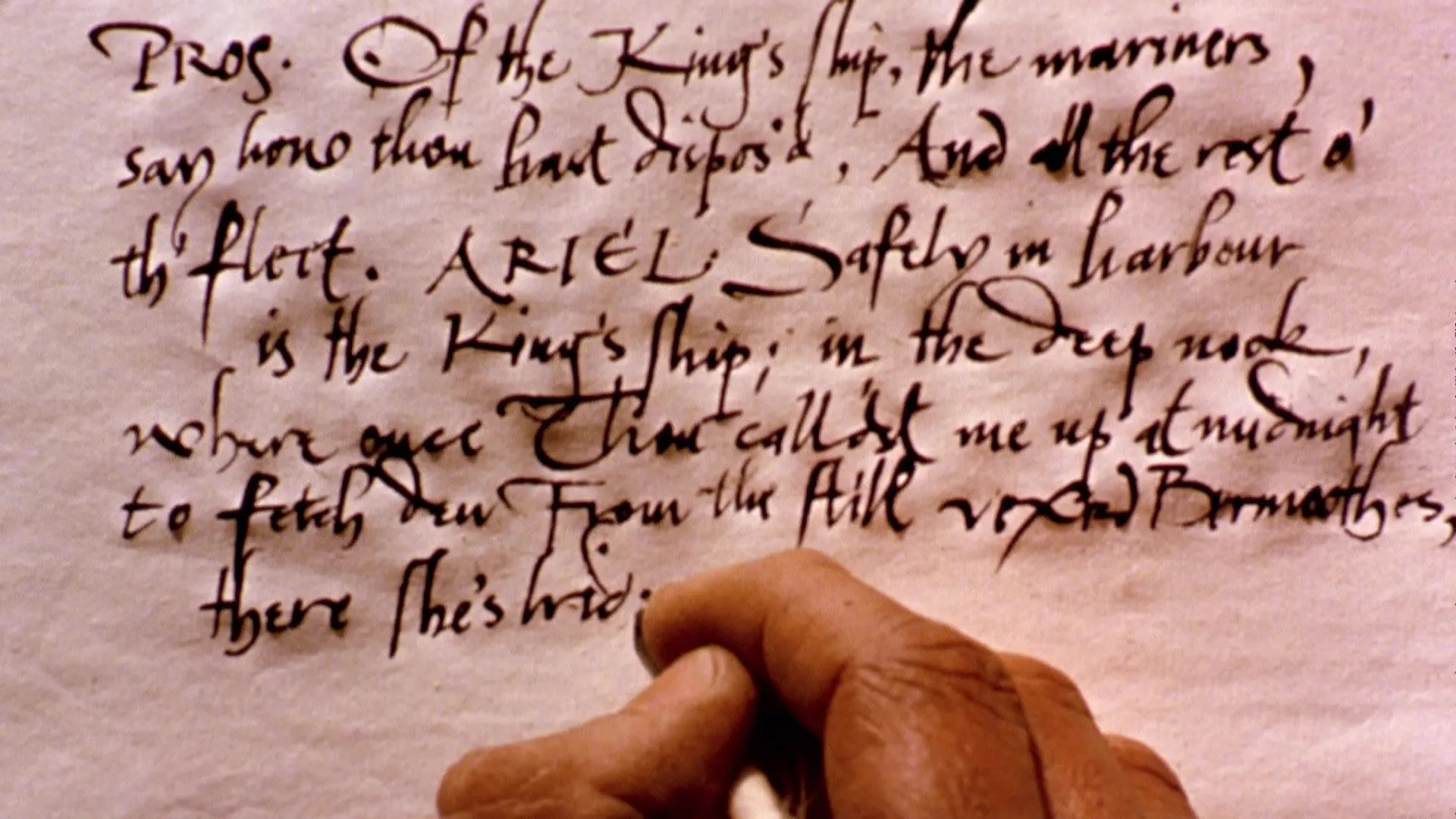
A hand writing with quill and ink on parchment in an old English style of cursive.

Prospero’s Books

Directed by Peter Greenaway

Prospero's Books, Peter Greenaway's celebrated cinematic adaptation of Shakespeare's The Tempest, interweaves dance, opera, and mime into its narrative. A palimpsest of filmed and animated images, Prospero's Books, starring John Gielgud as Prospero, the former duke of Milan who was exiled with 24 of his books, was a pioneering work in the digital manipulation of the cinematic image.

Warning: this film contains nudity and may not be suitable for some audiences.

Cinematic Chimera presents works that strive for a radical synthesis of artistic genres, reviving the notion of the Gesamtkunstwerk, or total artwork. United by their integration of theater, dance, music, architecture, literature, and visual art, these films also realize the Gesamtkustwerk’s technological imperative by making use of advanced cinematic techniques.

Main Image: Film still from Prospero's Books (1991).

Image
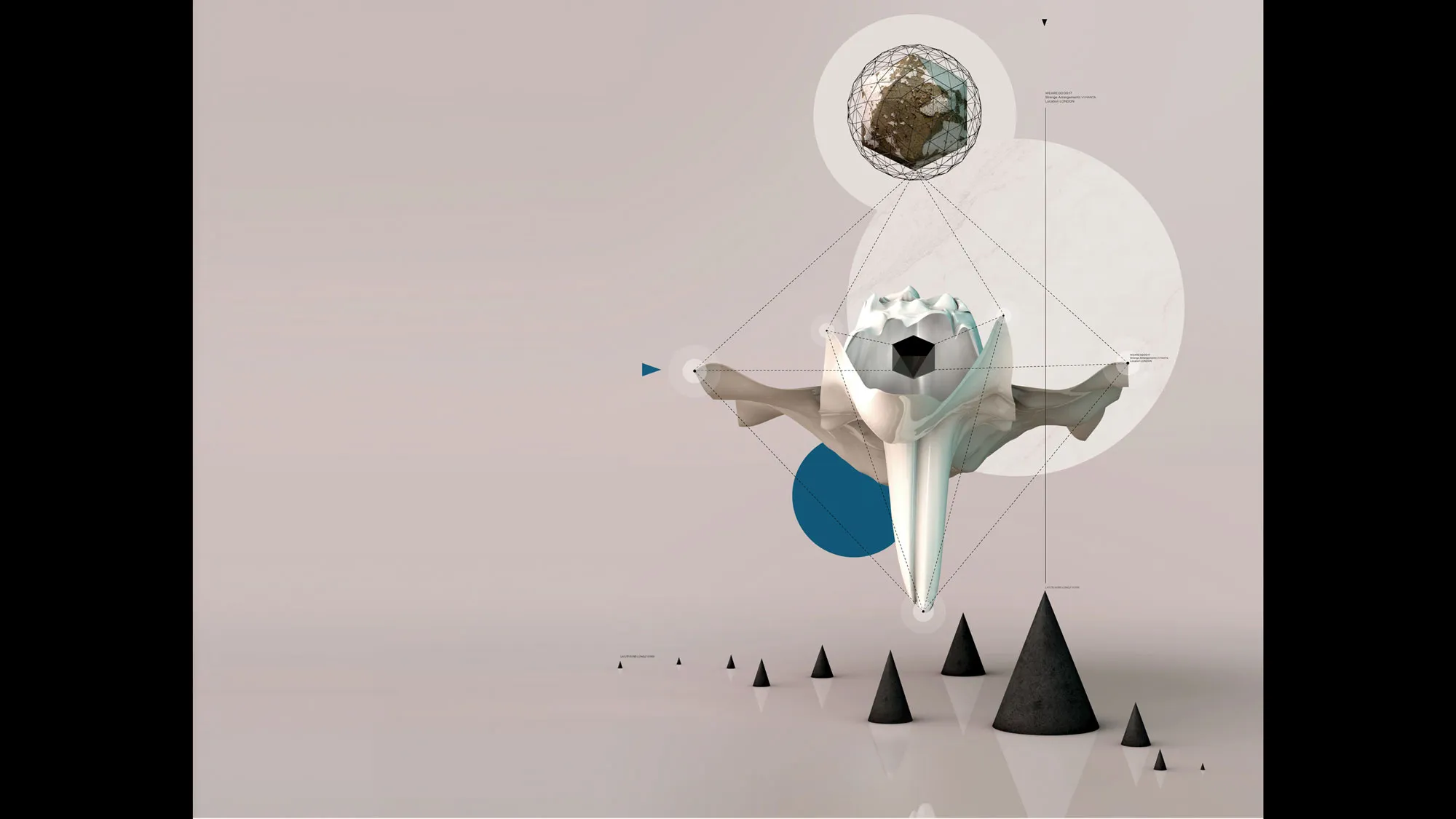
Abstract computer generated illustration of an organic white bone shape hovering over a serious of black cones on a pink background.

wow+flutter + wavelength

onedotzero

As we gear up for next season’s onedotzero_adventures in motion festival, two nights of double feature screenings will be presented from the international touring festival which premiered in London in 2010. Curated and compiled by onedotzero, all programs explore new forms and hybrids of moving image across motion graphics, short film, animation, music videos, and more.

wow + flutter 10

Sharing the most innovative and surprising new work across motion graphics, character design, typography, and animation from fresh talent and celebrated masters who blur and explode traditional notions of what moving image can be. This international selection comes from a program now synonymous with forecasting the future of moving image.

wavelength 10

Serving up radical new takes in music video—a genre that continues to act as a playground where new directors and musicians make their mark. Recent classics by critically acclaimed directors are showcased alongside witty lo-fi promos from up-and-coming talent.

Main Image: WOW + FLUTTER 10.

To Many Men Strange Fates Are Given

Brent Green

To Many Men Strange Fates Are Given is a trip through a storyland where a woman sews a spacesuit for a Russian dog astronaut and working-class people search for the meaning of their lives as they ride the tidal waves of technological invention. Green’s animation is characterized by familiar elements from this self-taught artist’s previous work—hand-drawn images and wry, off-kilter storytelling—while Green’s poetic narration ultimately becomes a lament for the disenfranchisement of working people then and now. This theme connects to his past protagonists: commonplace people who face toil and hardship, and sometimes, redemption and wonder. Working in residence, Green and collaborators developed an installation consisting of a welded metal frame that holds wooden phonograph horns, multiple planes of polarized glass, and brightly glowing LCD screens that emulate a multiplane camera used in classic animation films. Green often performs his films with live musicians, improvised soundtracks, and live narration in venues ranging from rooftops to art institutions such as the Getty Center, the Walker Art Center, the Hammer Museum, the Wexner Center for the Arts, The Kitchen, and MoMA. He lives and works in the Appalachian hills of Pennsylvania.

Moments in Motion 2

Marlene Millar and Phillip Szporer

In 2004, Marlene Millar and Philip Szporer made a documentary, Moments in Motion, that followed the creative lives of seven Canadian choreographers from diverse cultures and backgrounds: Natasha Bakht from Ottawa, Byron Chief-Moon from Lethbridge, Day Helesic from Vancouver, Hinda Essadiqi and Audrey Lehouillier, both from Montréal, Malgorzata Nowacka from Toronto, Sarah Stoker from St. John’s. The film used cinéma-vérité depictions of their communities, studios, and homes to capture the essence of their day-to-day worlds, as well as dance sequences to reveal their creative process. Working in residence, Millar and Szporer considered a new phase of this project that would use both video and the web in a multi-platform documentary series.

Millar and Szporer founded Mouvement Perpétuel, a Montréal-based media production company specializing in arts programming, in 2001.

Image
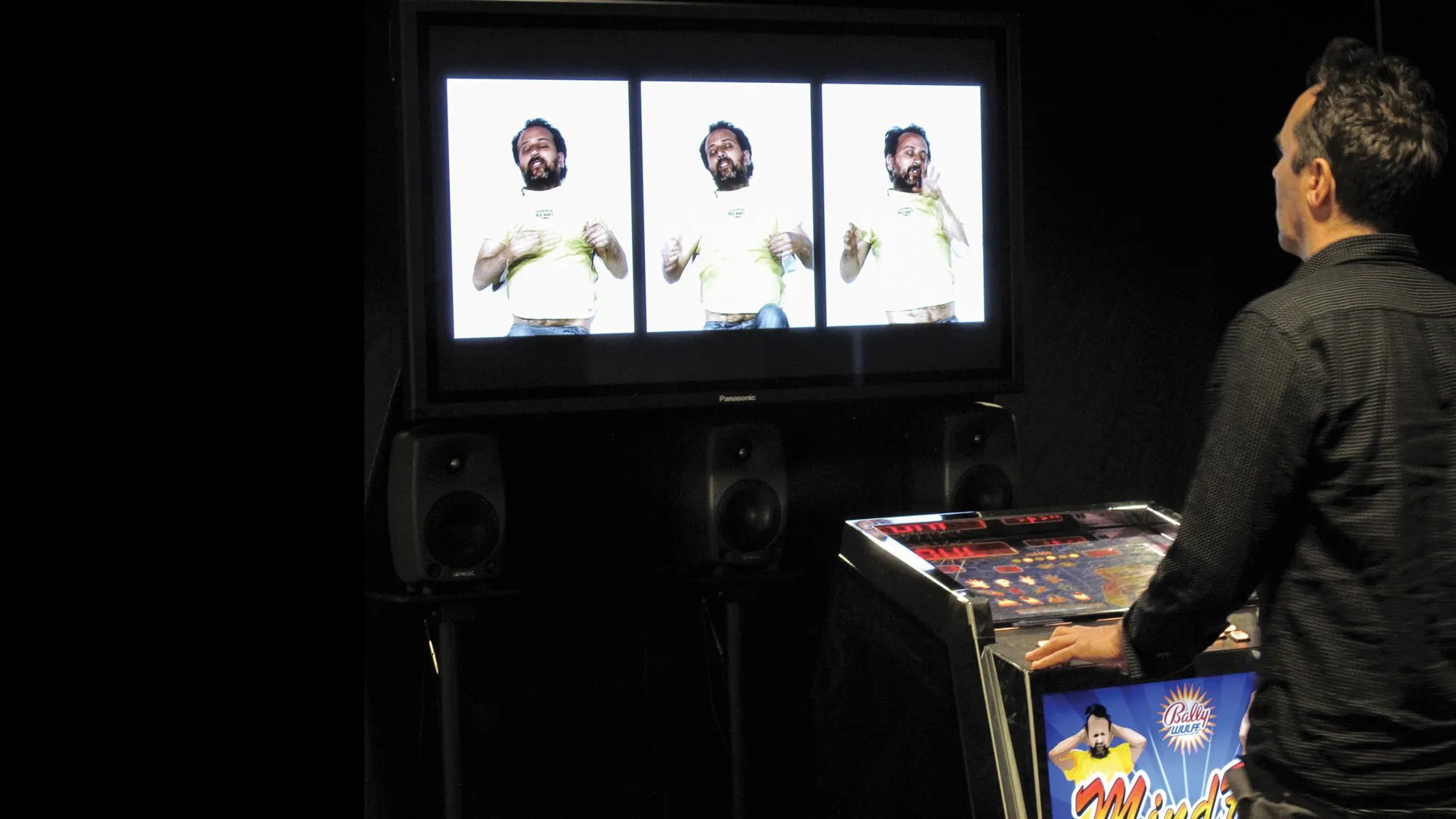
A man playing a pinball machine in front of three projected images of another man in various states of motion.

Christian Graupner

MindBox

Using a modified one-armed bandit slot machine, MindBox is a viewer-driven dance video: insert a coin, work the machine’s lever and buttons, and directly remix the moves of the beatboxing man on three screens. Media artist Christian Graupner and choreographer Roberto Zappalà teamed up to make a vocabulary of sounds and movements that take beatboxing—a vocal percussion style that comes out of hip-hop—into the realm of interactive media. The soundtrack takes advantage of both the randomized real-time processes of slot machines and Zappalà’s rhythmic, beat-based performance. As lights flash, the viewer plays this media sculpture like an instrument, creating an idiosyncratic movement portrait.

Graupner is a Berlin-based artist, film composer, and the creator and developer of real-time media playback systems. Zappalà founded the Compagnia Zappalà Danza to widen and deepen his own research in choreography while extending the possibilities for the training of young contemporary dancers. The technology was developed by Nils Peters (Humatic) and Norbert Schnell (IRCAM).

Main Image: Installation view: Mindbox, 2011. Photo: EMPAC/Rensselaer.

Image
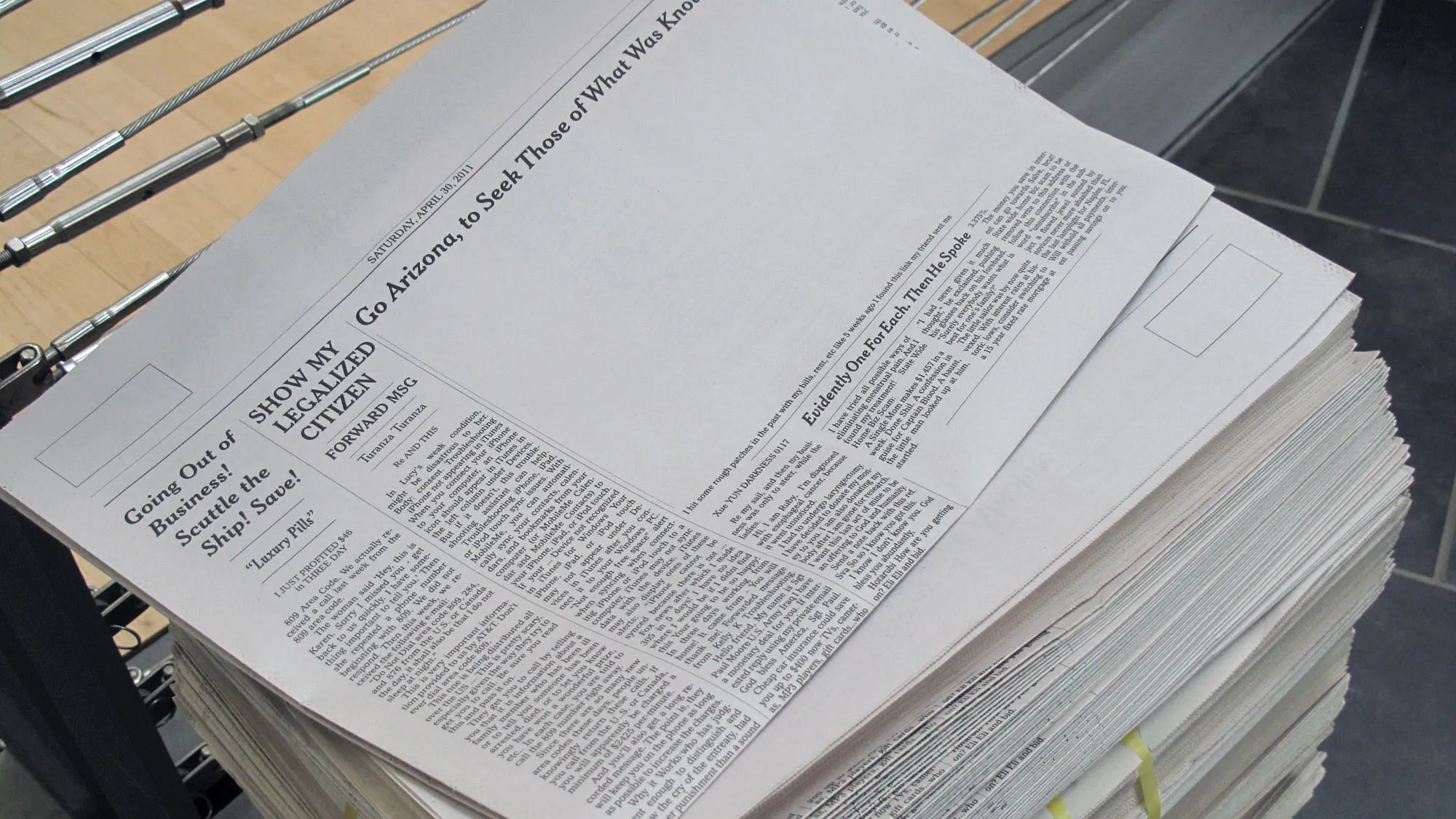
A stack of newspapers dates Saturday, April 30, 2011.

The Confidence Man

Graham Parker

In this collection of projects by New York-based artist Graham Parker, new film and audio work, made by the artist while in residence at EMPAC in spring 2010, is shown alongside a series of alterations to the building’s environment that range from the theatrical to the virtually invisible. Parker has long been interested in spectrality—the concealing of one set of operations behind the appearance of another. His 2009 book Fair Use (Notes from Spam), explored spam emails as the latest manifestation of a longstanding mode of deception that has accompanied nearly all new developments in human transport and communication networks (the book touched on such phenomena as Nigerian spam, 19th century railroad cons and medieval beggar gangs). The Confidence Man features work that has grown out of that research—including hacked ATM machines, rogue WIFI networks, monologues drawn from spam emails and a tribute to the 1973 film The Sting

Graham Parker is a New York-based multimedia artist and writer. His work considers contemporary digital phenomena against the historic contexts and antecedents from which they emerged—often finding unexpected, even uncanny connections between these different moments and modes. His work has been commissioned by the Tate Gallery, Henry Moore Institute, Center for Understanding the Built Environment, Foundation for Art and Creative Technology, Lower Manhattan Cultural Council and the Arts Council England, among others, and is held in public and private collections around the world. His 2009 book Fair Use (Notes from Spam) was described in Artforum as “meticulous historical research... a superb analysis.”

Image
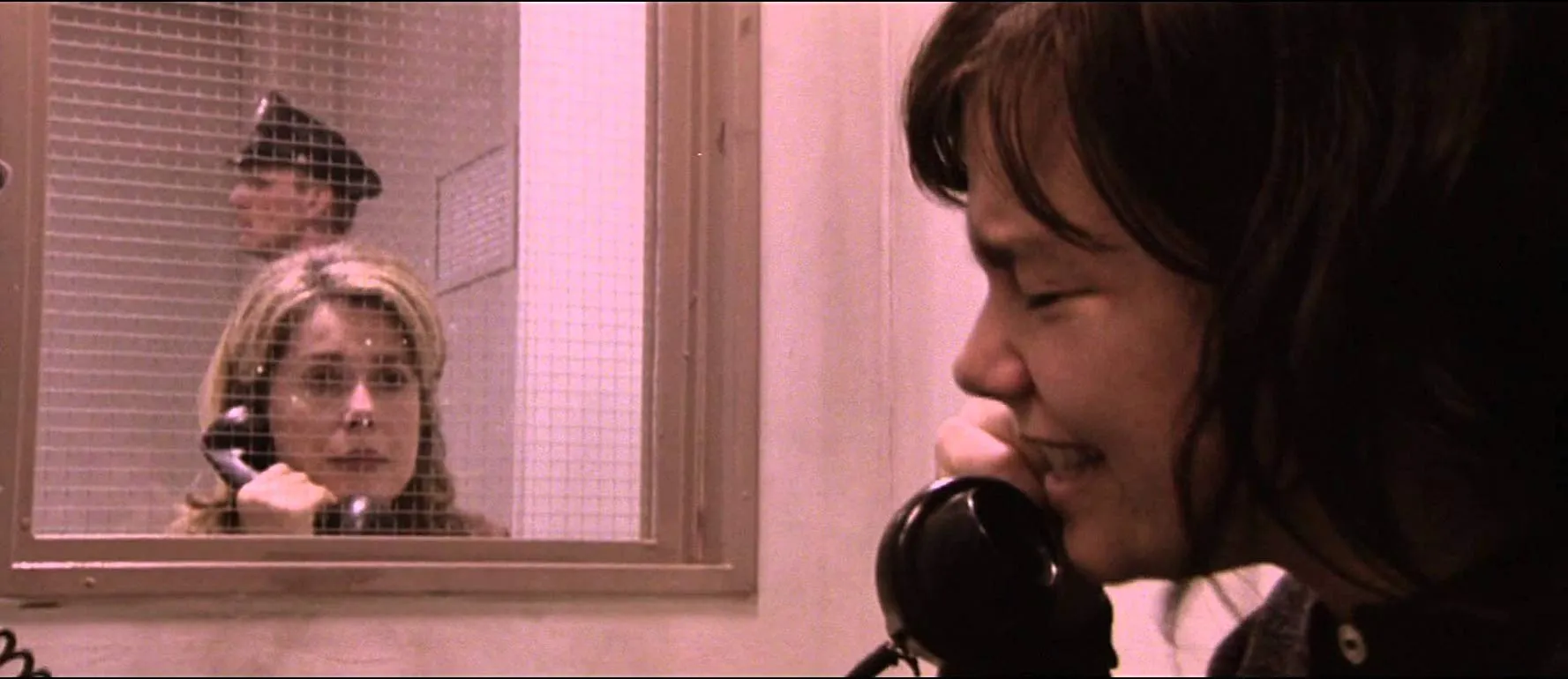
A  woman crying into the phone as another sitting behind prison glass listens. A guard stands in the background.

Dancer in the Dark

Directed by Lars von Trier

Lars von Trier's only work in musical theater, Dancer in the Dark is an assault against escapism in film. Dancer in the Dark is an agonizing and unrelenting narrative of cruelty, hardship, and human nature. The film stars Björk as a single immigrant mother working in a factory in rural America who begins to lose her eyesight due to degenerative disease. The film's narrative is punctuated with sequences of song and dance, which were filmed simultaneously using one hundred separate cameras.

Lars von Trier was born in Copenhagen, Denmark in April 1956. Among the most influential filmmakers of the past decade, Danish director Lars von Trier became the figurehead of the Dogme 95 collective, calling for a return to plausible stories in filmmaking and a move away from artifice. His Dogme 95 contained eleven commandments (including prohibitions against genre films, artificial lighting, and the widescreen format) and invited artists of good faith to accept a “vow of chastity.” While ostensibly an attack on overblown commercial productions, the manifesto was effectively deployed in the promotion of a highly original series of low-budget films by von Trier and fellow directors associated with the Dogme movement.

He graduated from the Danish Film School in 1983 with his short film "Images of a relief" ("Befrielsesbilleder") which won the Best Film award at the Munich Film Festival the following year. His Breaking the Waves (1996), for which he won the Jury Prize at Cannes, was the director's first film in the Golden Hearted Trilogy that centered on the female sex; subsequent films in this trilogy include The Idiots (1998) and Dancer in the Dark (2000), which won the 2000 Palm D'Or at the Cannes Film Festival. Together with producer Peter Ålbæk Jensen, Lars von Trier owns Zentropa Enterprises, which produces Lars von Triers fims, as well as many others.

Main Image: Film still from Dancer in the Dark (2000).

Image
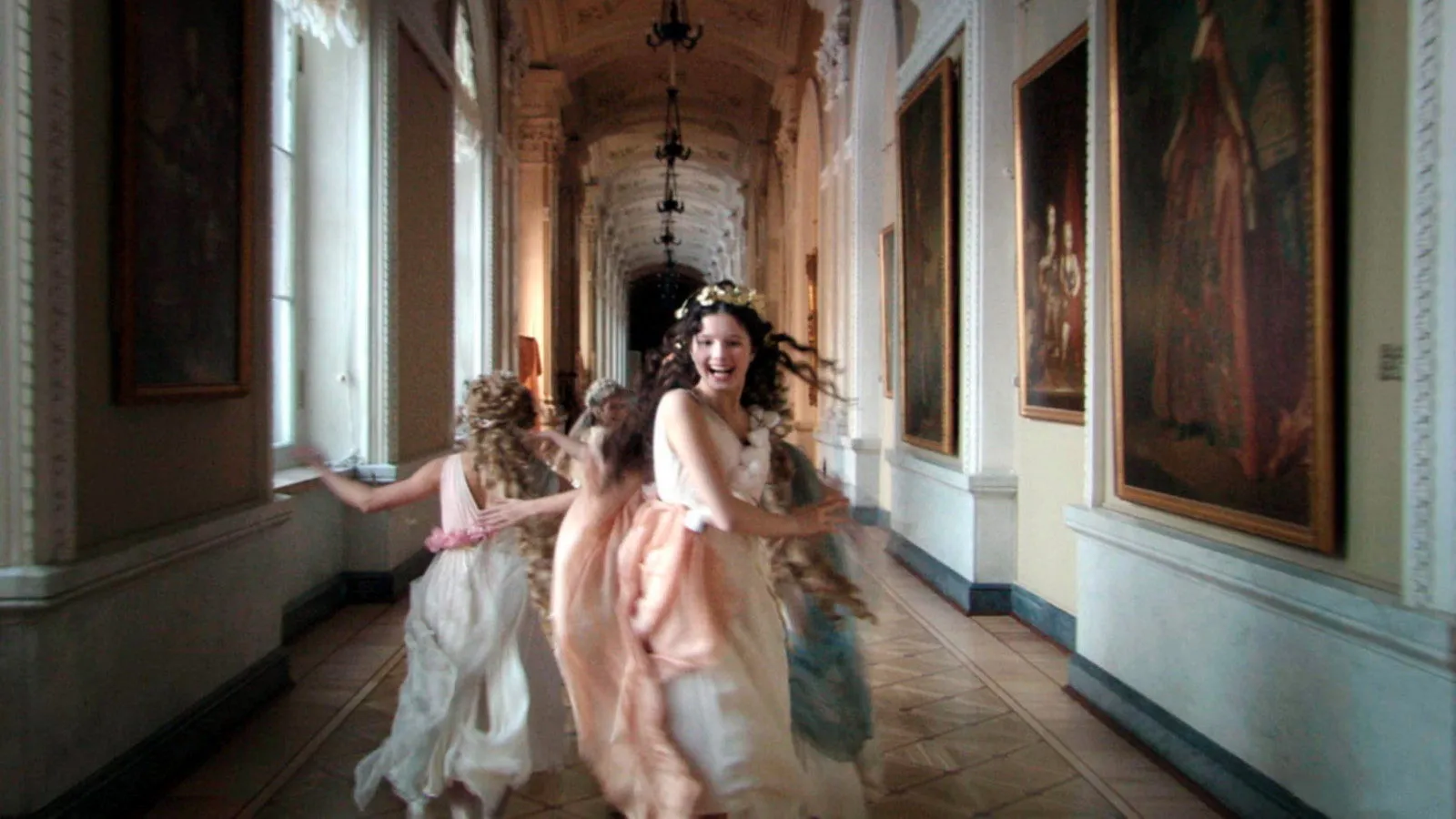
Women dressed as nymphs with flower crowns and flowing draped clothing running down the hall, burred in motion and with expressions of joy of the Hermitage in Saint Petersburg, Russia.

Russian Ark

Directed by Alexander Sokurov

A single camera drifts through the 33 rooms of the Hermitage Museum in St. Petersburg, tracing Russia’s history from the 18th century to the present day. Filmed in one 90-minute continuous shot, Russian Ark subtly interweaves dance, opera, theater, and music in this poetic meditation on the flow of history.

Alexander Sokurov was born in 1951 in the village of Podorvikha, Irkutsk Region, USSR. One of most important contemporary Russian filmmakers, Sokurov worked extensively in television in his early career and later graduated from the prestigious film school, VGIK, in 1979 where he befriended Tarkovsky who became his mentor. His films are often plotless with emphasis on aesthetics and impressionism, and are notable for their philosophical approach to history and nature. Since 1980, he has lived and worked in St. Petersburg, directing feature films and documentaries. In 1995 he was declared one of the best international directors by the European Academy of Cinema.

Main Image: Film still from Russian Ark (2002).

Media