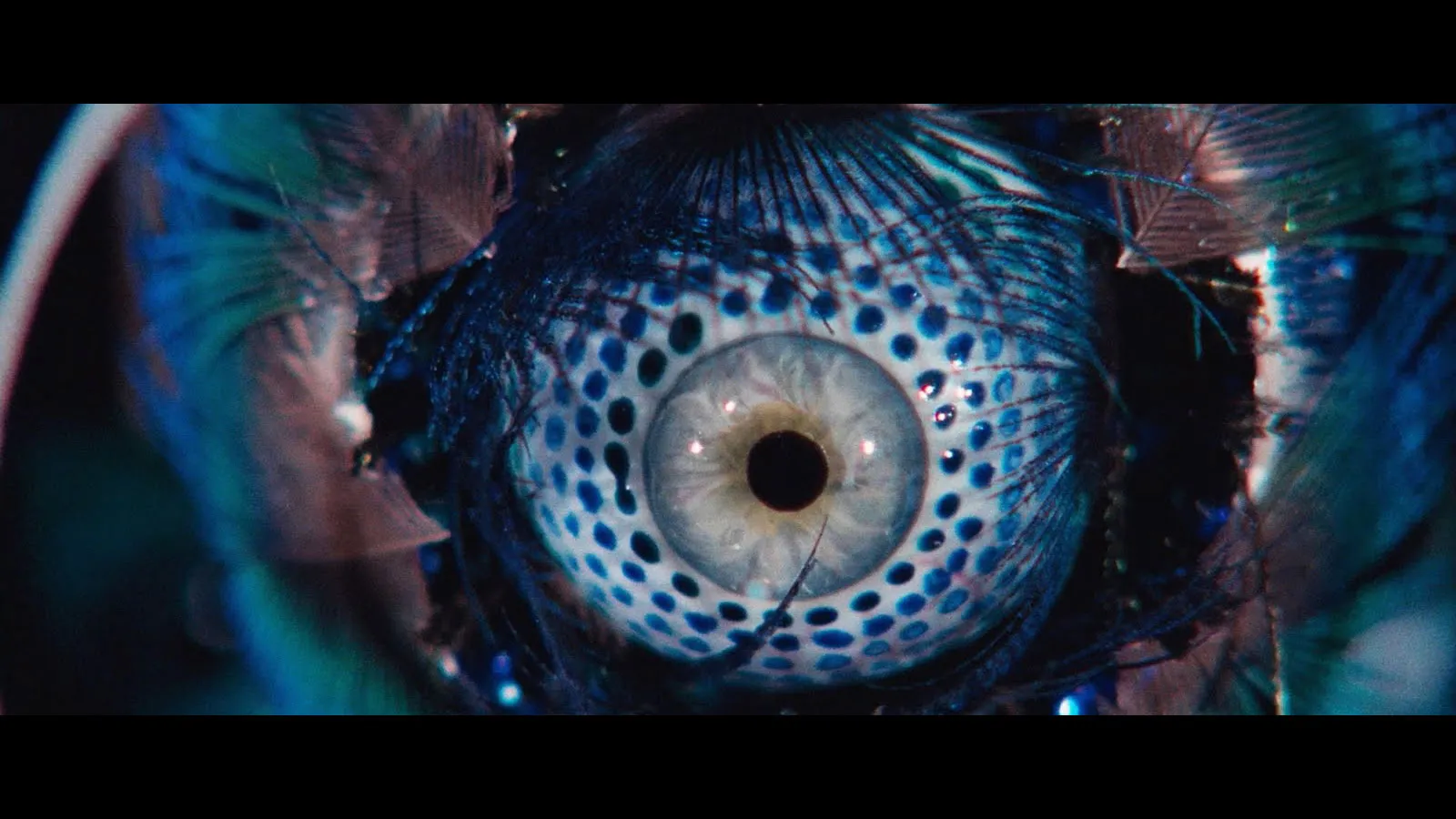
Holy Mountain
Jodorowsky’s Holy Mountain sparked a riot at its premiere at the Cannes Film Festival in 1973 and has been the source of controversy ever since. The film creates an uncompromising vision of the rituals and power of religion and Western desires for Eastern spirituality through beautiful, fantastic, and visceral images. Inspired by St. John of the Cross’ Ascent of Mount Carmel and René Daumal’s Mount Analogue, it depicts a group of individuals on a quest for enlightenment and immortality through a journey to a holy mountain that is said to unite heaven and earth.
Shadow Play is a series of films that tread nimbly between reality and illusion, acknowledging the artificial nature of cinema. Referencing the tradition of shadow puppetry, the origins of cinema in phantasmagoria, and Plato’s Allegory of the Cave, each film draws on the metaphors of light as reality and shadow as artifice. In Plato’s The Republic, the allegory of the cave illustrates the difference between truth and illusion. Many writers have noted that Allegory of the Cave (written c. 360 BCE), bears great resemblance to the contemporary movie theater.
Main Image: Film still from Holy Mountain (1973).