Spatial Audio: Perception and Experience

Spatial Audio Summer Seminar 2019

EMPAC’s Spatial Audio Summer Seminar offers unique insights into how sound can be shaped with technology to create spatial auditory experiences. Open to musicians, audio engineers, composers, programmers, and audiophiles of all kinds, the seminar consists of lectures, demonstrations, listening sessions, and performances providing the opportunity to be immersed in the excellent venues and outstanding audio systems at EMPAC.

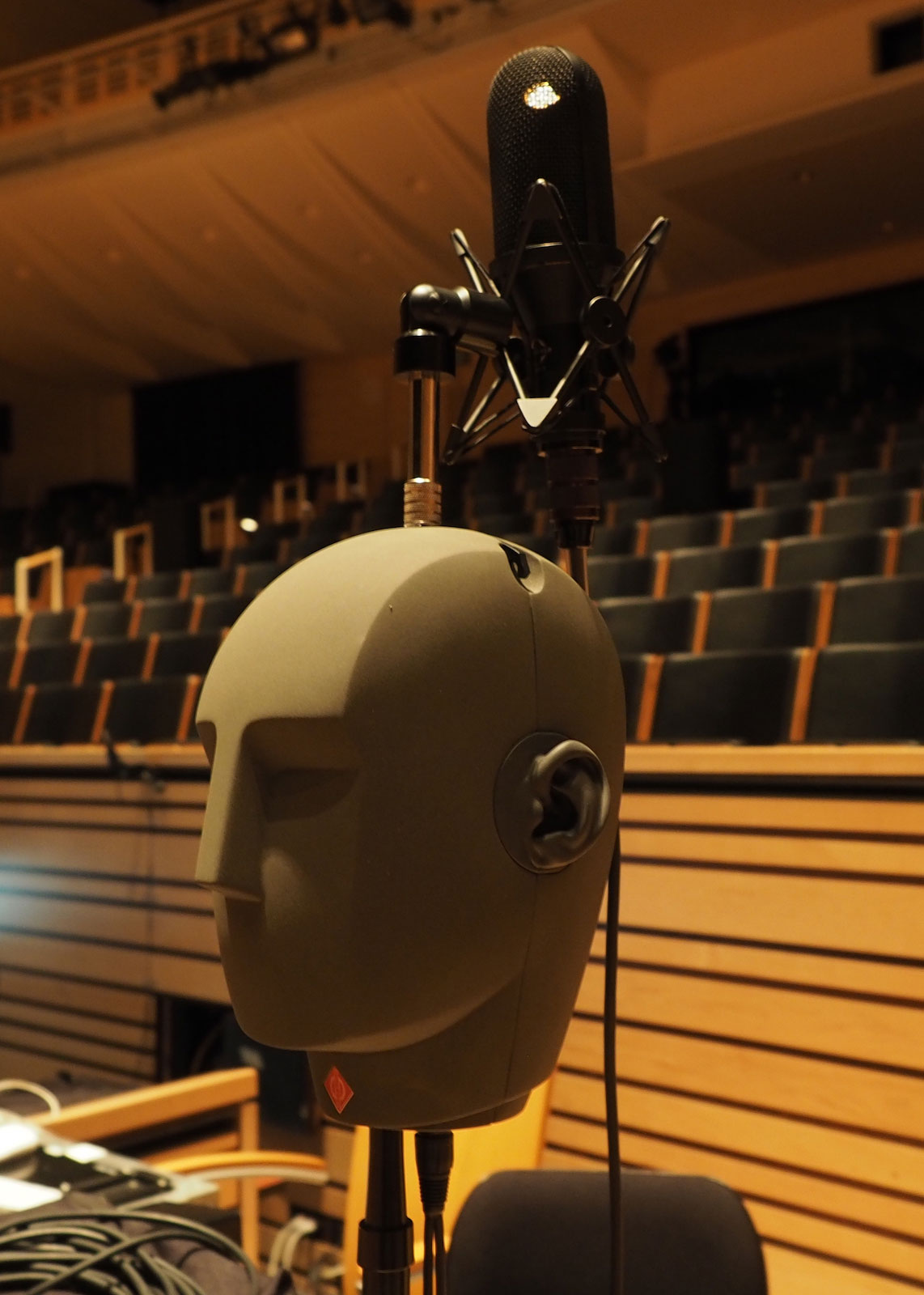
This year’s seminar will feature extensive listening opportunities for participants to focus on the perceptual experience that these systems create. EMPAC’s studios and venues will be equipped with several large, high-end systems to directly compare different methods of spatializing audio, including high-order Ambisonic systems, high-density Wave Field Synthesis (WFS) configurations featuring hundreds of loudspeakers, as well as binaural audio streaming.

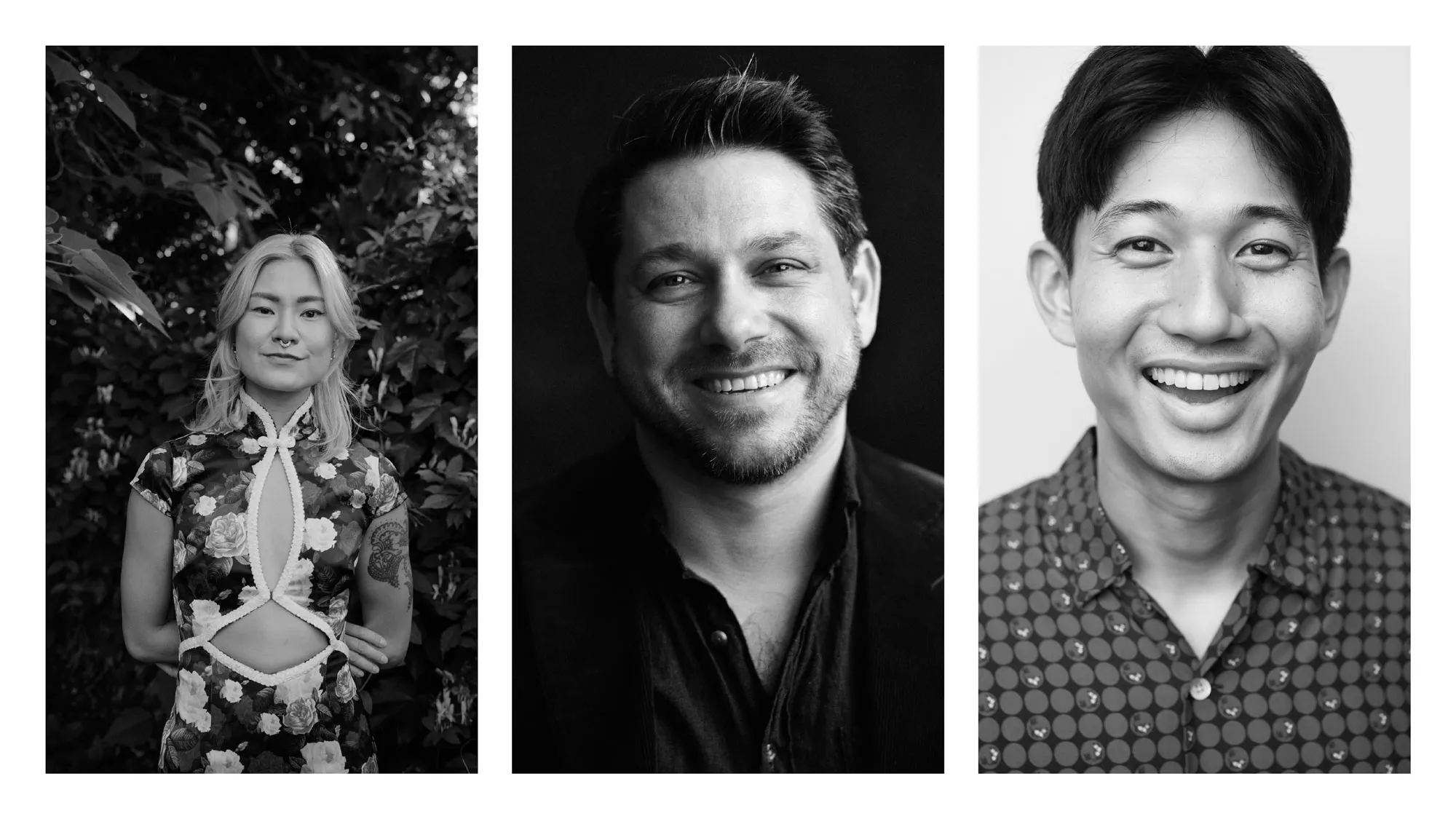
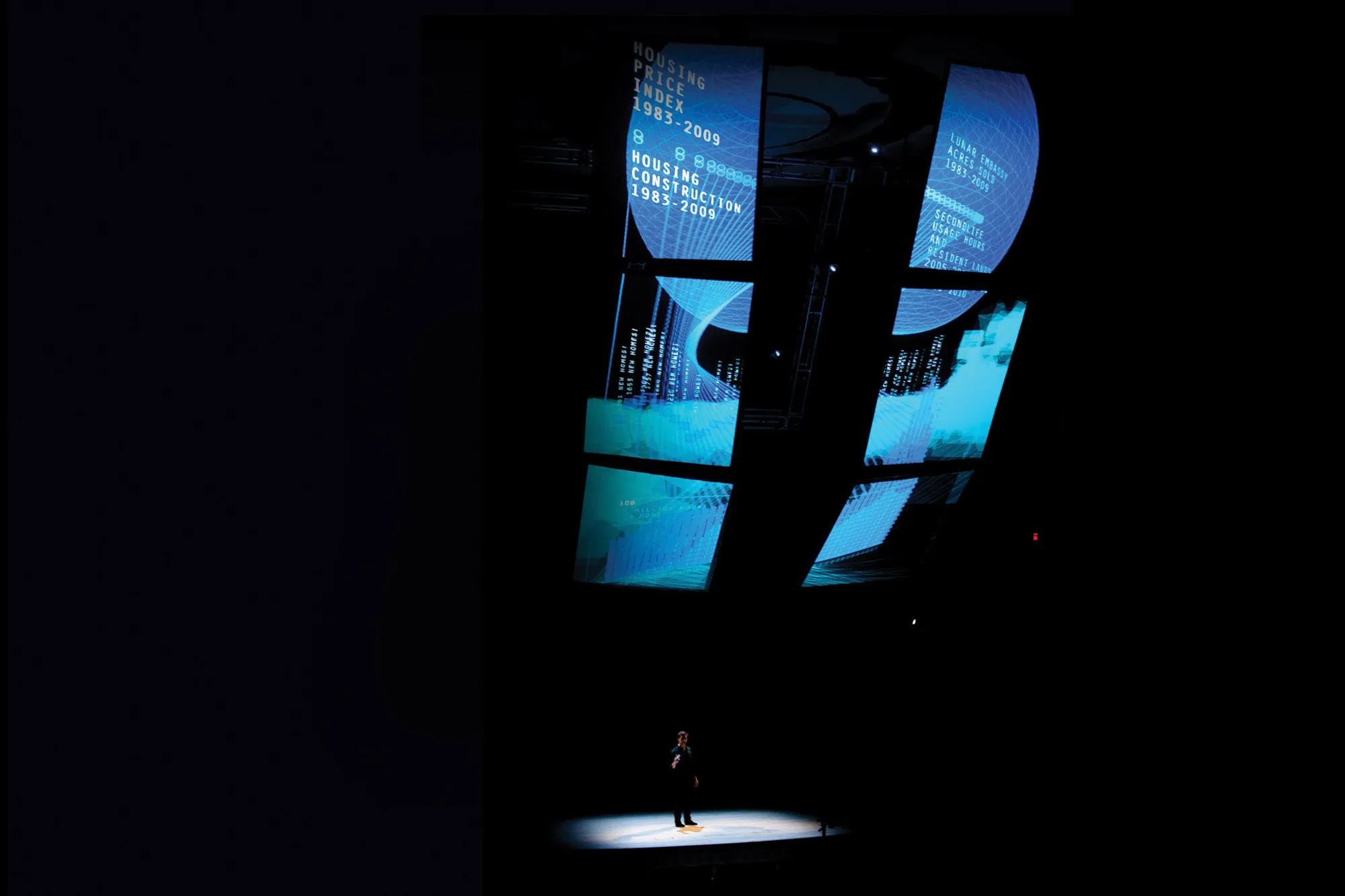
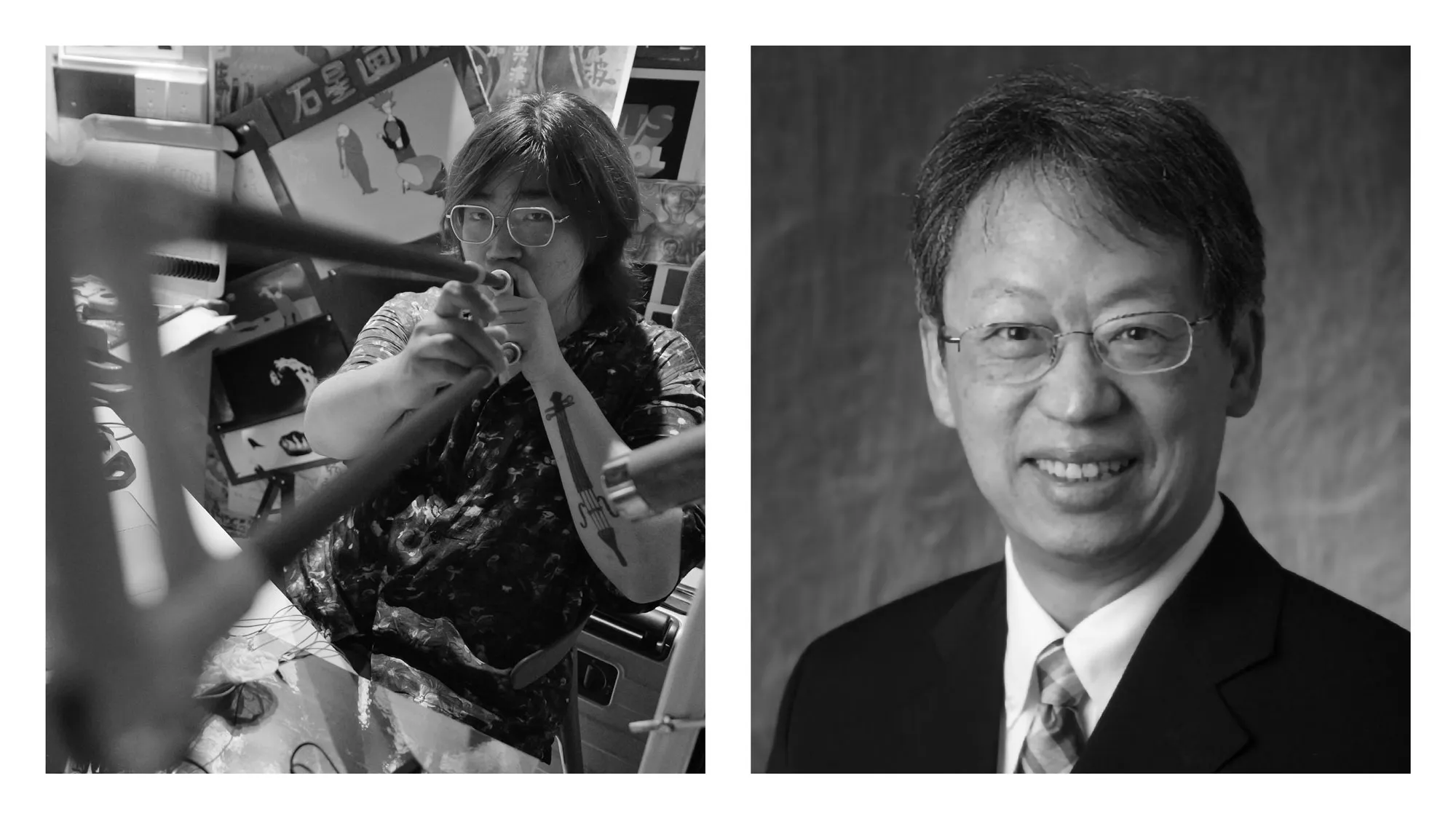
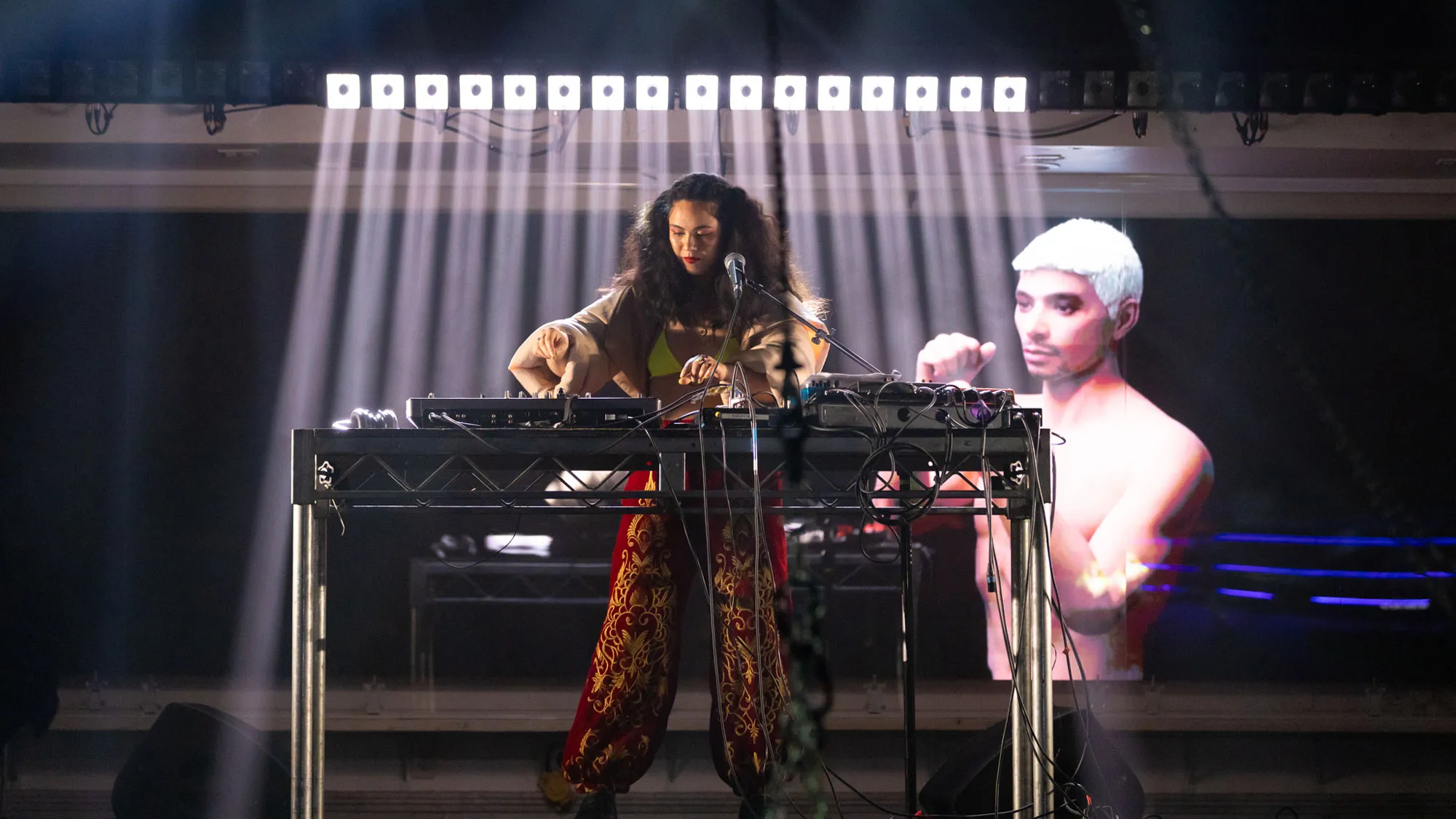
Focusing on the aesthetic function spatialized audio serves in a specific work, the seminar leaders will guide participants through the application of such systems to experimental, electroacoustic, and “contemporary classical” music, as well as virtual reality installations and soundscapes. This year’s seminar leaders include the composer and performer Natasha Barrett, who will perform a concert on the event’s opening night; Markus Noisternig, an expert in immersive 3D audio and researcher at the Paris-based Institute for Research and Coordination in Acoustics/Music (IRCAM); Chris Chafe, director of the Center for Computer Research in Music and Acoustics (CCRMA) at Stanford University; Brendan Baker, radio and podcast producer and sound designer; Bobby McElver, a sound designer and former EMPAC artist-in-residence; and members of the EMPAC audio team.

SCHEDULE

  • Thursday, July 18, 2019
  • 5:30–6:30PM — Arrival at EMPAC, buffet dinner
  • 6:30PMWelcome and venue walkthrough — Johannes Goebel
  • 7:30PMConcert: Natasha Barrett Pockets of Space Video and Oculus VR version
  • 9:30PMWolverine Marvel podcast with drinks and cheese — Brendan Baker
  • Friday, July 19, 2019
  • 9AM — Comparison of different spatial audio methods
    Concepts, Implementation, Perception — Markus Noisternig
  • 11:30AM Close your eyes and imagine what you want to hear.
    Research, Craft, and Reality in Creating Spatial Audio Environments — Chris Chafe
  • 1PMLUNCH
  • 2PMArtistic Goals, Aesthetics and Realization
    Detailed discussion of a work integrating spatialization — Markus Noisternig
  • 3:45PMSpatial Audio in Podcasts — Brendan Baker
  • 5PMThe EMPAC high-resolution modular loudspeaker array for Wave Field Synthesis
  • 6PMPresentation with Wave Field Synthesis Arrays above the audience — Bobby McElver
  • 7PMDINNER
  • 8:30PM — Public Concert: Natasha Barrett Electro Dream Space
  • Saturday, July 20, 2019
  • 9AM — Spatialization at IRCAM
    How technical development, artistic application and commercialization have influenced each other — Markus Noisternig
  • 10:30AMPanel and discussion
    Practical Issues of Spatialization in Performance, Production, and Installation
  • 12:30PMLUNCH
  • 2PMDEPART

COST

  • $120 Includes: all events, dinner on Thursday and Friday, lunch on Saturday.
  • $85 for students
  • Registration is FREE for RPI Faculty and Students with a valid RIN

WHAT TO BRING

Participants should bring headphones and a digital device that can connect to a local wireless network for streaming music.

LODGING

Participants are responsible for finding their own lodging. Please contact John Cook at the EMPAC box office for special rates at local hotels.

VIDEO ARCHIVE

Please enjoy the video documentation of last year's event.
Image
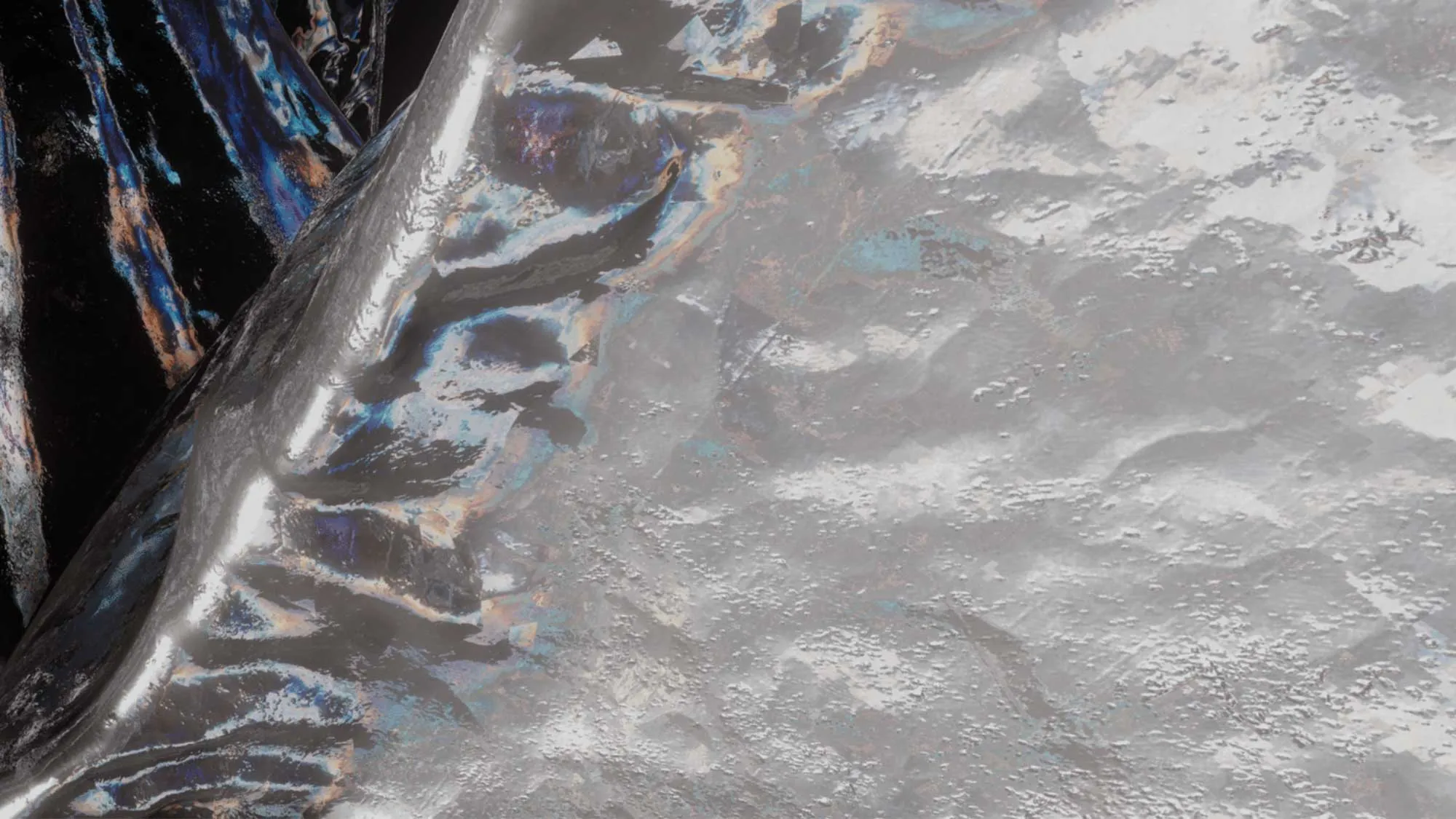
a mountainous landscape with a valley in the foreground

Primordial

Meg Foley & Carmichael Jones

How are our bodies formed by the shifting ground that holds us up? How do we reshape and reform over time? How are we aligned in space and time with the environment around us?

Beyond EMPAC’s glass walls, the horizon converges with printed and projected natural landscapes inhabited by a being that is both body and stone. In this site-specific, multi-channel video installation by collaborators and co-parents Meg Foley and Carmichael Jones, the shifting presence on screen becomes a vortex of gestational and geological time: Foley performs “rock drag,” embodying geologic processes by mimicking a boulder’s sped up evolution through movement while hidden beneath layers of fabric. Responding to the histories of the natural terrains where the footage was shot, the figure becomes both a character within and a physical extension of the landscape—a singular body that is deeply organic but never fully human.

Installed across multiple levels of EMPAC’s glass enclosed bridges, photographic stills printed on stretched lycra become projection surfaces, multiplying the figure so it can be seen from several vantage points as well as close-up within the bridges themselves. The sounds of Foley’s body in motion—heartbeat, breath—form an ambient soundscape, blurring the intimacy implied by the fabric-covered body with the expansiveness of the surrounding landscapes. The result is a meditation on queer gestation, selfhood, geology, and transformation, inviting a slower pace of attention and an expansive sense of scale.

Main Image: Meg Foley & Carmichael Jones, Primordial, video still. Courtesy the artist. Photo: Carmichael Jones.

Image
empac level 7 lobby

Yellow Lab Book Bar

Corpus Festival 2026

Troy’s own Yellow Lab Vintage & Books hosts a pop-up bookstore and reading lounge filled with titles about space, place, performance, and embodiment, carefully selected by Yellow Lab’s Jessica DuPont along with selections by the festival’s artists and curator. Hang out on cozy couches with a wine or beer from Evelyn’s Café and peruse the shelves of new and used books for sale. Other books are just for display, offering glimpses into artists’ personal, annotated copies.

Main Image: EMPAC Level 7 Lobby. Photo: Paúl Rivera.

Image
a group of dancers in white in a formation in a white cube bathed in blue light

The Oath

Annie-B Parson & Alla Kovgan | Big Dance Theater

Why do we choose to move in unison—to relinquish individuality to collectivity? What harmonies become possible in group movement, and what are its limits? Can difference and distinction persist within bodily sameness?

The Oath traces a fictional and incomplete history of unison movement as the desire to become a single body. Over a nearly 24-minute film, screened on a continuous loop, it captures the power of mass gesture across a spectrum that ranges from the communal to the monstruous. Dressed in identical, unidentifiable white uniforms and staged within Alla Kovgan’s sweeping direction, a large ensemble of dancers perform Annie-B Parson’s precise cycle of poetic and vernacular gestures. Their movements encompass both utopian and dystopian choreographies of community, clan, club, army, congregation, and machine.

In EMPAC’s vaulted concert hall, the film’s abstract, colorful landscape becomes both larger than life and unsettlingly claustrophobic, calling attention to the spatial patterns the group forms within the contained world of the frame. As the dancers move in perpetual unison, individuality flickers, at once starkly visible and dissolving into the group. The Oath stages collective gesture as bond and bind, promise and battle, celebration and intimidation—at once ritual, rehearsal, and dance.

Main Image: Annie-B Parson & Alla Kovgan, The Oath, video still, 2025. Courtesy the artist.

Media
Image
The Oath movie poster
Image
an image of a black hole

Black Holes Ain’t So Black

Thuto Durkac-Somo, Jonathan González & Mario Gooden

How does liberation feel in the body? How do structures of violence shape the spaces around our bodies and around our planet?

In this premiere of a new, multisensory performance-talk in development, cultural practice architect Mario Gooden delivers a rapid-fire oration drawn from an expansive bibliography of Black authors and references to outer space. Three-channel projections of archival images and film clips intersect with new footage shot by writer-filmmaker Thuto Durkac-Somo. These visual frictions are synthesized in the movements of choreographer-writer Jonathan González, performed both live and onscreen. By collaging spoken text, embodied movement, and moving image, these artists open a portal for imagining how the spatial practices of Black liberation unfold on bodily, architectural, and cosmological scales.

In A Brief History of Time: From the Big Bang to Black Holes (Bantam, 1998), theoretical physicist Stephen Hawking defines a black hole as a region of space from which escape is impossible: “It is a bit like running way from the police and just managing to keep one step ahead but not being able to get clear away!” Amidst the present planetary reckoning with  systemic oppression, Black Holes Ain’t So Black begins with this charged image, where cosmological space slips into social choreography. From there, the performance-talk moves through a cascade of juxtaposed images, gestures, and quotations, creating a barrage of sensory and conceptual connections. Following the presentation, the artists will join the audience in conversation, moderated by curator Tara Aisha Willis.

Main Image: Polarized emission of the ring in M87. Photo: EHT Collaboration.

Image
a deflated top half of a golden blowup body slumps over a golden pyramid shaped pedestal

Monumental Death

Kate Ladenheim

How are we implicated in the images of power that surround us? How do our actions mimic what we have learned from those that lead us?

Greeting visitors at EMPAC’s main entrance, this interactive sculpture premiere invites us to embody and witness the gesture of the “heroic” death: a dramatized cycle of falling and rising that has long served as a symbol of nationalist ideals. Kate Ladenheim draws on, while sharply critiquing, the formal conventions and political assumptions of monumental sculpture to create an anti-monument that repurposes military materials and trigger mechanics.

Provided with a set of “score” instructions, participants become a part of a system of rising and falling bodies. The sculpture requires not just a single participant but variations on a collective action: people falling on mats activate the rise of an inflatable torso atop a pedestal covered in bullet casings. Without the viewers’ performance of self-sacrifice, the figure of power remains inert and deflated. Together, participants physically rehearse this trope of monumental proportions, revealing how “heroic” figures are constructed, and how many bodies are required, invisibilized, or lost in the process of holding them up. 

Main Image: Kate Ladenheim, Monumental Death, installation preview, 2022. Courtesy the artist. ArtCenter College of Design.

Image
A crowd of people seated on on benches, at tables, and milling about in a cafe.

Evelyn's Café during the Filament festival in 2010.

Photo: EMPAC / Kris Qua.

Community Supper

Corpus Festival 2026

The festival opens with a gathering: a free, family-style, long-table supper co-hosted by artist Yanira Castro, with creative contributions by partners and artists from across Troy, NY and the Capital Region, including food grounded in Indonesian ancestral traditions by Chef Ria Ibrahim, healing beverages from YesFolk Tonics, and creative offerings by Jude Abu Zaineh and Taína Asili. Sharing food, stories of where it comes from, and rich conversations across the table about what it means to gather here and now—these are all rituals of care and nourishment that shape this meal.

ALLERGENS: The supper will have vegan/vegetarian and GF options, but fish and chicken will be served, and peanuts and tree nuts in many dishes.

Image
a group of people in a black box studio working around a structure made of wood shipping palettes

Raft

Yanira Castro | a canary torsi

Can we hold our relationships to one another as sacred? How do we respond to our environment and effect change? What can we build together from a faltering world? 

At once a sacred mountain and a social microcosm, this sensitive interactive environment—constructed from the detritus of imperialism—invites visitors to build the responses that might carry us home. Meant to be collectively inhabited, Raft is an emergent space inspired in part by Jean-Louis André Théodore Géricault’s The Raft of the Medusa, a painting that frames the horrors that unfold when human lives are treated as expendable. Whether arriving alone or as part of a group activation, visitors are invited to take action, to gather, to take stock of who is present, and consider what must be done. 

In this installation premiere, Yanira Castro and team—including Kathy Couch, RPI alum Stephan Moore, Ariel Lembeck, LD DeArmon, and access doula Marielys Burgos Meléndez—craft a world meant to be felt and moved through, where visitors engage with the actions of others who came before. Intimate voices can be heard embedded inside the installation, interwoven with sounds from Castro’s archipelago origins. Here, participants can contribute to this expanding archive of recorded stories, sharing their own early memories of soil and dirt. 

Open Hours and Group Activations are different experiences. Visitors can do either or both. During the group activations on Thursday and Friday, the installation closes for a participatory experience led by the artist. RSVP is required; the activation begins at listed start times and lasts roughly 75–90 minutes.

For both the installation and group activation, consider wearing comfortable clothes and closed-toed shoes, along with anything else you would wear to freely play. You are encouraged to bring any support elements you typically use in your active life, such as reading glasses.

Accessibility

Raft integrates accessibility practices like low-sensory hours, a care toolkit to navigate the installation, and live Audio Description (AD) for blind and visually impaired people (upon request). Request access

Main Image: Yanira Castro | a canary torsi, Raft, performance documentation, 2024. Courtesy the artist. Virginia Wadsworth Wirtz Center, Northwestern University.


Image
a woman in white tights holds a fern in front of a lamp in a white studio

preámbulo

nibia pastrana santiago

How does a site choreograph us? How might we re-choreograph it—or at least allow its architecture to hold our sense of time differently?

In this two-part improvisation, spanning over both days of the festival, nibia pastrana santiago works with movement, light, sound, space, and objects gathered from around the building itself. Alongside lighting designer Migdalia Luz Barens-Vera and sound designer vaga, she inhabits EMPAC’s proscenium theater—re-choreographing the space and allowing it re-choreograph her. With tenderness toward the theater’s capacity to frame a performer’s figure before an audience, pastrana santiago persistently unsettles and dissolves the venue’s familiar infrastructure.

The work draws on an evolving archive of performance practices developed in public spaces across Puerto Rico and beyond, in which movement becomes a way of mapping her body alongside—and as—object, territory, climate, effort, and collective presence. Her title, which translates to “preamble,” holds a feeling of anticipation, incompletion, and openness to failure. It hints at both a way of being on stage and of participating in a political landscape. 

Main Image: nibia pastrana santiago, Por la__________circulan_________en El Caribe, performance documentation, 2025. Museo de Arte Contemporáneo de Puerto Rico, San Juan. Courtesy the artist. Photo: Rolando Meléndez 

Image
a landscape juxtaposed against dancers in a studio in white leotards

Dancing Land, Dancing Power

Arabella Stanger & María Firmino-Castillo

How does dance take up space in the world? Why pay attention to the histories of the places where people gather to create and watch choreography? What happens when those places are contested?

This dialogue between Arabella Stanger and María Firmino begins with a simple premise: dancefloor histories matter. Bringing their respective research into conversation, together they explore the often ambivalent relationships between concert dance and other forms of performance, land use, and histories of social struggle. Stanger and Firmino each approach choreography as a process both embodied and geographic, unearthing its relationship to territorial seizure, racialized displacement, and acts of defiance to such conditions. Both celebrating and complicating dance’s promise to release bodies into space, their conversation suggests that acts of hope might arrive through observing the power dynamics of performances—embedded in their material contexts—from Stanger’s analysis of the “violent ground” beneath Merce Cunningham’s utopic experiments at Black Mountain College, to Firmino’s engagement with “telluric” performance in the context of Mexican and Guatemalan necropolitics, and even to this festival at EMPAC.

Main Image: Composite image of Black Mountain College's Lake Eden campus (1943) and Merce Cunningham's and Elliot Caplan's Beach Birds for Camera (1992). Image on left: Black Mountain College’s Lake Eden campus. Black Mountain College Bulletin/ Bulletin-Newsletter 1, no. 3. (February 1943): 2. Black Mountain College Research Project, series 6, box 75, folder 12. Courtesy of the Western Regional Archives, State Archives of North Carolina. Image on right: Still from Beach Birds for Camera (1992). Choreographed by Merce Cunningham, directed by Elliot Caplan, New York: Merce Cunningham Trust. © 1992.