Hamnet
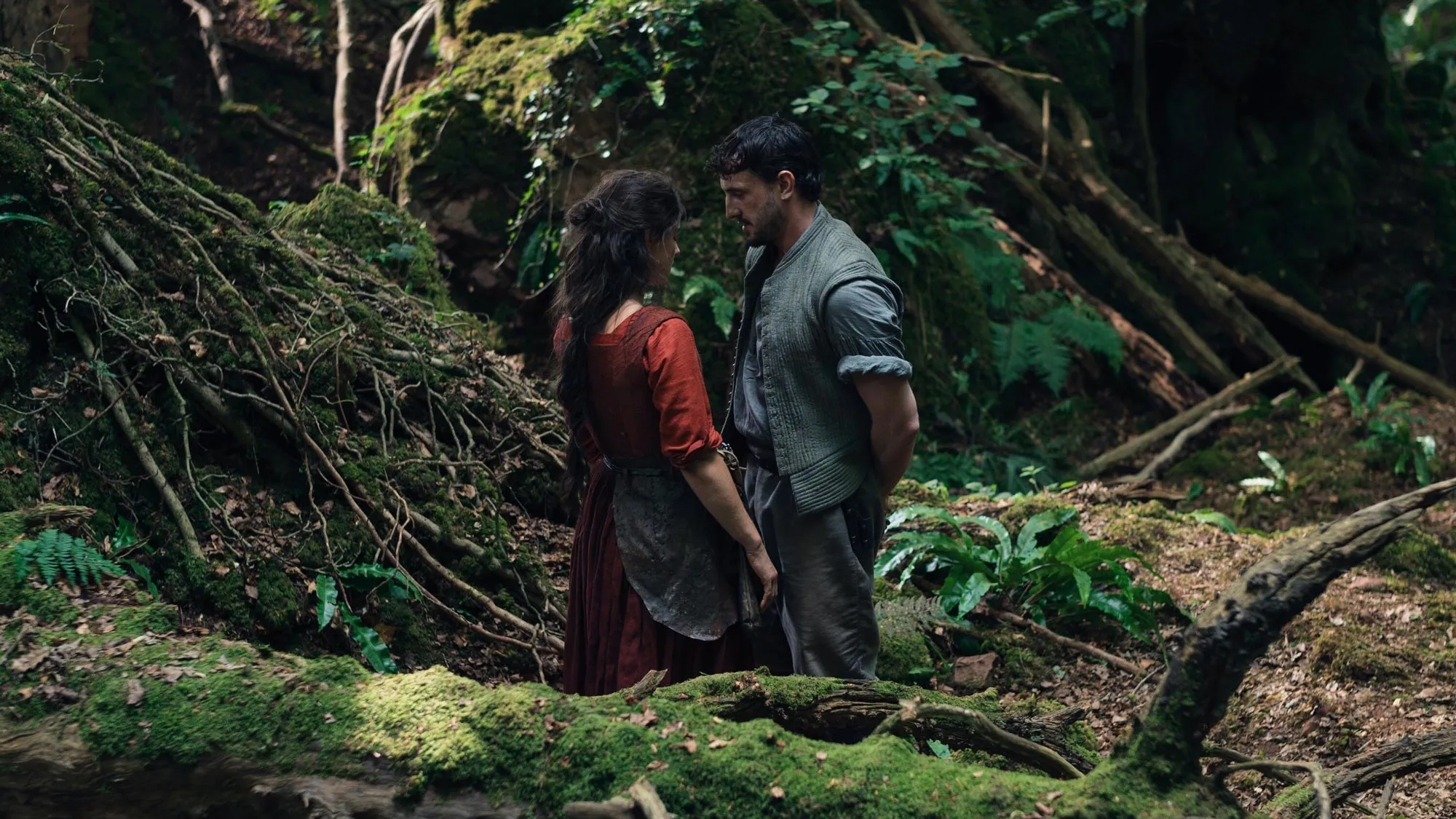
From Academy Award® winning writer/director Chloé Zhao, Hamnet tells the powerful story of love and loss that inspired the creation of Shakespeare’s timeless masterpiece, Hamlet.
Courtesy Focus Features.
From Academy Award® winning writer/director Chloé Zhao, Hamnet tells the powerful story of love and loss that inspired the creation of Shakespeare’s timeless masterpiece, Hamlet.
Courtesy Focus Features.
When infertility threatens mankind with extinction and the last child born has perished, a disillusioned bureaucrat (Clive Owen) becomes the unlikely champion in the fight for the survival of Earth's population; He must face down his own demons and protect the planet's last remaining hope from danger.
Writer-filmmaker Thuto Durkac-Somo, choreographer-scholar Jonathan González, and cultural practice architect Mario Gooden are in residence to develop a performance and video work exploring the spatial practices of Black liberation on bodily, architectural, and cosmological scales. During their time at EMPAC, the artists will shoot new video material and bring their collaboration into three-dimensional form. Their developing project is shared publicly in April 2026.
Main Image: Polarized emission of the ring in M87, Photo: © EHT Collaboration.
Set within a crumbling cinema, Li Yi-Fan’s What is Your Favorite Primitive explores the awkward, playful spirit at the heart of virtual production: its aspirations of transcending time and space by replicating reality on-screen. As characters become tools of the software, and software itself takes on the role of a character, the film imagines the technology of animation as a stage that scripts its own dramas and epic conflicts.
Told through a semi-autobiographical lens and created using a video game engine, What is Your Favorite Primitive offers both parody and serious reflection—a meditation on the pleasures and perils of building a personal persona within screenspace.
Main Image: Film still, Li Yi-Fan, What is Your Favorite Primitive, 2023. Courtesy the artist.
Three public tours with curator Katherine Adams offer insights into how EMPAC’s unique building is used to stage Suneil Sanzgiri’s new commission An Impossible Address.
A reception will be offered on Saturday November 1, beginning at 2:30PM.
Main Image: Suneil Sanzgiri, An Impossible Address, film still, 2025. Courtesy the artist.
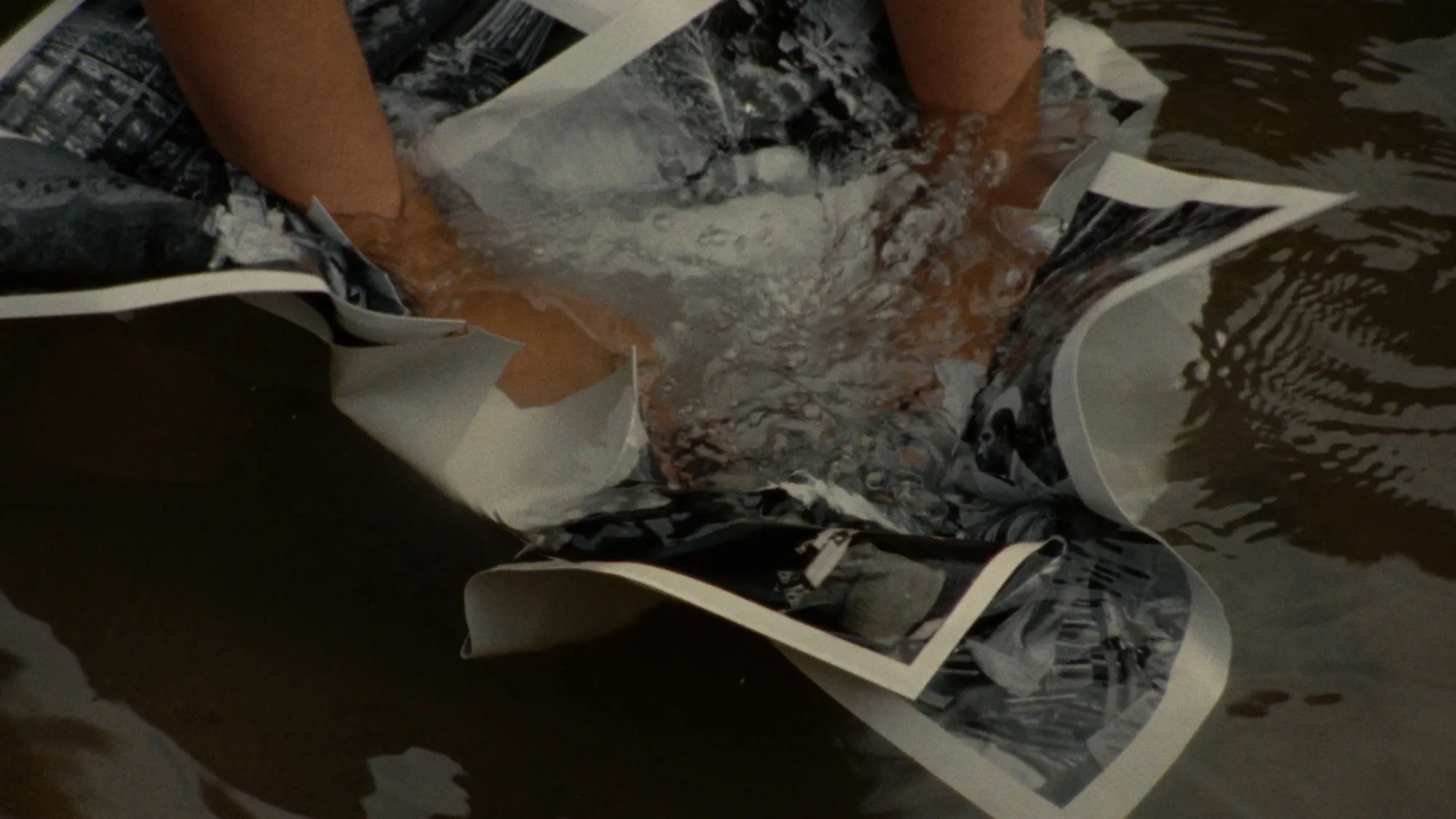
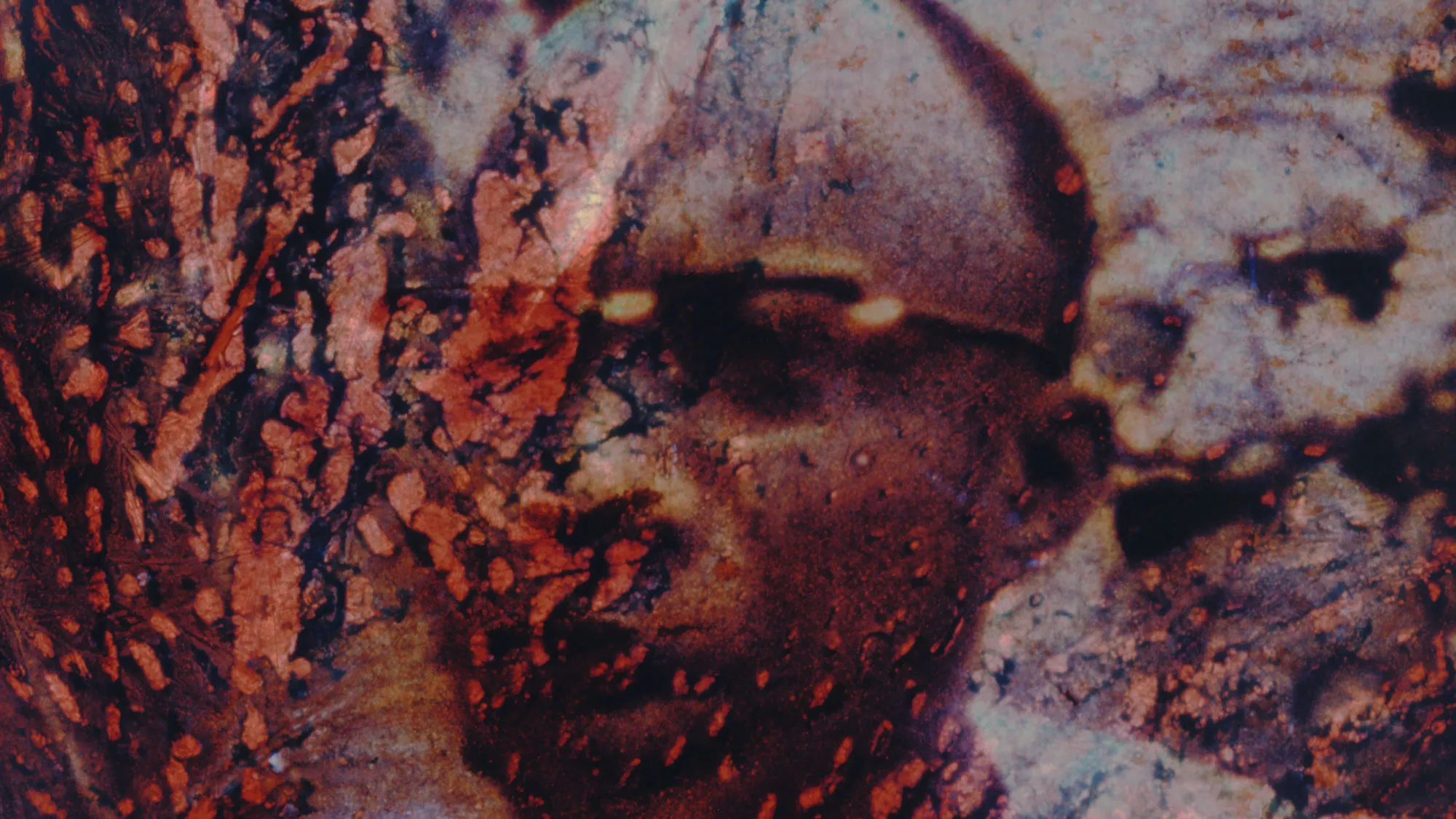
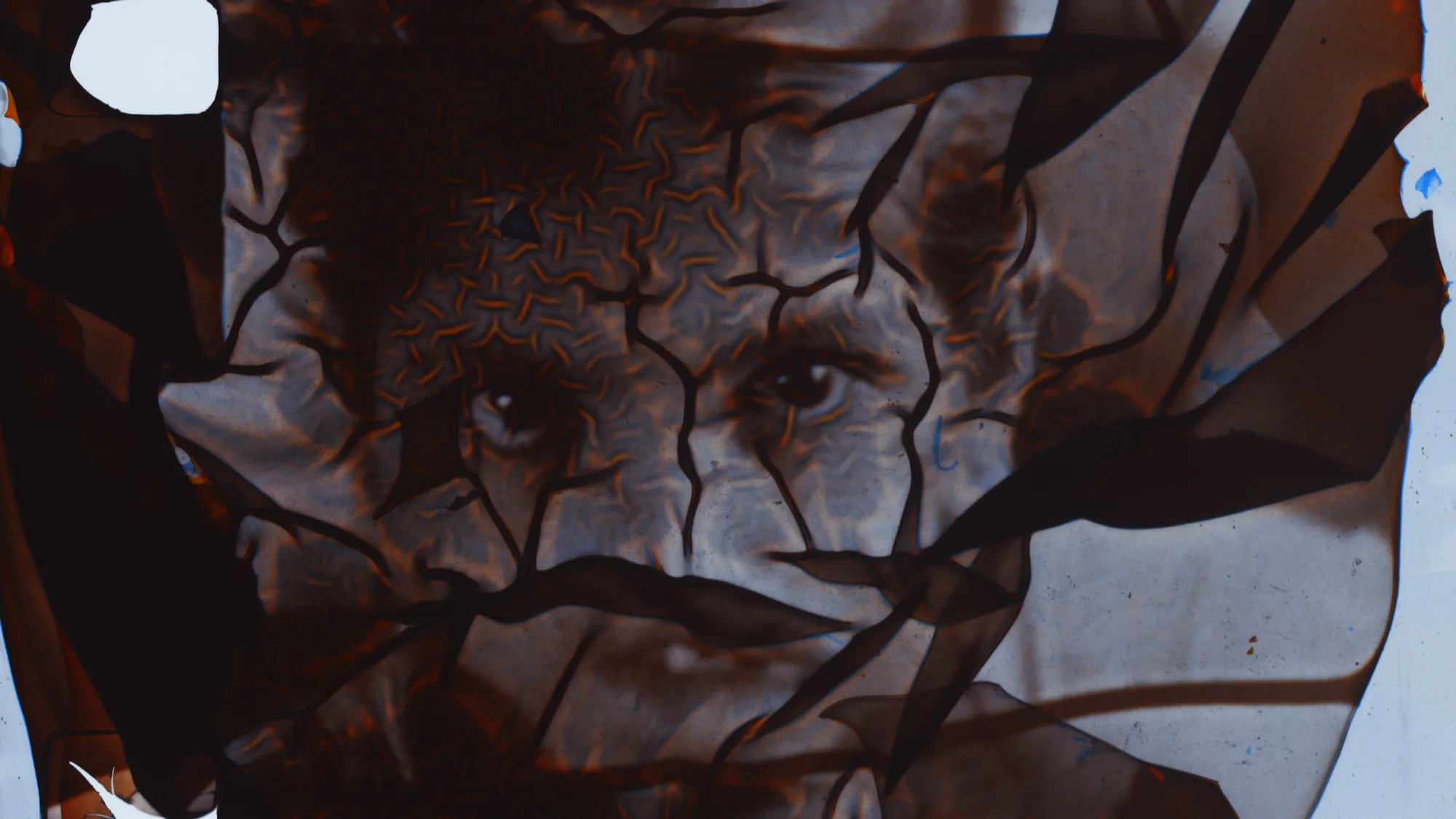
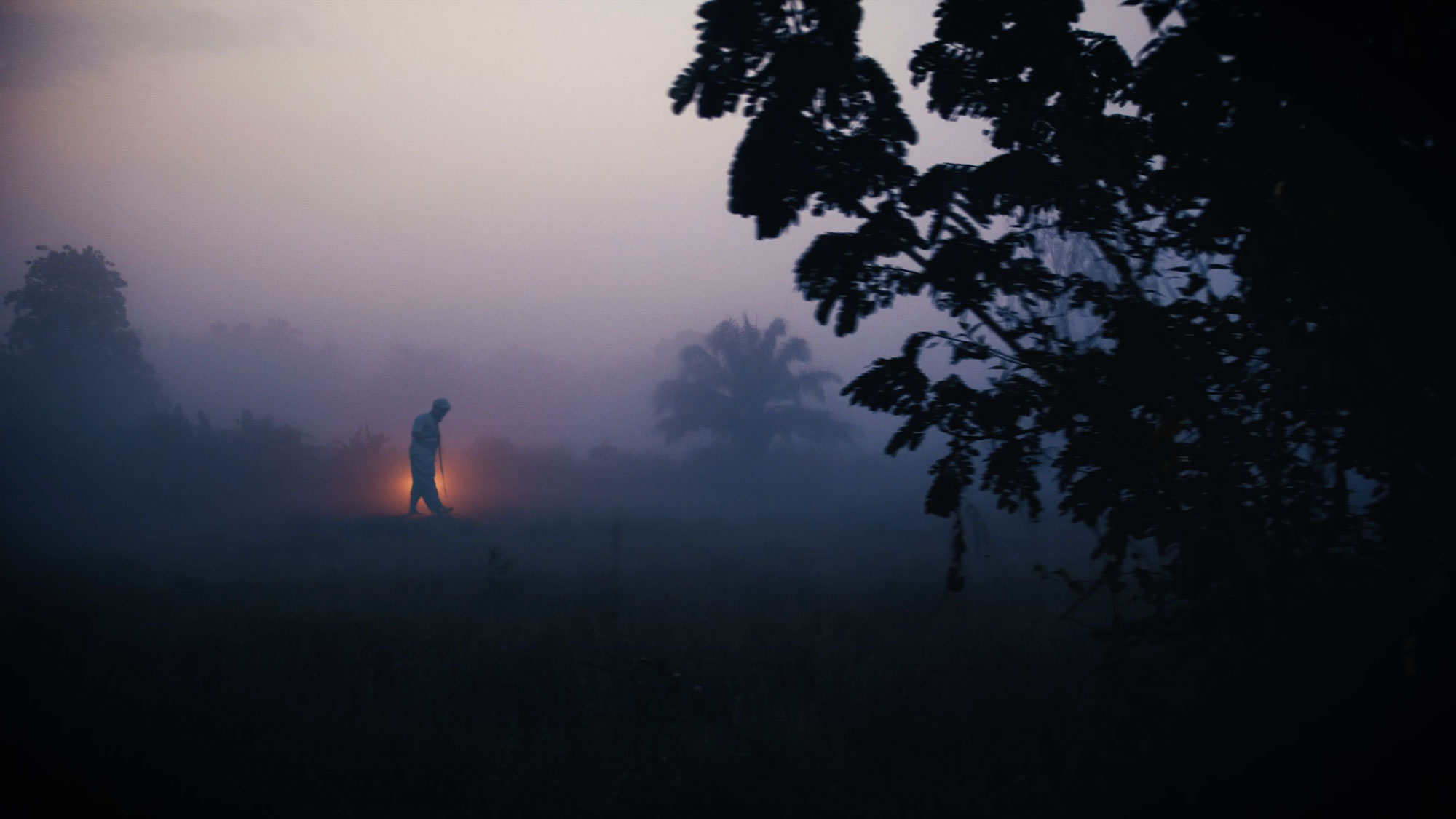
EMPAC is pleased to present the American premiere of artist and filmmaker Suneil Sanzgiri’s new film An Impossible Address. Sanzgiri’s new work traces the fraught legacy of Sita Valles—a revolutionary of Goan origin who fought in the liberation struggle in Angola, where she was later disappeared by the state. Grappling visually, sonically, and narratively with the difficulty of querying Sita’s elusive history from the standpoint of a silent present, Sanzgiri’s film confronts the contradictions of solidarity and afterlives of collective trauma beyond the grave. How do we bear witness to revolution interrupted? An Impossible Address is styled as a letter that cannot be delivered–seizing on sounds and images that erupt from historical memory.
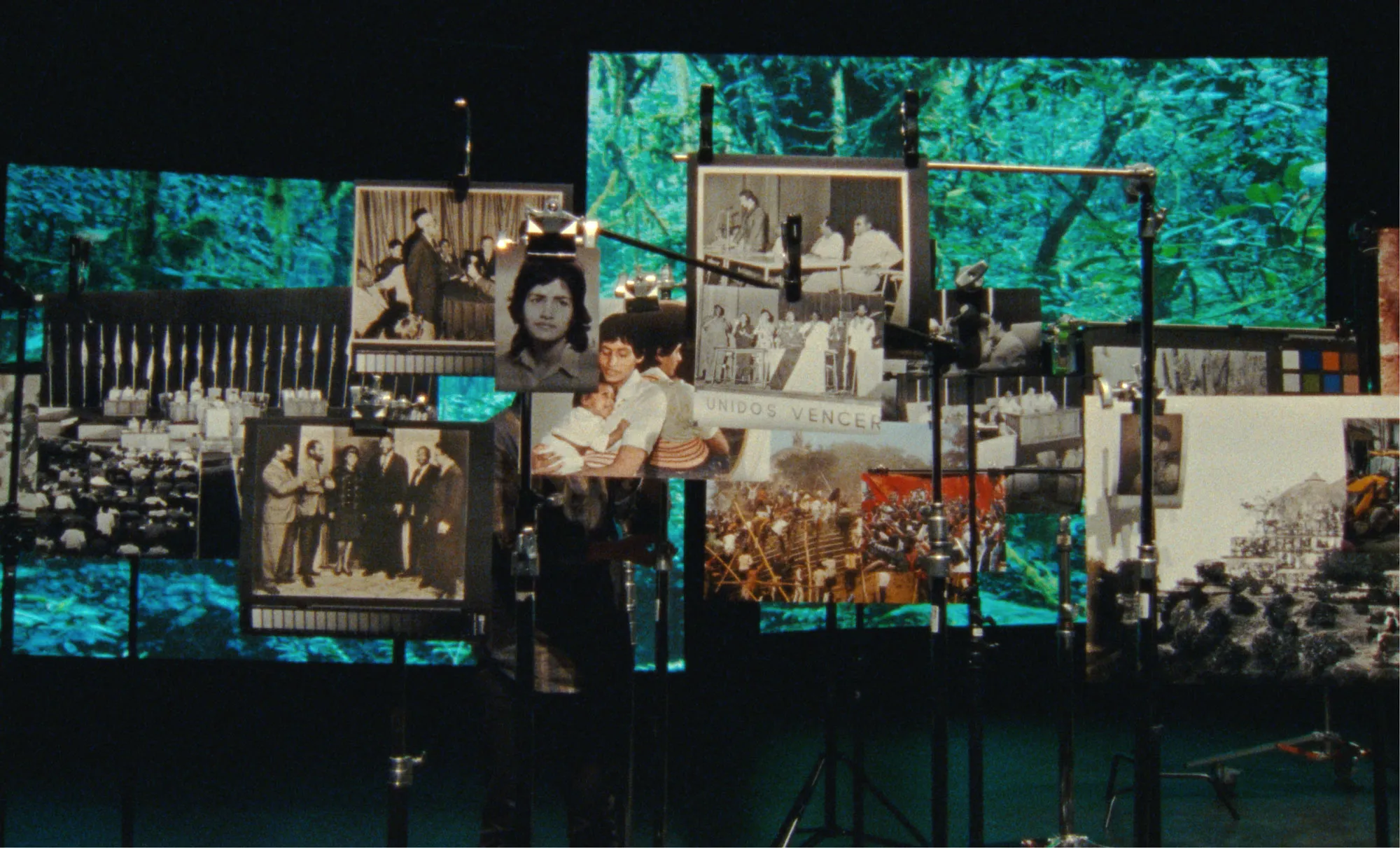
An Impossible Address builds on Sanzgiri’s extensive engagement with Afro-Asianism, the 1955 Bandung Conference, and cross-continental networks of resistance that bridged India and Angola in struggles for freedom from Portuguese rule. The exhibition of the project engages visually with the idea of the political stage. Alongside the central film, it breaks down the architecture of official performance into informal poetics, through selected image prints and textiles that nod to the nine distinct acts of Sanzgiri’s film. Working against archives’ gaps and lapses, An Impossible Address explores the potency of collective inheritance.
Main Image: Suneil Sanzgiri, An Impossible Address, film still, 2025. Courtesy the artist.
Writer and film curator Yasmina Price offers a screening program of short films by various contemporary artists, parallel to the exhibition of artist Suneil Sanzgiri’s new commission An Impossible Address. Price, whose reflections on post-colonial solidarity appear in Sanzgiri’s film, was a close interlocutor of the artist during the work’s production. Drawing on her robust engagement with politically-engaged African cinema, Price will also offer an introduction at the top of the program.
Paired with short films by contemporary artists, a selection from Franco-Guadeloupean filmmaker Sarah Maldoror’s Carnival Trilogy will open this screening of films.
Main Image: Suneil Sanzgiri, An Impossible Address, film still, 2025. Courtesy the artist.
This Be the Media! workshop, invites artists and audiences into the world of artist Suneil Sanzgiri’s new film An Impossible Address alongside the work of Albany arts organization YouthFX. The program opens with a workshop session on film practice. With a focus on the challenges facing emerging filmmakers, Suchak and Sanzgiri reflect on the practical work of filmmaking and consider its impact on the histories and communities it engages.
The program comprises the workshop session, a dinner for workshop participants, and is followed by a screening of works from Sanzgiri’s series Golden Jubilee.
Main Image: Suneil Sanzgiri, An Impossible Address, film still, 2025. Courtesy of the artist.
Main Image: Suneil Sanzgiri, Golden Jubilee, 2021, 16mm and 4k video. Courtesy the artist.
A spectacle of sound and light, Greek composer Iannis Xenakis’s epic work Persepolis was originally commissioned by the Shiraz Festival in Iran, taking place in the ruins of the Temple of Darius in the Iranian desert on August 26, 1971. The performance—lasting over an hour starting at sunset—included two lasers, military searchlights, huge bonfires, 150 torch-bearing children, and six listening stations outfitted with eight-channel speakers, one for each track of Xenakis’ electroacoustic score.
Persepolis was the second of Xenakis’s Polytopes, large-scale works—from the Greek language poly meaning many and topos meaning place—monumental works that sought to fuse sound, light, colors, and architecture into a single, immersive site of sensory experience. For Xenakis, the topos was not just spatial but sensorial: an encounter with the totality of an intermedial artwork.
Reimagined for EMPAC Studio 1 by sound artist and composer Micah Silver, Persepolis becomes a magmatic mass of noise, snaking its way across a multitude of discrete audio channels. In many ways, Xenakis’s work is less a concert and closer to an extreme weather event: light, color, raw sound, and stagecraft combine to create a dramaturgy of turbulence, compression, and blistering immediacy, then release. Over the course of an hour, the piece overwhelms—and ultimately expands—the senses, rewarding those who listen and watch with openness.
Preceding the presentation of Persepolis on Saturday, August 30, a rare screening of director Pierre Andrégui’s documentary Xenakis Portrait 1971–72 will shed light on the piece and the strange and fascinating context in which the Polytope Persepolis was born.
Main Image: Film still: Xenakis Portrait 1971–72 (1971), Directed by Pierre Andrégui.
P. Staff’s residency in Studio 1—Goodman asks how we record the excesses of a body. Working with a thermal camera, Lidar, and audio recording designed to capture the body’s sonic impact on a space’s acoustics, Staff generates video documentation organized on principles of scanning.
Main Image: P. Staff, In Ekstase, 2023, installation view, in: P. Staff, In Ekstase, Kunsthalle Basel, 2023, photo: Philipp Hänger / Kunsthalle Basel