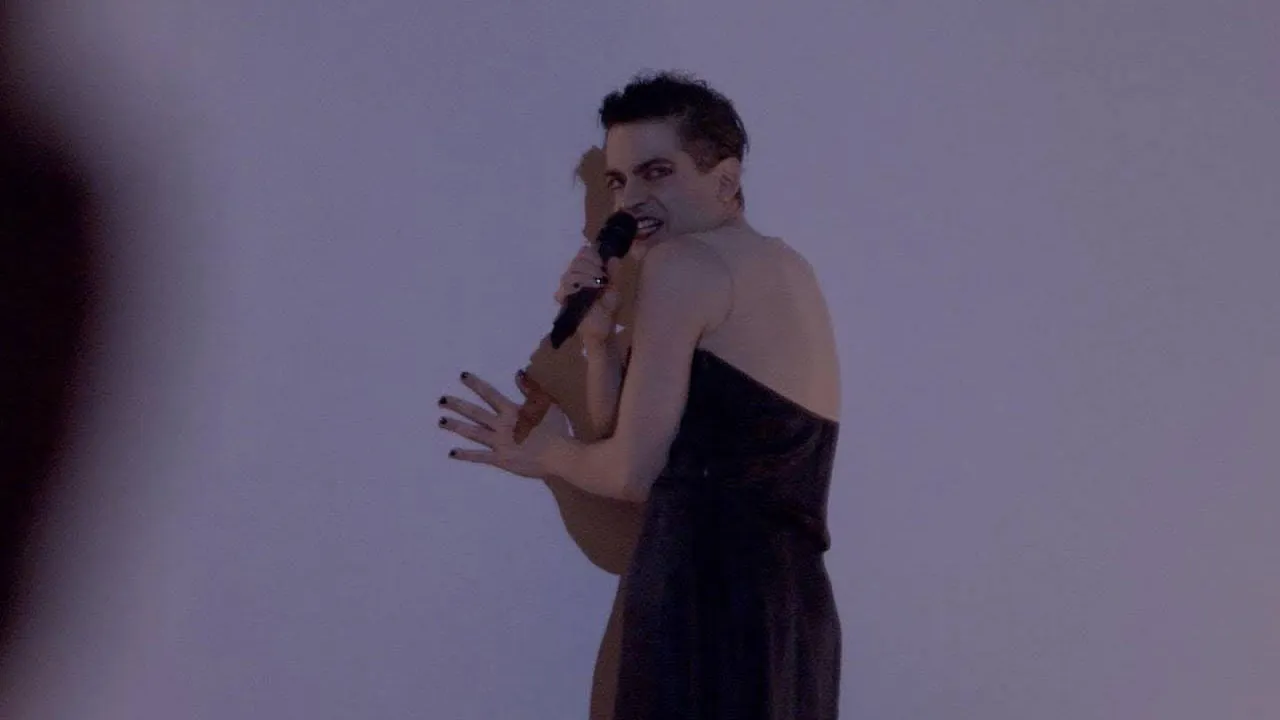
Untitled Commission

Pan Daijing

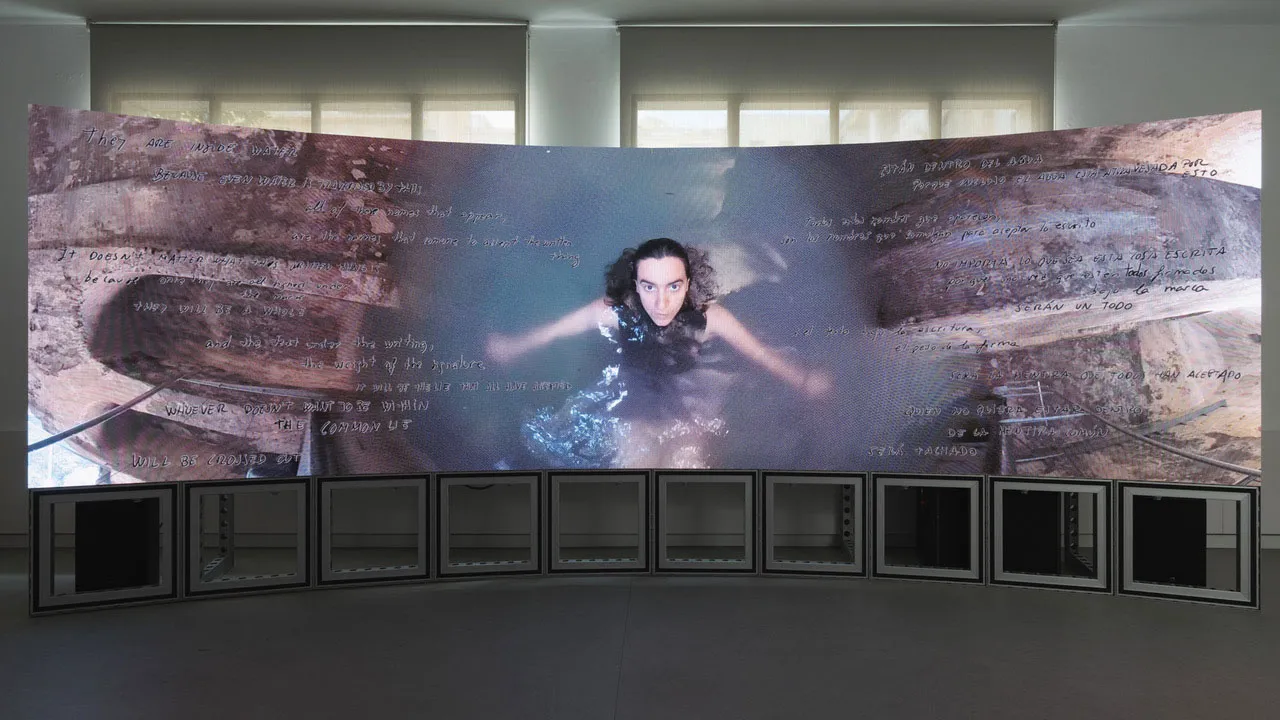
Pan Daijing conducts a research and development residency to establish work on a possible future commission with the curatorial program. Taking full advantage of the expert staff and advanced technical venues at the center, Daijing explores the implications of music, dance, and video intersections following her monograph exhibition at Haus der Kunst in Munich, Germany.

Image
an inverted image of two people sitting on stage

Trilogy for Two Pianos, Tape, and Live Electronics

Brigitta Muntendorf

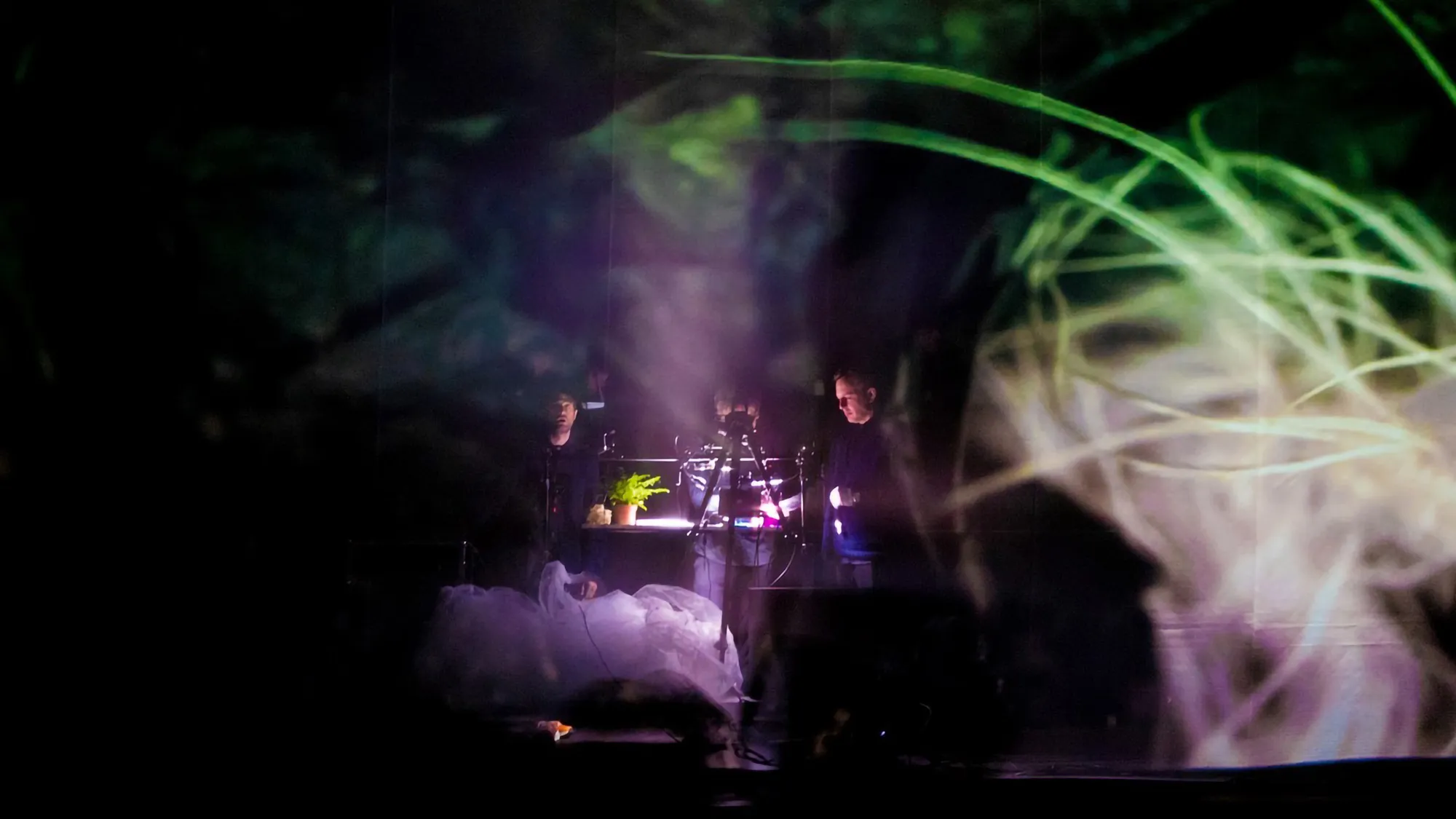
Pianists Ning Yu and Corey Smythe, along with technologist and performer Levy Lorenzo, develop and prepare Brigitta Muntendorf’s two piano work Trilogy for two pianos, tape, and live electronics for its premiere at the 2024 edition of TIME:SPANS Festival in New York City.

Brigitta Muntendorf makes the concert introduction at the festival with curator Amadeus Julian Regucera.

Main Image: Brigitta Muntendorf, Trilogy, concert video still, 2018. Pictured (l-r): Andreas Grau, Götz Schumacher. Courtesy the artist. 

Image
a person sitting at a projection table projecting a pixelated image on a screen 10' in front of them.

Ontopoeisis

Rama Gottfried & Yarn/Wire

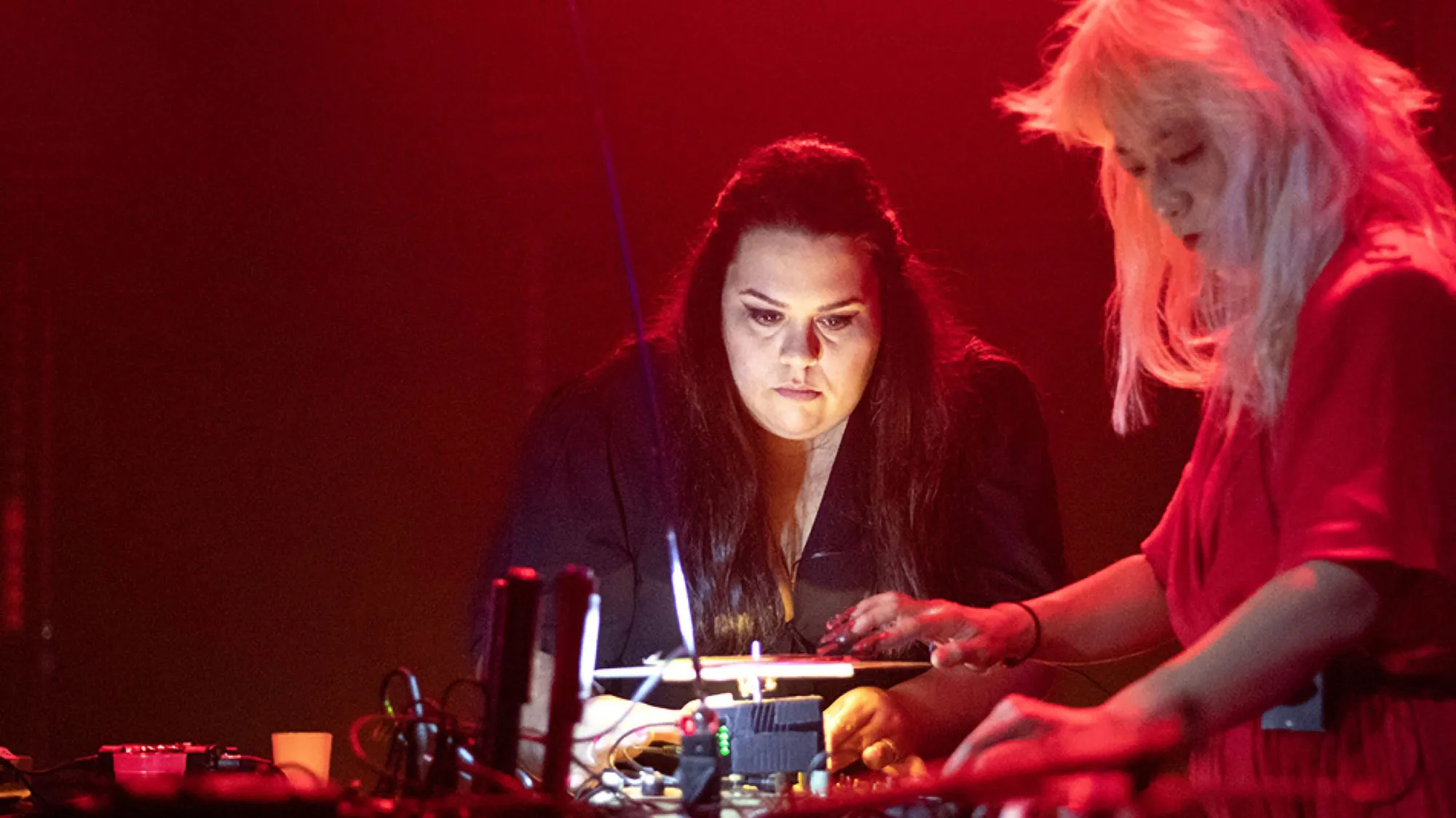
Composer Rama Gottfried is in residence with contemporary music ensemble Yarn/Wire to develop the experimental music theater piece Ontopoeisis (formerly Schismogenesis).

Main Image: Rama Gottfried, Scenes from the Plastisphere, concert video still, 2020. Courtesy the Artist. 

Image
an illustration of a person with their hands raised and several people sitting at a bar

Pentasomnia

Julia Philips

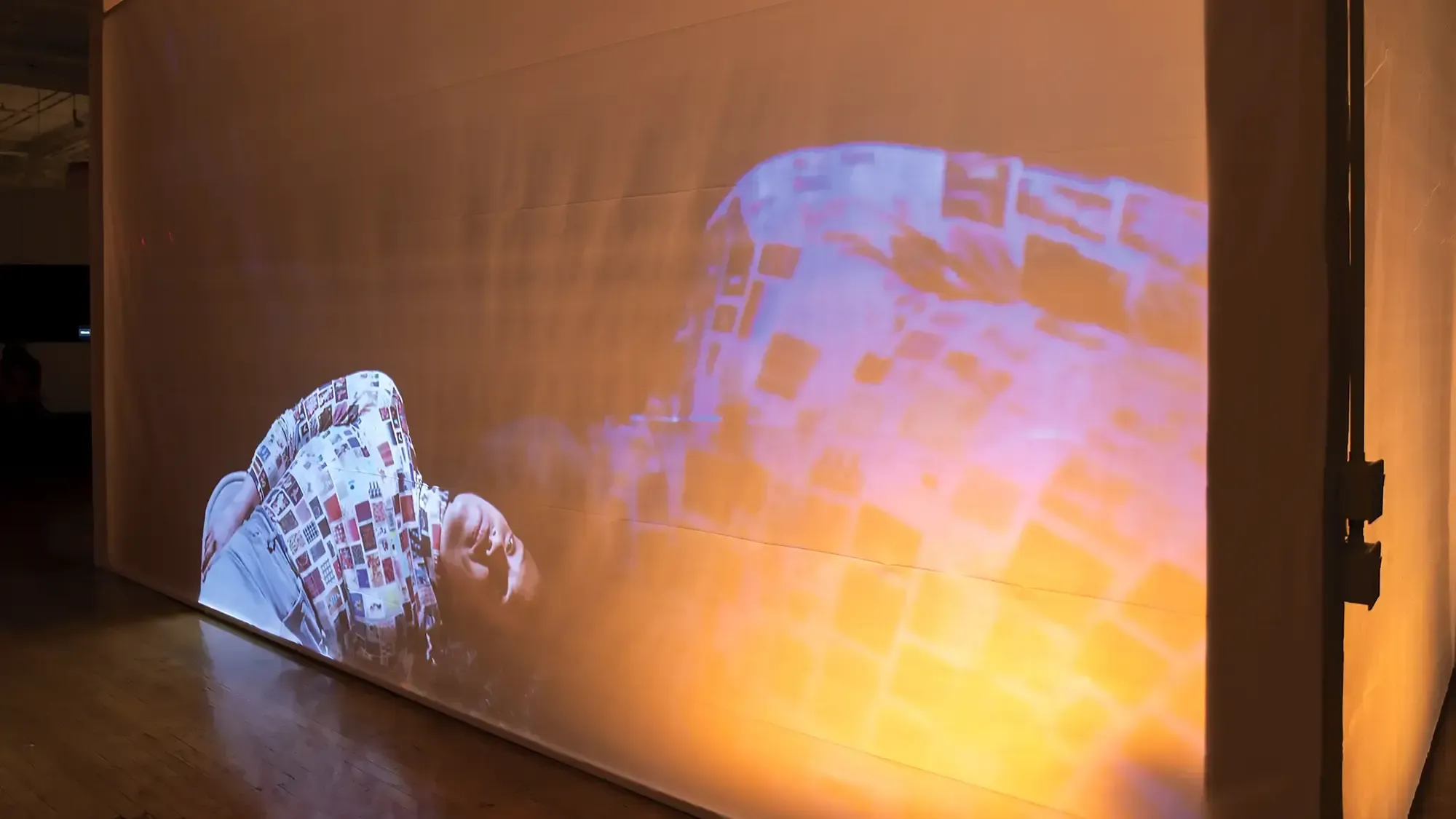
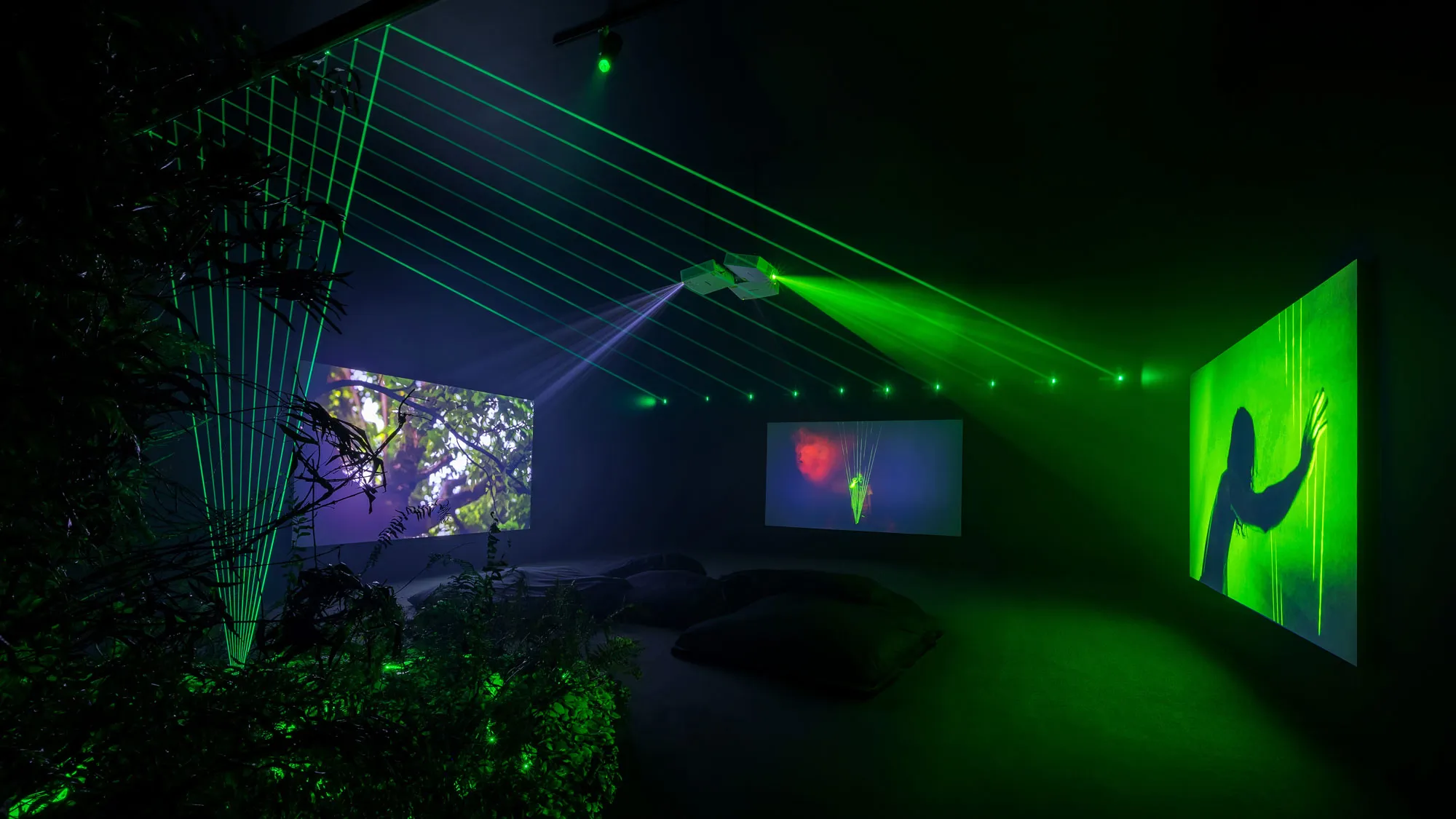
Artist Julia Phillips is in residence to film and test scenes for Pentasomnia, a work intended to become a five-channel video installation. At EMPAC with her collaborators, she develops key movement scenes with a choreographer, uses rear projection to test scenarios for further filming, and undertakes some outdoor shooting.

Main Image: Courtesy the artist.

2024 Fall

2024 fall

Main Image: Marina Rosenfeld, μ (mu), film still, 2024. Courtesy the artist.

Image
charles curtis

Within | Without Limit

Charles Curtis

Within | Without Limit is a series of two solo performances from internationally acclaimed musician Charles Curtis. Tied to both uptown and downtown New York City scenes in the 1980s and noted for his collaborations with composers La Monte Young, Alvin Lucier, and Éliane Radigue, as well as with poetry-rock pioneers King Missile, among others, Curtis’s repertoire spans classical, avant-garde, minimal, noise, and popular genres.

At EMPAC, Curtis performs a listening odyssey of works by Radigue, Carolyn Chen, French medieval composer Guillaume de Machaut, and his own work. The two programs feature delicate yet visceral works that challenge—and reward—the listener, opening up new musical landscapes both outside and within the work.

Main Image: Charles Curtis. Courtesy the artist. Photo: Bradley Buehring.

Image
KITE

Wógligleya/Imákȟaheye (Geometry/Method): Workshop for Dream Scores

Kite

Kite’s artistic practice draws from Indigenous Lakȟóta ontologies to consider the possibility of kindred collaboration with technologies such as artificial intelligence. In this engagement, the artist centers the concept of the “visual score,” a form of experimental music notation that contains symbolic forms for performers to read and interpret.

Open Rehearsal—December 5

Performance artist, visual artist, and composer Kite engages with Rensselaer student musicians in a workshop for dream scores. Audience members are invited to observe an open rehearsal as Kite leads the student ensemble in her artistic practice, discussing the musical potentials of experimental notations/scores when interpreted and embodied through sound. Attendees will also observe as Kite leads students through building scores using their own visual language, drawing on personal references and dreams.

Performance—December 6

Kite’s performances often use custom-made interfaces that bring the body into contact with the machine—such as a Machine Learning hair-braid interface—to address ethical ways of being in relation with the non-human. Kite derived this performance’s graphic notation as a score from the geometric shapes and symbols of traditional Lakȟóta quillwork and beadwork, as well as shapes and symbols that appear in dreams. The performance is followed by a discussion and Q&A session with the audience.

Main Image: Kite, Listener, 2018. Performance in Linz, Austria. Photo: vog.photo.

Image
Raven Chacon

New and Recent Work

Raven Chacon

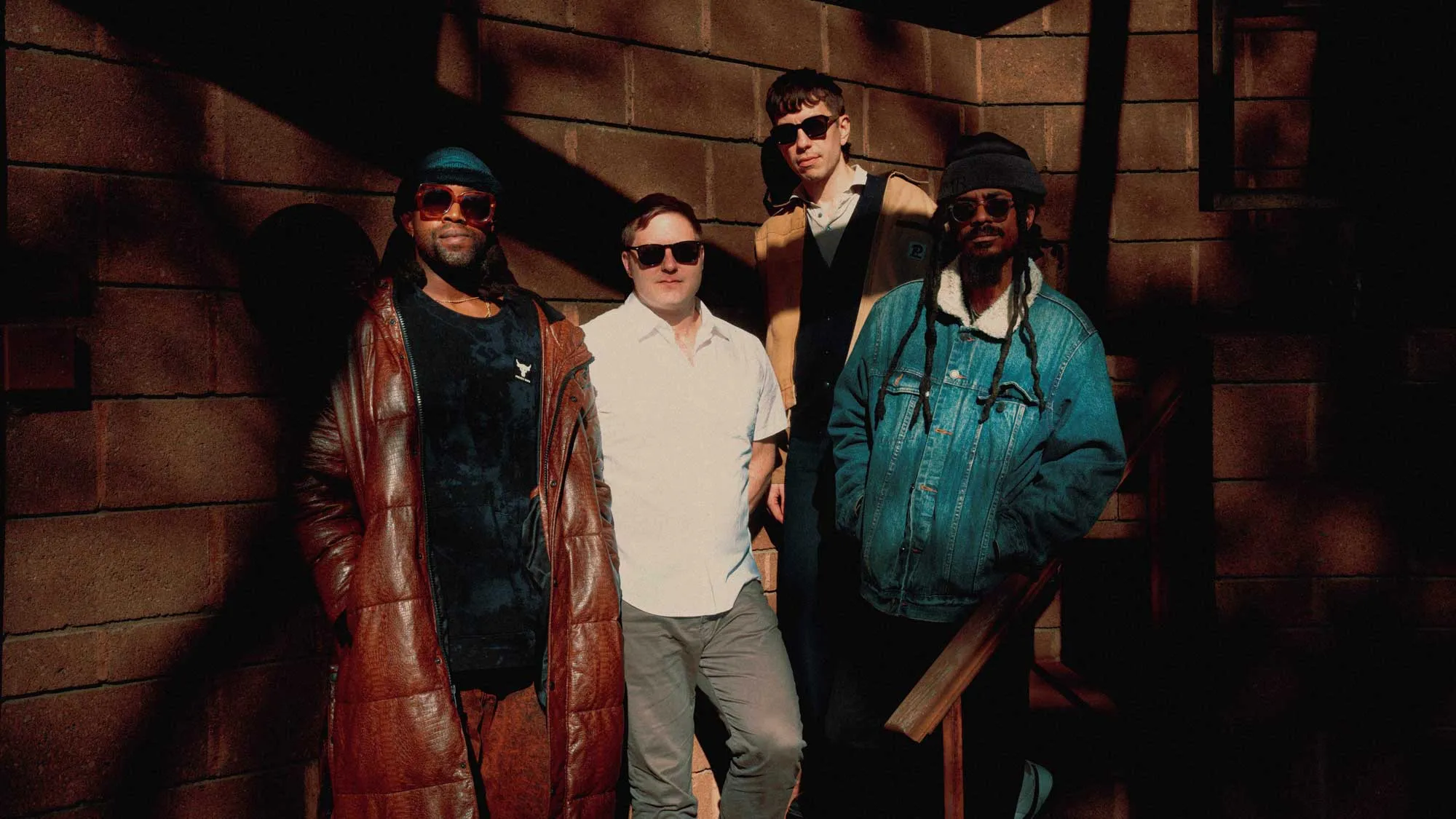
Award-winning composer and visual artist Raven Chacon gives a talk on his recent work, which explores the sonic, visual, and thematic elements of his experimental practice.

Chacon’s work threads its way through sound, video, scores, sculpture, and performance to engage with the land and its inhabitants, and to address topics of Indigenous sovereignty and environmental justice. His compositions include orchestral instruments and instrumentalize found objects, as in his American Ledger No. 1 (2018), a large graphic score displayed as a flag which traces the history of settler colonialism in the United States. His piece Voiceless Mass (2021), for which Chacon won a Pulitzer Prize, is a work for organ and ensemble which reflects upon the relationship between the Christian church and Indigenous populations. A mass without voices, the composition gives musical form to the silencing of Indigenous expression and language, and the impossibility of their recovery.

Chacon also introduces a new EMPAC-commissioned project with San Francisco-based experimental music duo The Living Earth Show, which is being developed over the next year and includes artists and musicians based in New York’s Hudson Valley and Capital Region.

This residency continues and expands Chacon’s musical collaboration with The Living Earth Show as a follow-up to Tremble Staves, an outdoor collaborative performance with professional and student performers, which premiered at the Sutro Baths in San Francisco in 2019. Exploring issues around water usage, access, and rights, Tremble Staves was developed in collaboration with the Golden Gate National Parks Conservancy and the Art in the Parks Program in San Francisco.

All are invited to stay for a reception, following the talk.

Main Image: Raven Chacon presented his work in EMPAC's Studio 2 in November, 2024. Courtesy the artist. Photo: Michael Valiquette/EMPAC.

Media

Raven Chacon's 2022 Pulitzer prize-winning composition Voiceless Mass premiered on November 21st, 2021 at The Cathedral of St. John the Evangelist in Milwaukee.


Image
a group of black persons in bondage gear standing in a room lit with grass green light

Investigating Trigger Mechanisms, Machine Learning, and Bodily Gesture

Shawné Michaelain Holloway

As part of the Ephemeral Organ series, new media artist SHAWNÉ MICHAELAIN HOLLOWAY culminates her EMPAC residency with an artist talk exploring her overall practice and demonstrating interactive cuing technology she is developing for her latest multimedia performance projects. In this event, HOLLOWAY investigates the mutual possibilities of technology and the body to track, mediate, and generate elements of a theatrical experience.

Known for her experiments with noisy, electronic sculpture and her unique approach to expanded cinema, HOLLOWAY shapes the grammars of computer programming and sadomasochism into tools for exposing structures and narratives of power. Her two current projects in development reimagine familiar narratives through a Black queer lens, and an aesthetic approach driven by the digital age. [WALLED GARDENS ] _or_ return(ing) "a love in disguise as forever.” is based on the “Beauty and the Beast” fairy tale; and THEY LAID DOWN THEIR HAMMERS AND CRIED is based on the John Henry folk tale.

Both projects use technologies that allow the performers’ gestures to generate and interface with lights, sound synthesis, sculptural elements, and video. These responsive, interactive designs are inspired in part by Robert Rauschenberg’s piece, Open Score (1966), which stages a game of tennis that uses reactive engineering to choreograph light and sound through physical motion. HOLLOWAY presents a similar live interaction between technology, theatrical staging, and bodily action. Here, she applies machine learning algorithms as decision-making mechanisms to produce the landscape of each piece in the moment

Main Image: SHAWNÉ MICHAELAIN HOLLOWAY, DEWCLAW, Institute for Contemporary Arts at Virginia Commonwealth University, 2022. Courtesy the artist. Photo: Keshia Eugene.

Image
tara aisha willis on the stage of the EMPAC theater

Ephemeral Organs: Dance Curation, Research, and Performance

Tara Aisha Willis

As Curator-in-Residence, Theater and Dance, Tara Aisha Willis provides context for the Ephemeral Organ series and discusses her forthcoming book projects and past curatorial work. Ephemeral Organ culminates in April 2025 and brings together residencies, performances, and talks by several artists whose work explores choreography and the body in motion as a technology for transmitting memory, history, and Black lived experience.

Willis’s body of research explores the lineages and practices of Black experimentation and improvisation in dance through contemporary performances. To do so, she uses dance historical context, frameworks from Black studies and performance theory, and explorations embedded in her creative practices as curator and dancer. In part, her work grapples with the archival capacities of the dancing body and with how movement emerges within the process of generating archival research.

Her scholarly book in development, Indescribable Moves: Improvised Experiments in Dancing Blackness, points to the intricacy and changeability of both dance and race in performances by choreographers Bebe Miller, Ishmael Houston-Jones, and Ralph Lemon, as well as Will Rawls: one for which Willis served as curator and the other in which she performed. A more experimental book project in collaboration with writer Jaime Shearn Coan and artist taisha paggett challenges conventional modes of writing and archiving dance practices across paggett’s body of performance work (forthcoming from Soberscove Press).

Guided by her simultaneous practices as a writer, curator, and dancer, in this talk Willis discusses the structuring devices of her thinking across these various platforms: methods for attending to the specificities of live, movement-driven performance in programming and on the page.

The series begins with residencies and talks in November 2024 with artists SHAWNÉ MICHAELAIN HOLLOWAY, Steffani Jemison, collaborative duo Katherine Simóne Reynolds and A.J. McClenon, and series curator Tara Aisha Willis.

In April 2025, using EMPAC’s spaces simultaneously like a series of chambers, the program culminates in a weekend of events: a performance by Leslie Cuyjet, an installation and performance by Katherine Simóne Reynolds and A.J. McClenon, and artist talks by Steffani Jemison and Justine A. Chambers on their latest works which register archival and historical traces through gesture.
 

Main Image: Curator Tara Aisha Willis on stage in the theater during her talk Ephemeral Organs: Dance Curation, Research, and Performance, November, 2024. Photo: EMPAC/Michael Valiquette. 

Media
Image
an abstract pastup image

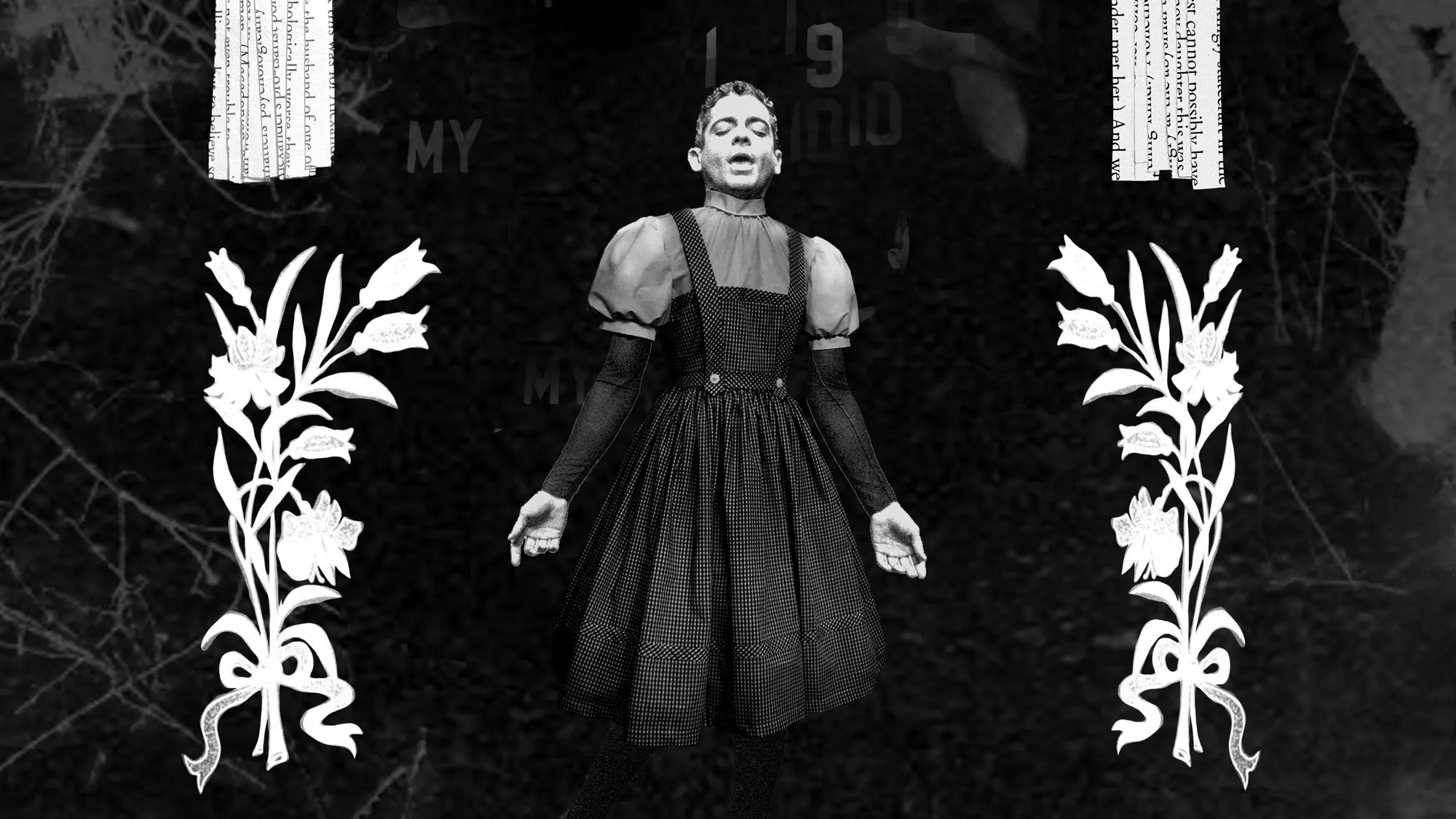
A.J. McClenon, Inspirited by For J.B. and 3B49, collages with video stills from recording of Blondell Cummings in For J.B. and 3B49 at The Kitchen, November 30–December 3, 1989, 2022. Courtesy the artist.

Image
an abstract image

A.J. McClenon, Inspirited by For J.B. and 3B49, collages with video stills from recording of Blondell Cummings in For J.B. and 3B49 at The Kitchen, November 30–December 3, 1989, 2022. Courtesy the artist.