Image
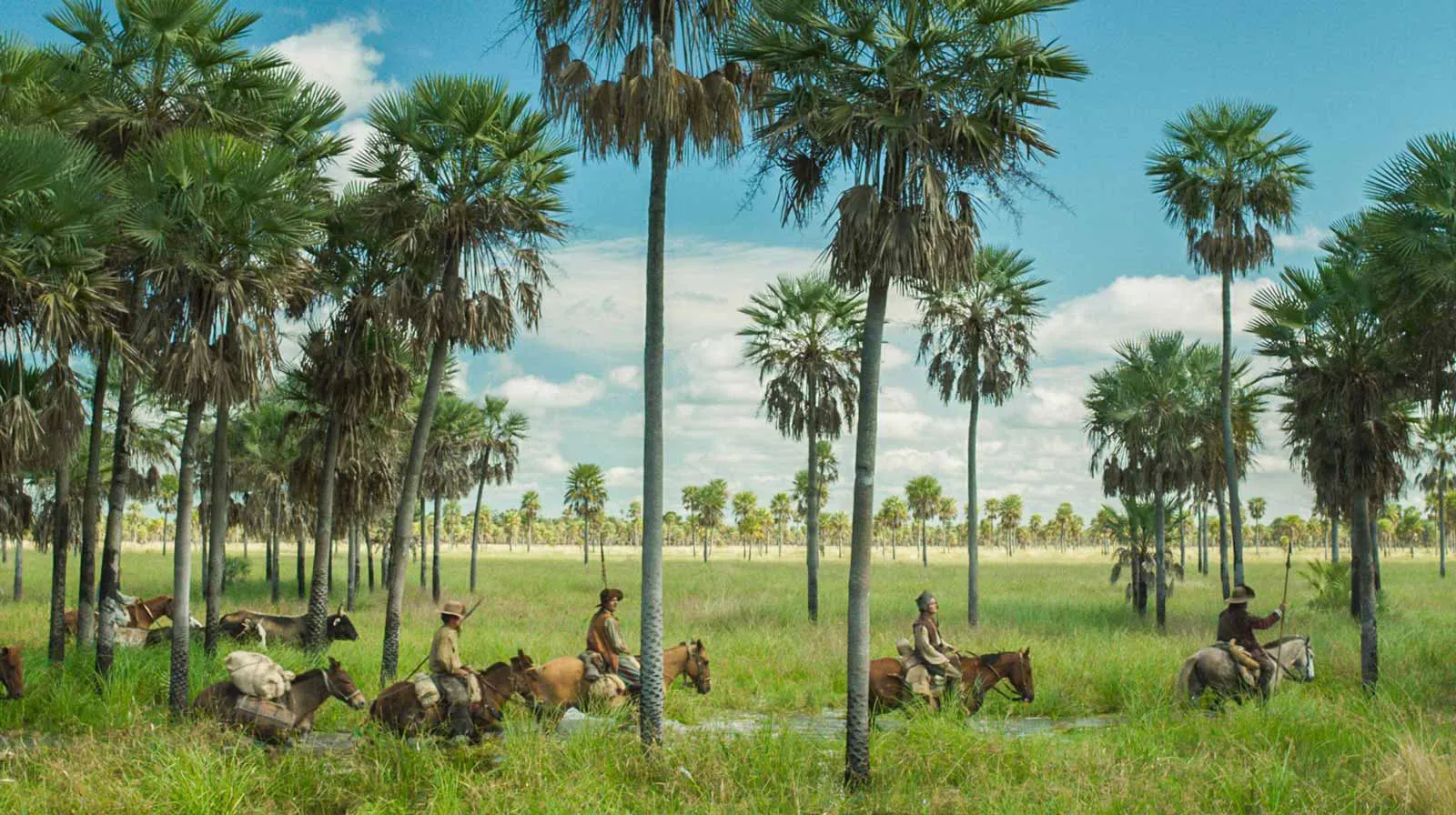
a scene of south american grasslands with four riders on horses among palm trees.

Short Shadows: Leaving Traces

Colectivo Los Ingrávidos, Lucrecia Martel, Clarissa Tossin

The second Short Shadows program brings together three moving image works that employ the surface of architecture, celluloid, and the body to make visible material traces of multiple temporalities erased by colonization and misogyny. 

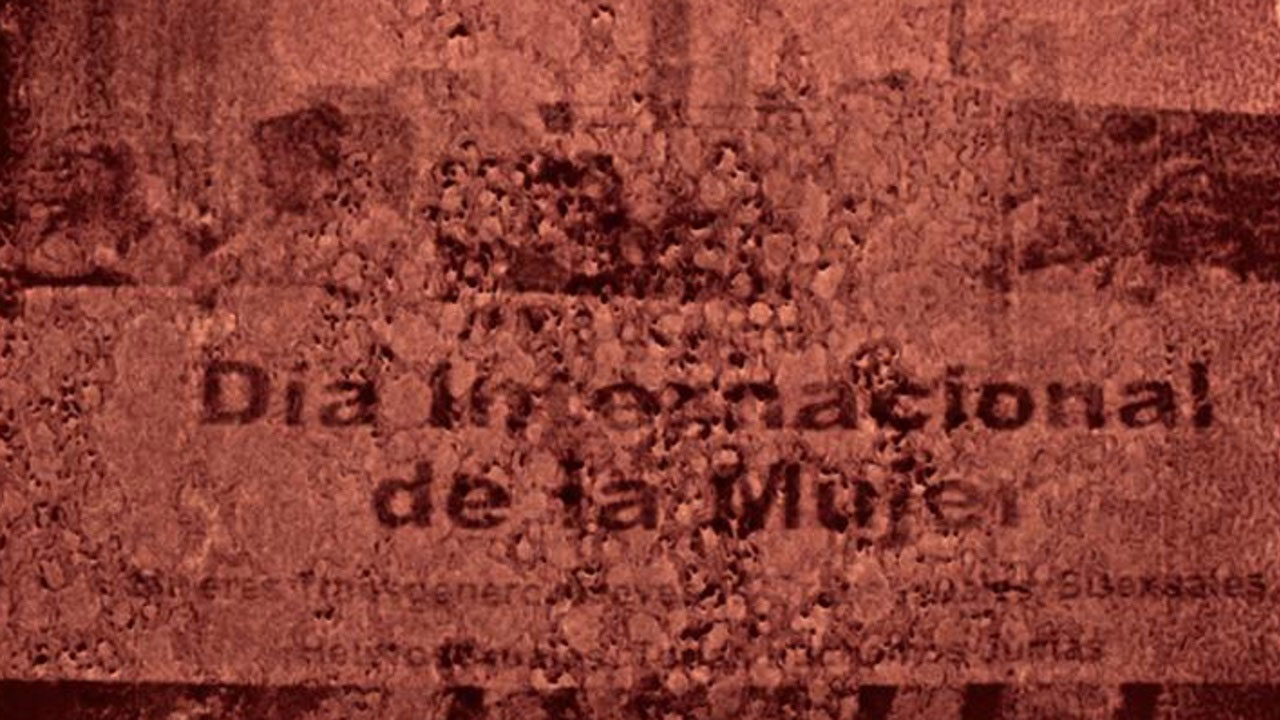
María Rivera recites her poem Oscuro over the red flickering texture of degraded 16mm film stock used by Colectivo Los Ingrávidos to capture the protest on March 8, 2017 against patriarchy and misogyny in Mexico City. Sangre Seca (Dried Blood), is exemplary of the collective’s material approach to filmmaking. By exposing political struggle onto the surface of the celluloid that, while mechanically reproduced, degrades over time, the artists mark the repetition of violence and protest across multiple timescales: Oscuro was written in 2012 in response to atrocities against women in Salvador de Atenco in 2006, the March 8th protest takes place every year, and we watch the film together in the present moment. 

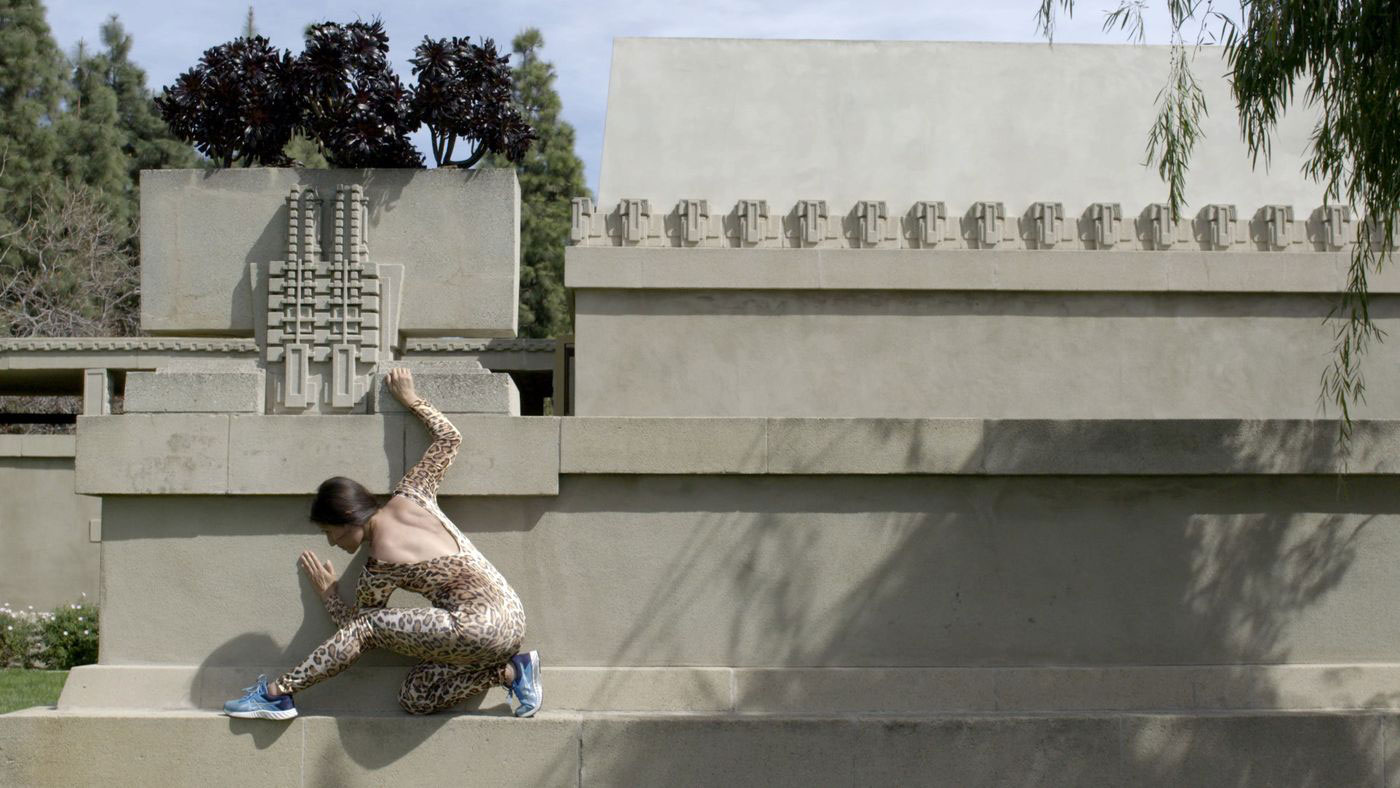
Clarissa Tossin’s Ch’u Mayaa meanwhile reveals the pervasive Mayan influence on iconic proto-Modernist American architect Frank Lloyd Wright’s Hollyhock House. Negating Walter Benjamin’s claim that Modernist architects, “with their glass and steel… created rooms in which it is hard to leave traces,” choreographer and dancer Crystal Sepúlveda moves in and out of the shadows cast by the pastiche of indigenous motifs appropriated by Wright. Choreographically based on figures ubiquitous in ancient Mayan pottery and murals, Tossin at times superimposes multiple versions of the dancer across the frame, one of many acts of “re-signification” that restores the building into the Pre-Columbian Mesoamerican architectural lineage.

Argentinian filmmaker Lucrecia Martel’s interpretation of the 1956 novel Zama by Antonio di Benedetto imagines an 18th-century South American colonial outpost. Focused on the spiraling despair of a subject desperate to prove his power within the hierarchy of Spanish colonial governance, Martel’s camera lingers with characteristic attention to detail across the architecture and landscape that increasingly imprisons Zama in a psychedelic vision of subjugation. 

Whether anchored in real or fictional scenarios, each artwork presented in the Short Shadows series stretches beyond a singular moment or place, foregrounding the political importance of unexpected historical interconnections. Mostly produced within the last decade, the artists’ films, videos, poetry, and performances presented here shine a light on cultural and historical events that may otherwise remain in shadow. 

Program

  • Sangre Seca (2018)
  • Colectivo Los Ingrávidos
  • Ch’u Mayaa (2017)
  • Clarissa Tossin
  • Zama (2018)
  • Lucrecia Martel

Main Image: Lucrecia Martel, Zama (2018). Courtesy Strand Releasing.

Media

Trailer for Zama, by Lucrecia Martel

Image
A woman wearing a cheetah print unitard and blue athletic sneakers crouching on a concrete wall.

Clarissa Tossin Ch'u Mayaa (2017). Courtesy the artist.
Image
Burgundy text on a red wall reading Dia Intergnacional de la Mujer.

Colectivo Los Ingrávidos, Sangre Seca (2018). Courtesy the artists.
Image
A microscopic view of a spore-like network along a main tubal.

Short Shadows: A life that is only circulations

The Otolith Group, Joyce Wieland, Juliana Spahr

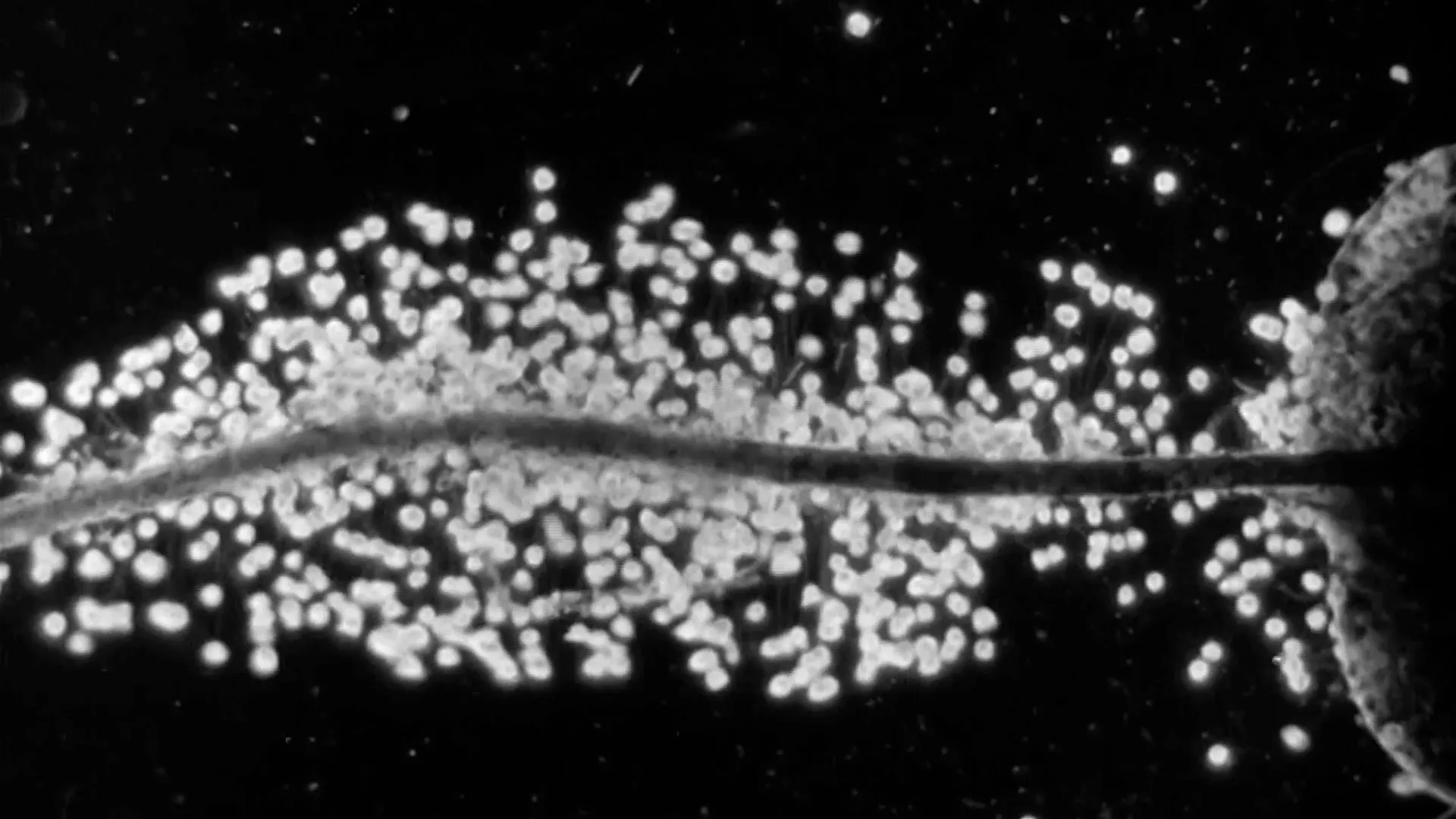
The title for this episode of the Short Shadows series, “A life that is only circulations,” is borrowed from Bay Area poet Juliana Spahr’s Transitory, Momentary, a poem about loss shot through with reflections on the power of words, songs, and stanzas, set against the backdrop of the Occupy movement and the global circulation of oil and capital. Alongside a reading by Spahr, the program features two films made almost five decades apart, Joyce Wieland’s Sailboat (1965) and The Otolith Group’s I See Infinite Distance Between Any Point and Another (2012). Both films operate at the boundary between language and image, framed by the sea as a visual, poetic, and structural metaphor for exile, longing, and global circulatory connection. 

An intimate portrait of artist and poet Etel Adnan as she reads from her book Sea and Fog in her apartment, I See Infinite Distance Between Any Point and Another explores the experiential gap between the act of reading and that of being read to. The camera intimately captures Adnan, closely framed and at oblique angles, allowing space for the poetry and poet to comingle. In comparison, Wieland’s lens focuses on a distant boat. The word “Sailboat” fills the sky, naming the film’s dialogic structure in a Godardian intersection of image and language. Like I See Infinite Distance, the film is at once intimate and distanced, technical and poetic, intertwining the lived experience at the moment of capture with a universal nostalgia for what has passed across the water. 

Theorist Svetlana Boym has succinctly described such nostalgia visible in cinema as “a double exposure or superimposition of two images” that can form a durational map of geographical displacement, an ability to “revisit time like space.” Both films expand spatial displacements through words and images (each artist has experienced geographical dislocation across oceans at different moments of their lives). Thus, a sense of dislocated simultaneity is present in the structure of the films, each deliberately juxtaposing ways of communicating—image versus language or listening versus reading—to produce alternate time-scales that act together in a single image.  

Whether anchored in real or fictional scenarios, each artwork presented in the Short Shadows series stretches beyond a singular moment or place to foreground the political importance of unexpected historical interconnections. Mostly produced within the last decade, the artists’ films, videos, poetry, and performances presented here shine a light on cultural and historical events that may otherwise remain in shadow. 

Program:

  • Reading of Transitory, Momentary (2015)
  • Juliana Spahr
  • Sailboat (1965)
  • Joyce Wieland
  • I See Infinite Distance Between Any Point and Another (2012)
  • Otolith Group

Main Image: The Otolith Group I See Infinite Distance Between Any Point and Another (2012). Courtesy the artist and LUX, London.

Image
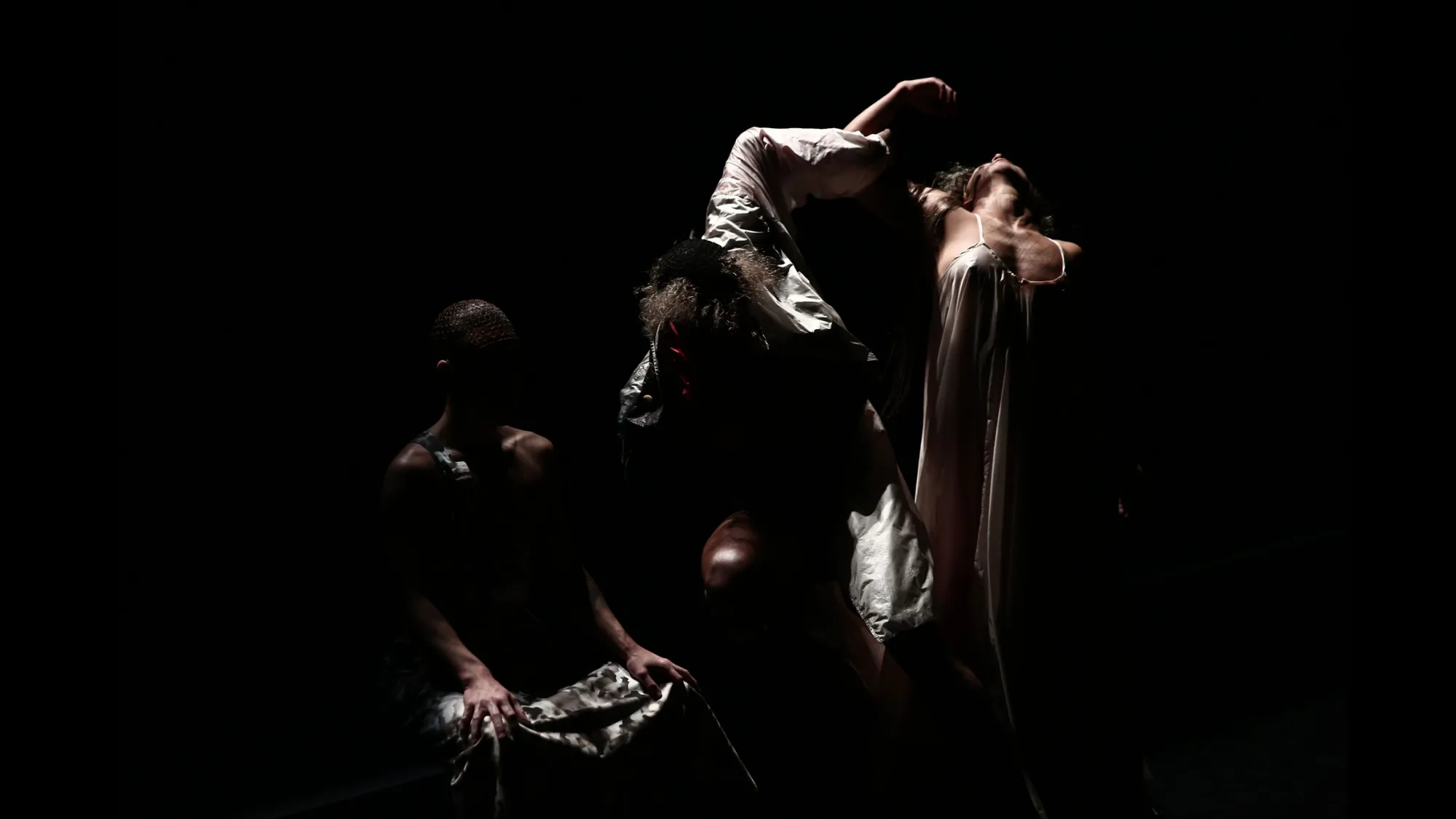
Three performers in chiaroscuro lighting. One figure is seated, another standing with arm intertwined with the third dancer who arches their back dramatically white standing.

Sudden Rise

Moved by the Motion (Wu Tsang and boychild with Patrick Belaga, Josh Johnson, and Asma Maroof)

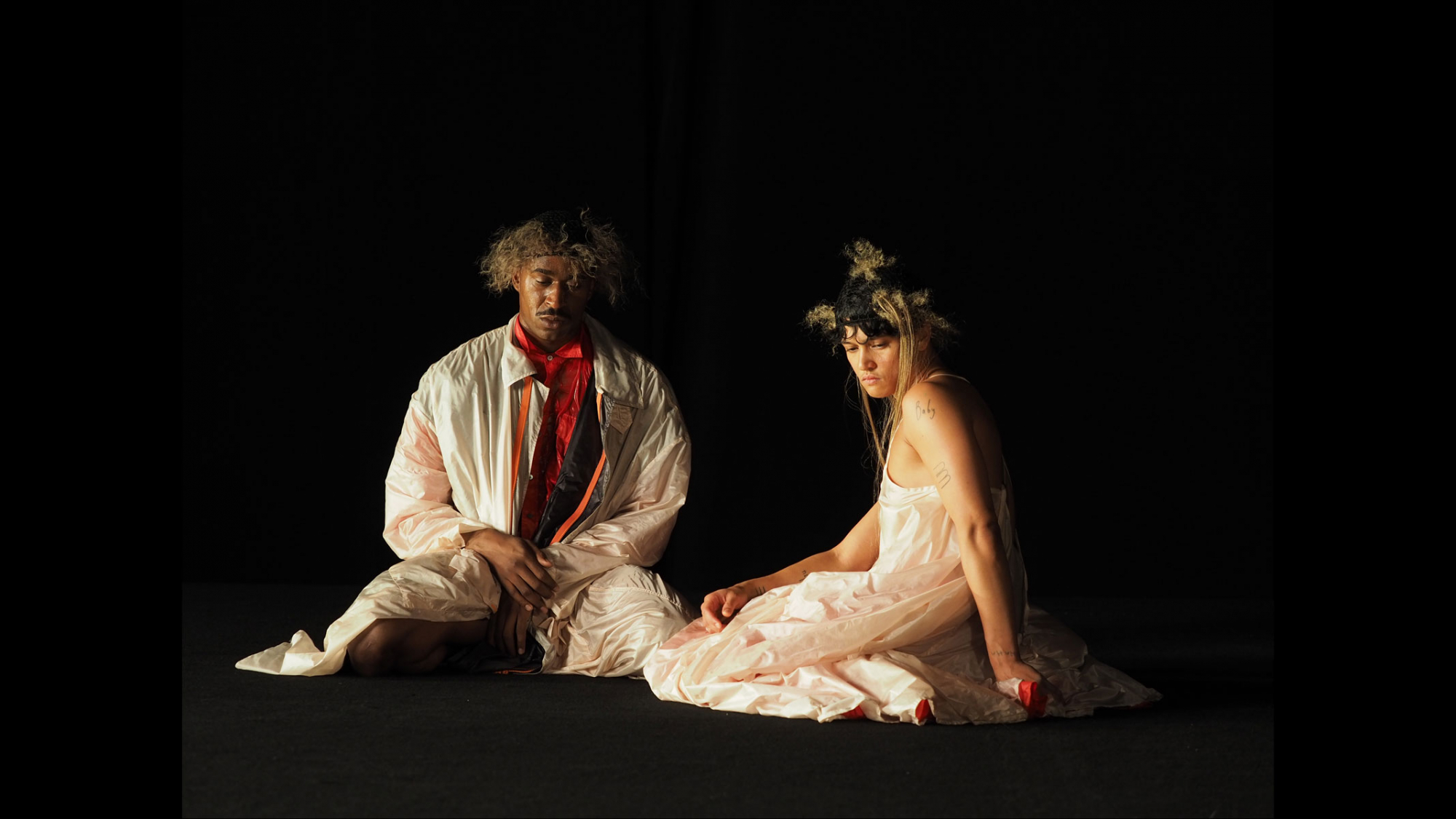
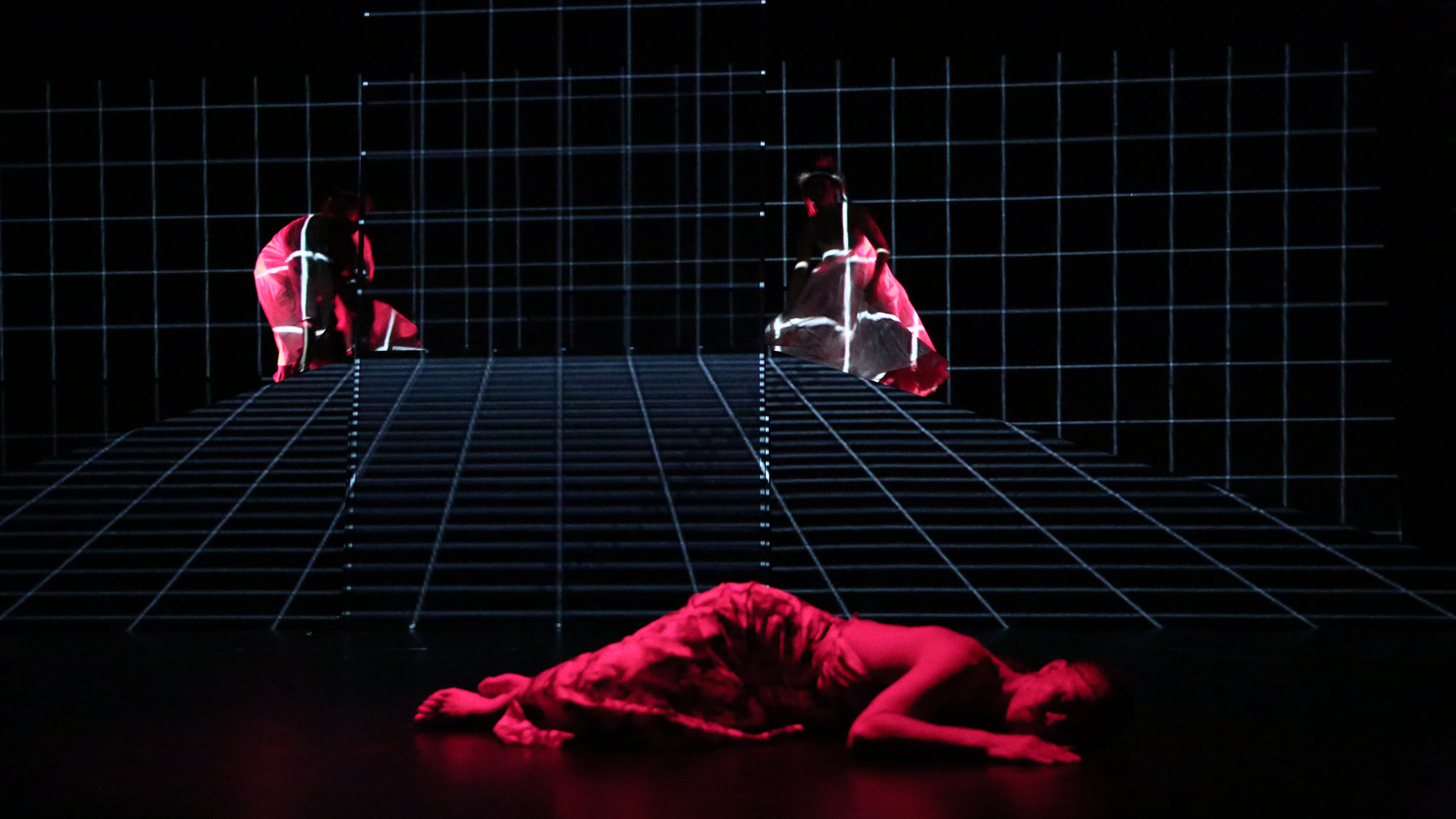
A newly commissioned ensemble performance for EMPAC’s 10YEARS celebration, Sudden Rise explores the interplay between the live and the pre-recorded. Moving fluidly between voice, movement, and image, Moved by the Motion resists the structural hierarchies inherent within and between artistic disciplines and reflects the spirit of the continually shifting improvisational ensemble.

Moved by the Motion is an ongoing, iterative performance project initiated by Wu Tsang and boychild in 2013 that features a shifting group of collaborators including Patrick Belaga, Josh Johnson, and Asma Maroof, among others. The ensemble explores different modes of storytelling through an improvisational structure. Each performance is a series of translations between text, movement, film, theater, and music.

Main Image: Sudden Rise. Courtesy the artists. Photo: Paula Court/EMPAC.

Media
Image
 A Black man wearing short blonde hair extension pieces and a white transparent trench coat seated next to a white person also wearing extensions and a long white transparent dress. Both look down pensively while seated on a dark stage.

Main Image: Sudden Rise. Courtesy the artists. Photo: Paula Court/EMPAC.

Image
A person laying on a black stage draped in fabric and washed in red light in front of a blue grid.

Main Image: Sudden Rise. Courtesy the artists. Photo: Paula Court/EMPAC.

Image
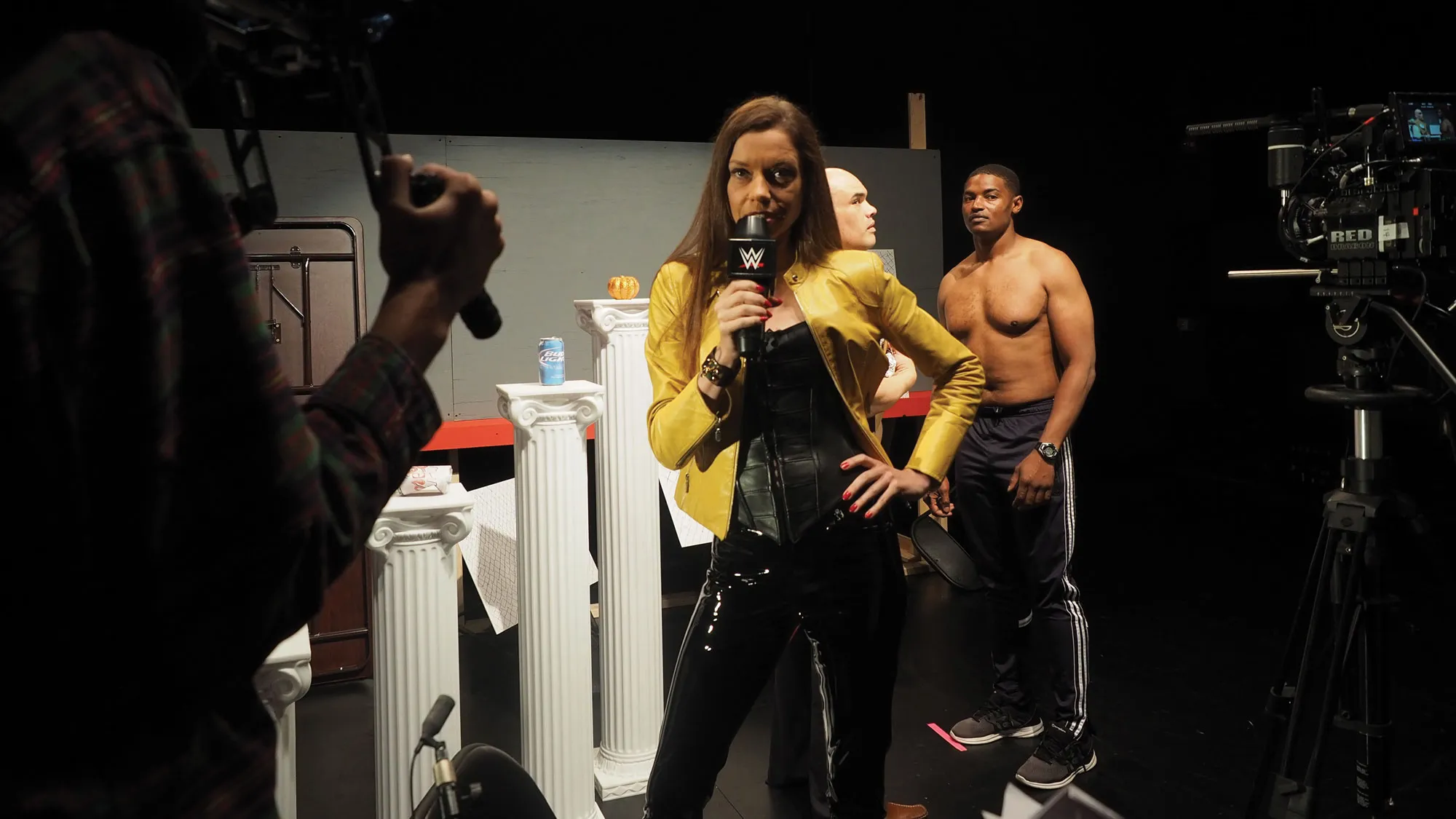
A woman wearing a leather cat suit and yellow blazer speaking in to a microphone. A shirtless man is standing behind her.

If It Bleeds

Isabelle Pauwels

Commissioned and produced by EMPAC, If It Bleeds is a moving-image work inspired by recent events in the world of Mixed Martial Arts (MMA). Historically, MMA was promoted as something very distinct from both boxing—a sport so corrupt that the best hardly ever fight the best—and from pro wrestling, which is totally scripted and driven by mic skills, costumes, and bad acting. But in seeking to expand the audience, MMA promoters increasingly court the artifice of wrestling to privilege the showman over the sportsman. If It Bleeds follows the fighters, commissioners, reporters and a promoter as they battle through post-fight pressers, promotional tours, and disciplinary hearings. The narrative unfolds in a game of one-upmanship as the characters are seduced by their public image and driven by the fiction that everything happens “for a reason.” If It Bleeds uses the pageantry of sports-entertainment to explore the grotesque and sublime spectacle that is everyday survival.

Canadian artist Isabelle Pauwels works primarily in video and installation. Her blend of performance and documentary realism explores the fraught relationship between narrative conventions and everyday social interaction. If It Bleeds follows Pauwels’s 2014 EMPAC-commissioned multimedia performance ,000,.

Main Image: Isabelle Pauwels, If It Bleeds. Production still: Mick Bello/EMPAC.

Media
Image
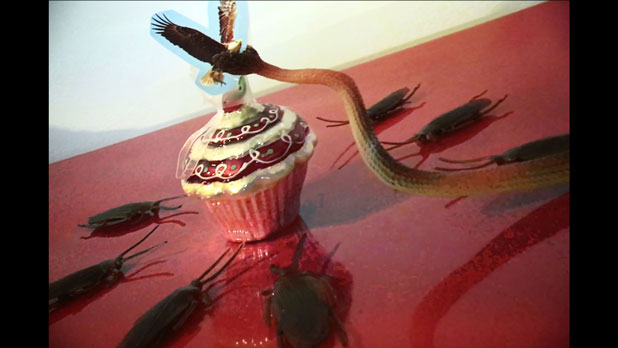
A rubber snake holding a cut out of a bald eagle attacking a cupcake surrounded by plastic cockroaches.

Main Image: Isabelle Pauwels, If It Bleeds. Paula Court/EMPAC.

Excerpt from If It Bleeds, (2018). Courtesy the artist.

Image
An Afghan woman wearing 1960's style clothing speaking frantically into a CB.

What We Left Unfinished

Mariam Ghani with Qasim Naqvi

A work-in-progress screening of Mariam Ghani’s feature film, What We Left Unfinished, which is currently in post-production at EMPAC. Following the screening, Ghani and the film’s composer Qasim Naqvi will discuss the relationship between sound and image in the film.

Based on the history of the Afghan Film Archive (the state film institute based in Kabul, Afghanistan), What We Left Unfinished reconstructs hidden and parallel narratives of both state propaganda and the experience of the Afghan Film Archive’s management and film directors during the period of Afghan Communism. Alongside his group Dawn of Midi, Qasim Naqvi has scored and recorded soundtracks for Mariam Ghani’s moving-image works for over a decade. The two artists began collaborating (with choreographer Erin Ellen Kelly) in 2006 with Performed Places—an ongoing site-responsive video and performance series.

Main Image: Mariam Ghani, What We Left Unfinished. Film Still: courtesy Mariam Ghani

Media
Image
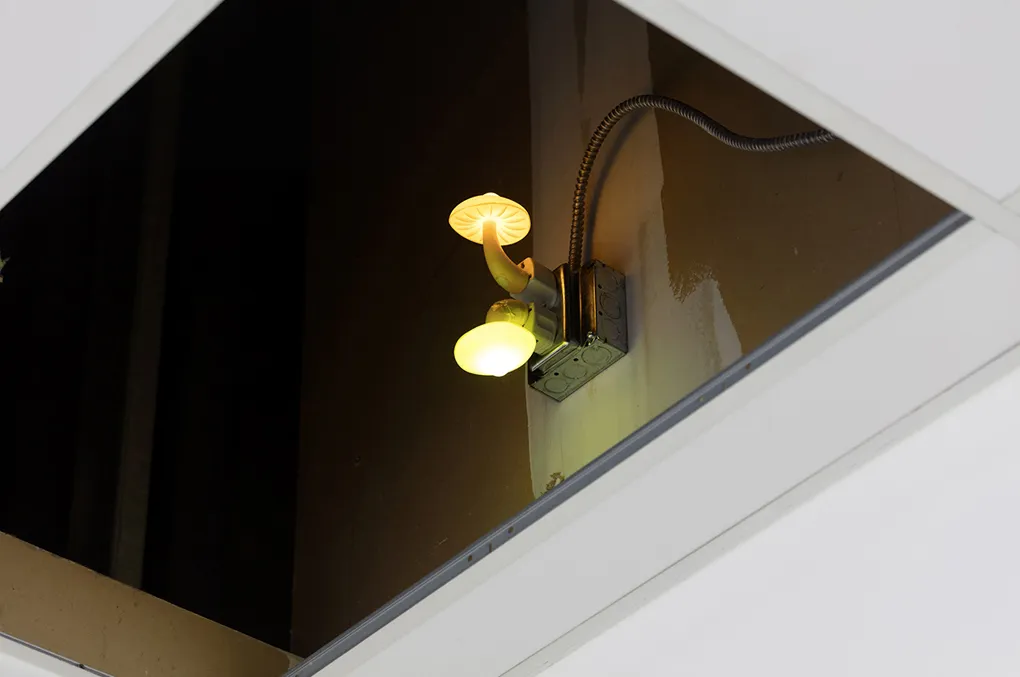
a mushroom shaped light plugged into a wall through a ceiling tile

Cancellations

Ghislaine Leung in conversation with Todd Vos

During her EMPAC production residency, artist Ghislaine Leung is experimenting with spatial audio for her upcoming exhibition at London’s Chisenhale Gallery. For this talk, Leung is joined by EMPAC’s lead audio engineer Todd Vos to discuss the technical and aesthetic considerations of “sound cancelation.” The method of “active sound cancellation” is common in the design of noise-cancelling headphones in order to eliminate unwanted environmental sounds. Leung is translating this technology into an architectural installation to experiment with its potential to produce an as yet unknown reality of sound.

At EMPAC Leung will be editing a new audio work KISS MAGIC HEART for this sound cancelling loudspeaker environment. Comprised of 18 hours of material from three UK commercial radio stations edited into a single compressed block, the recording will be distributed spatially in and through Studio 2 to cancel and clash sound polarities.

Main Image: Ghislaine Leung, Shrooms, 2016, Chinese night lights, plug adapters.
Photo: Courtesy the Artist and Essex Street, New York.

Media
Image
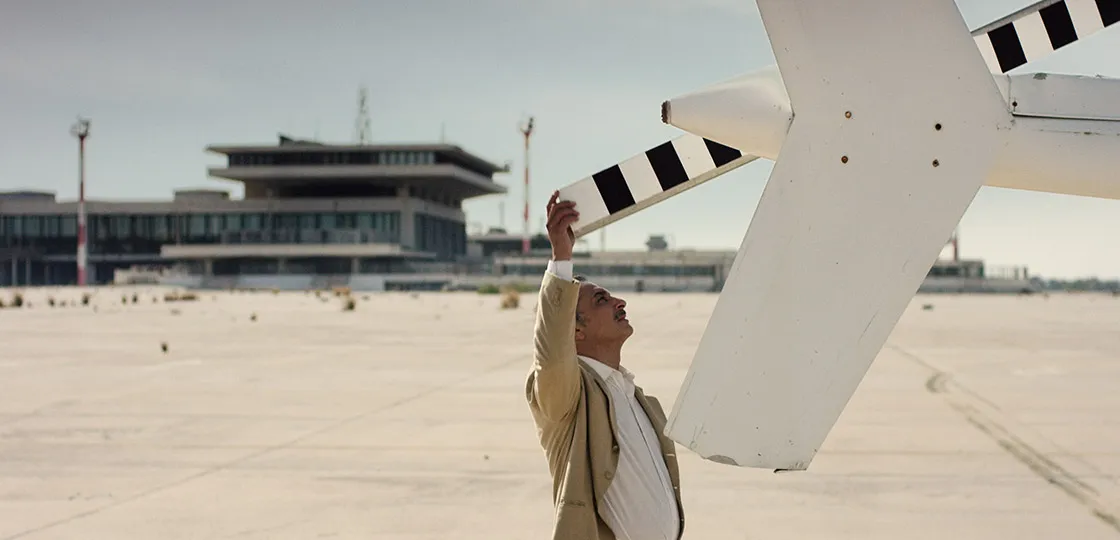
A lebanese man standing on a runway with his hand on a white helicopter rear propeller.

Other Uses 06

Jorge Jácome, Naeem Mohaiemen, and Beatriz Santiago Muñoz

For the final episode of the yearlong film series Other Uses, three films chronicle the afterlives of sites that time has suspended, abandoned, or reclaimed.

Beatriz Santiago Muñoz captures the convergence of plants, animals, and the local Puerto Rican population in Ojos para mis Enemigos (Eyes for my enemies) as they covertly share a decommissioned US military base in Ceiba. Jorge Jácome’s Flores transforms the autonomous Portuguese Azores Islands into a landscape rendered uninhabitable by the proliferation of hydrangeas, and a man is stranded at a disused Olympic airport in Naeem Mohaiemen’s first fiction feature Tripoli Cancelled.

Program

  • Ojos para mis Enemigos / Eyes for my enemies (2014)
  • Beatriz Santiago Muñoz
  • Flores (2017)
  • Jorge Jácome
  • Tripoli Cancelled (2017)
  • Naeem Mohaiemen
  • Approximate run-time: 130 min.

Main Image: Tripoli Cancelled, Naeem Mohaiemen. Film Still: Courtesy of the artist and LUX

Image
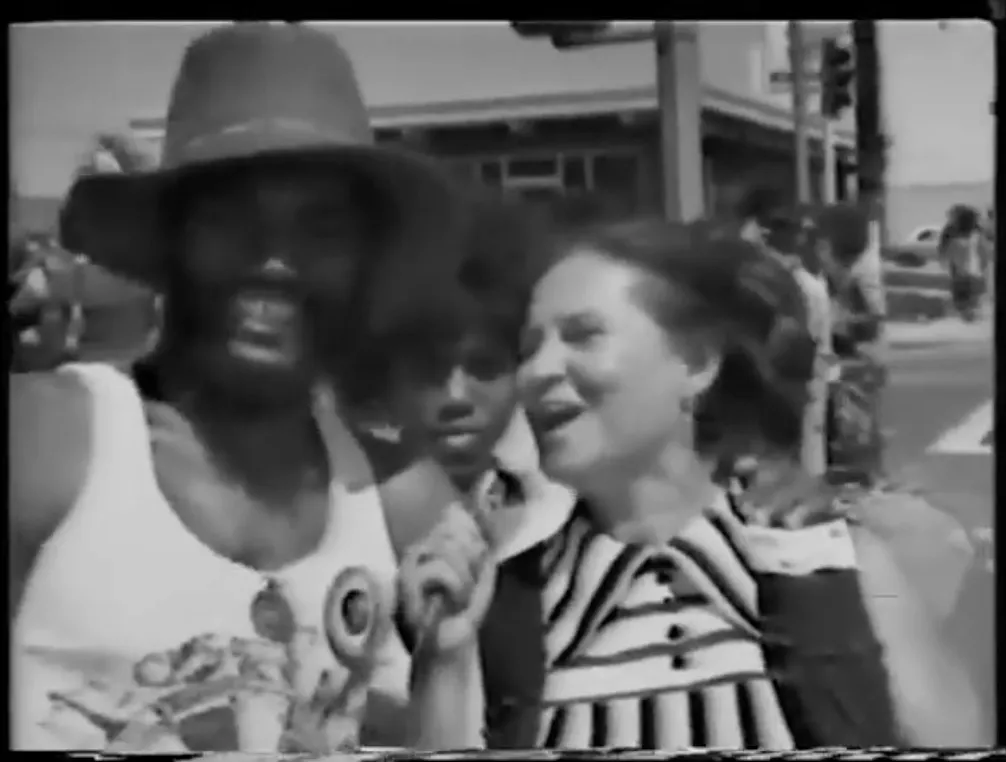
a black man and white woman in the streets at a festival in 70s era clothing.

Other Uses 05

Ulysses Jenkins

The fifth screening in the Other Uses film series featured the work of Ulysses Jenkins, whose videos examine television’s power to shape current events and historical episodes.

Jenkins is an artist who has given particular consideration to the portrayal of Black men in America. This installment featured documentary and performance videos Jenkins made from the 1970s to the present, beginning with the artist’s filming of the Watts Festival. Alternating between clarity and obscurity, the forms and content of television were redeployed to challenge the perceived neutrality of the televisual record. 

Ulysses Jenkins is a video/performance artist whose work has been shown in a number or national and international venues, including the Maryland Institute College of Art, the Hammer Museum, and the Getty Museum. He was the recipient of the California Arts Council’s Multicultural Entry Grant as artistic director of Othervisions Studio, an interdisciplinary media arts production group. He is a three-time recipient of the National Endowment for the Arts’ individual artist fellowship and was awarded the Black Filmmakers Hall of Fame first place award in the experimental video category in 1990 and 1992. He is currently Professor of Art at University of California, Irvine. 

The moving-image works presented in the film series Other Uses utilize a variety of in-camera and post-production techniques to re-frame objects, places, histories, and people that might otherwise remain off-screen. The series title is borrowed from the English translation of Otros usos, a 16mm film shot in a former US Naval Station in Ceiba, Puerto Rico by artist Beatriz Santiago Muñoz. Filmed through mirrored sculptures, or “malascopios” as the artist describes them, Otros usos projects shifting, unstable viewpoints as multiple prismatic images are arrayed in a single frame. This misuse or destabilization of perspective, geometry, and structure within the film frame is a common characteristic of the artworks in this series. Although vivid in surface and rigorous in technique, the films and videos deliberately resist the spectacle of the singularly imaged “event” in order to transform everyday surfaces into the cinematic.

PROGRAM

  • Secrecy: Help Me to Understand (1994) Video, color, sound. 5:20 minutes. Courtesy of the artist.
  • Part II of Remnants of the Watts Festival (1972-73, compiled 1980) Video, b&w, sound. 25:50 minutes. Courtesy of the artist and EAI, New York.
  • Mass of Images (1979) Video, b&w, sound. 4:16 minutes. Courtesy of the artist.
  • Inconsequential Doggereal (1981) Video, color, sound. 15:19 minutes. Courtesy of the artist.
  • Vulnerable (2000) Video, color, sound. 5:04 minutes. Courtesy of the artist.
  • Planet X (2006) Video, color, sound. 6:27 minutes. Courtesy of the artist.
  • Approximate runtime: 83 minutes

Ulysses Jenkins, Remnants of the Watts Festival, 1972-73 Film still: Courtesy the artist and EAI, New York.

Media

A conversation between artist Ulysses Jenkins, whose videos examine television’s power to shape current events and historical episodes, and curator Lucas Matheson. This talk was part of EMPAC’s 2018 moving image series Other Uses.

Image
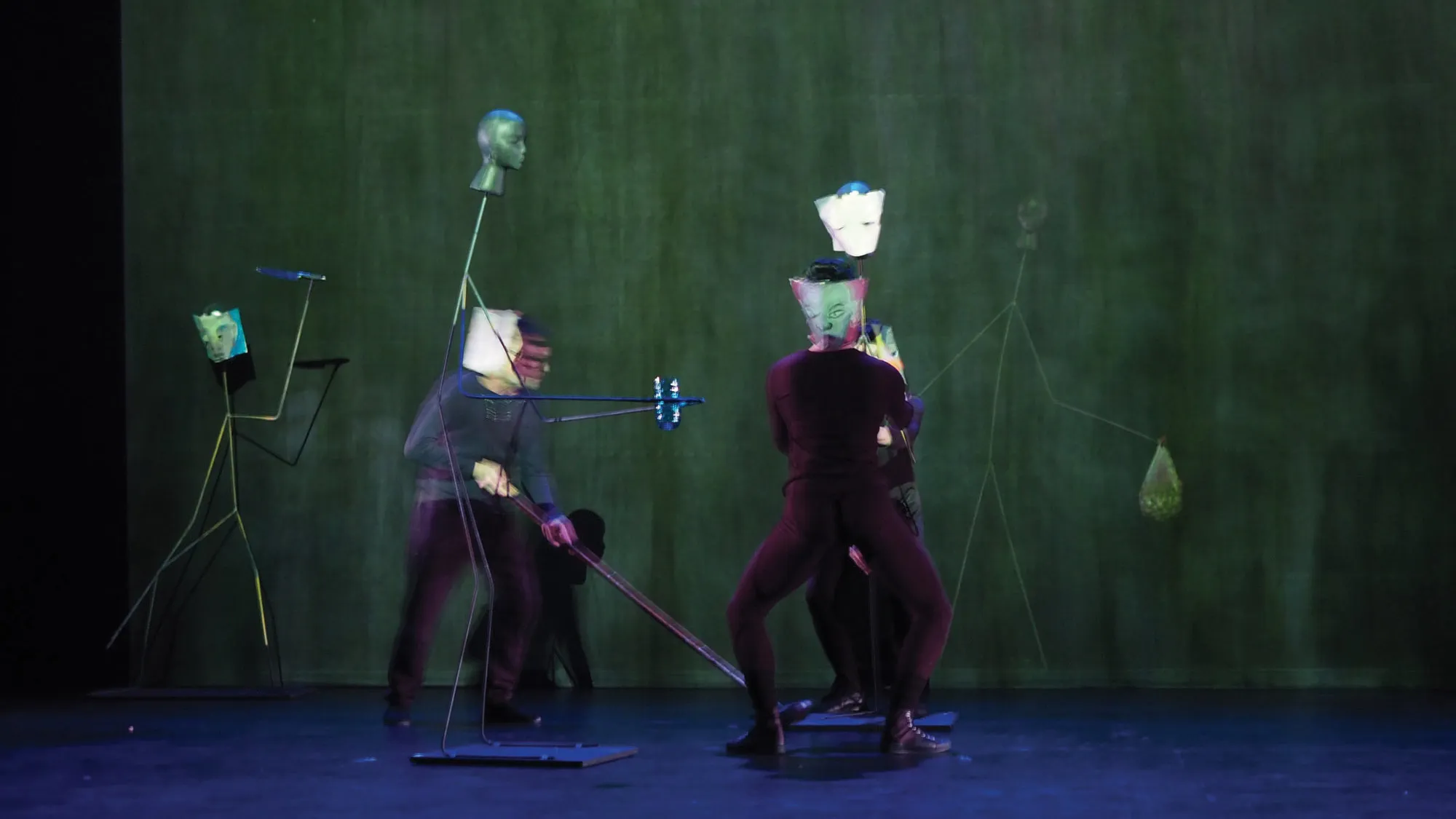
Two people preforming with various humanoid sculptures on a blue and green stage.

They Are Waiting for You

Laure Prouvost with Sam Belinfante and Pierre Droulers

They Are Waiting for You was Turner Prize-winning visual artist Laure Prouvost’s first major stage performance, in collaboration with Sam Belinfante and Pierre Droulers.

Theatrical and cinematic technologies—projection, light, and haze—interacted with performers, musicians, objects, and the audience in a surreal and perceptually disorientating theatrical production. Everyday items were used to investigate language itself, its origins and its distance from the world. Words, bodies, and images gained and lost meaning throughout the performance as language broke down. And in the piece’s stunning conclusion, that loss of language revealed a new space for the beautiful.

Co-commissioned by EMPAC and the Walker Art Center, They Are Waiting For You marked French artist Laure Prouvost’s first major commission for the stage and was conceived in collaboration with London-based artist, filmmaker, and curator Sam Belinfante, as well as renowned French/Belgian choreographer Pierre Droulers.

Main Image: They Are Waiting For You, Laure Prouvost, Sam Belinfante, and Pierre Droulers. Production still, 2017. Photo: Mick Bello/EMPAC