Image
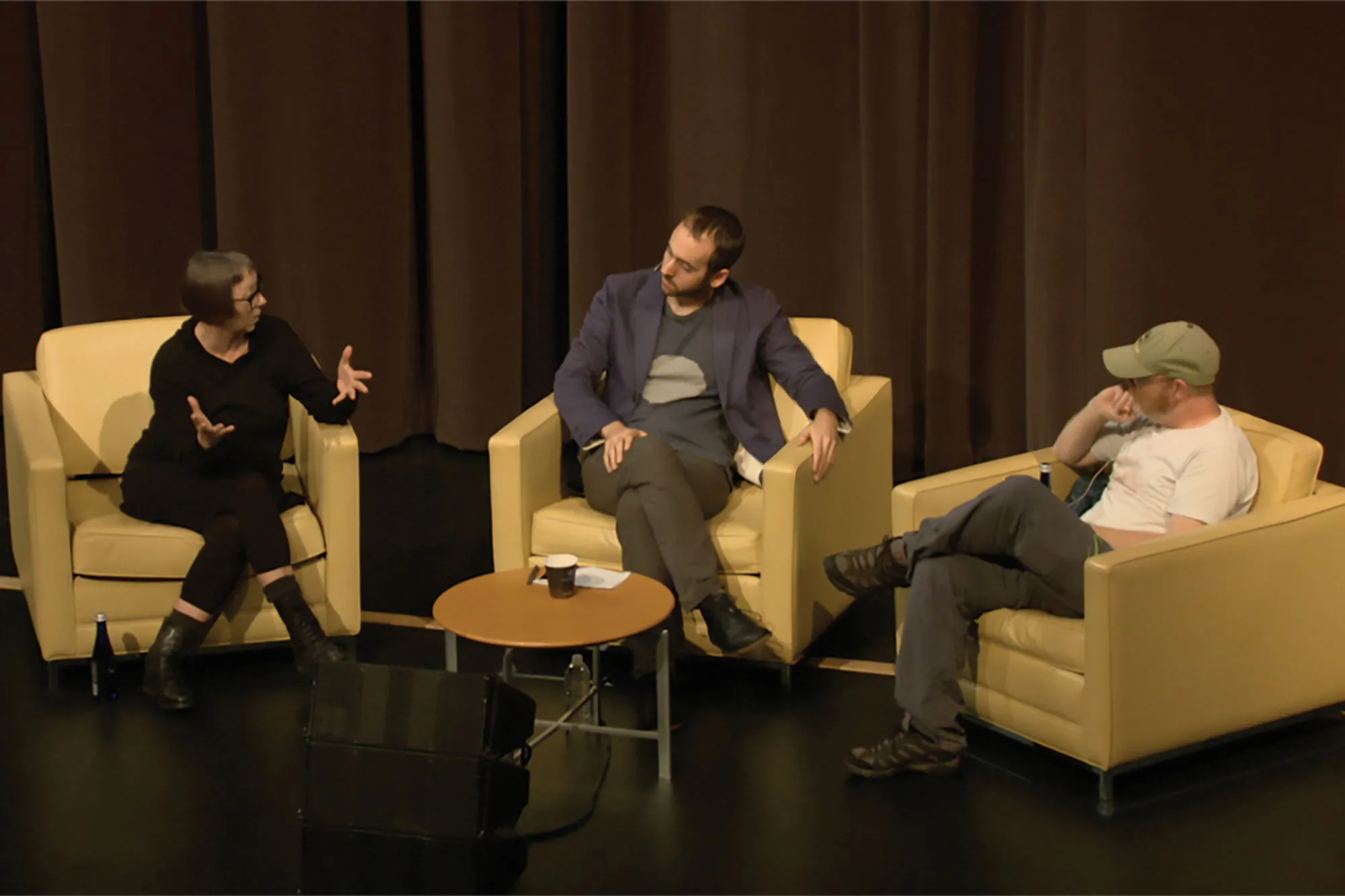
A woman and two men seated in yellow arm chairs in active discussion on a stage in front of a brown curtain.

In Conversation

Mark Fell and France Jobin

Often, the mark of excellence in electronic music and sound art is the ability of the composer to hide their identity and virtuosity behind an inscrutable bank of machinery or within the ambient acoustics of the space in which the piece is performed. Whether or not this obfuscation is willful, it results in a genre of music that is vastly diverse in both its effects and technical configurations. In this conversation between Mark Fell and France Jobin, two masters of their understated craft will step forward to engage in dialogue and answer questions about the aesthetics, techniques, and politics of their work.

Fell has been in residence at EMPAC to develop Recursive Frame Analysis, a new work for sound, light, and dance; meanwhile, Jobin has been working on the premiere of a multi-channel sound piece for the Concert Hall.

Mark Fell is a multidisciplinary artist based in Sheffield, UK. He is widely known for combining popular music styles such as electronica and techno with more academic approaches to computer-based composition, with a particular emphasis on algorithmic and mathematical systems. As well as recorded works, he produces installation pieces, often using multiple speaker systems. He started his career in the ’90s house and techno scene as one half of electronic duo SND and released The Neurobiology of Moral Decision Making earlier this year on label The Death of Rave.

France Jobin is a sound/installation artist, composer, and curator residing in Montreal, Canada. Her installations express a parallel path, incorporating both musical and visual elements inspired by the architecture of physical spaces. Her works can be “experienced” in various music venues and new-technology festivals across Canada, the United States, South America, South Africa, Europe and Japan.
Image
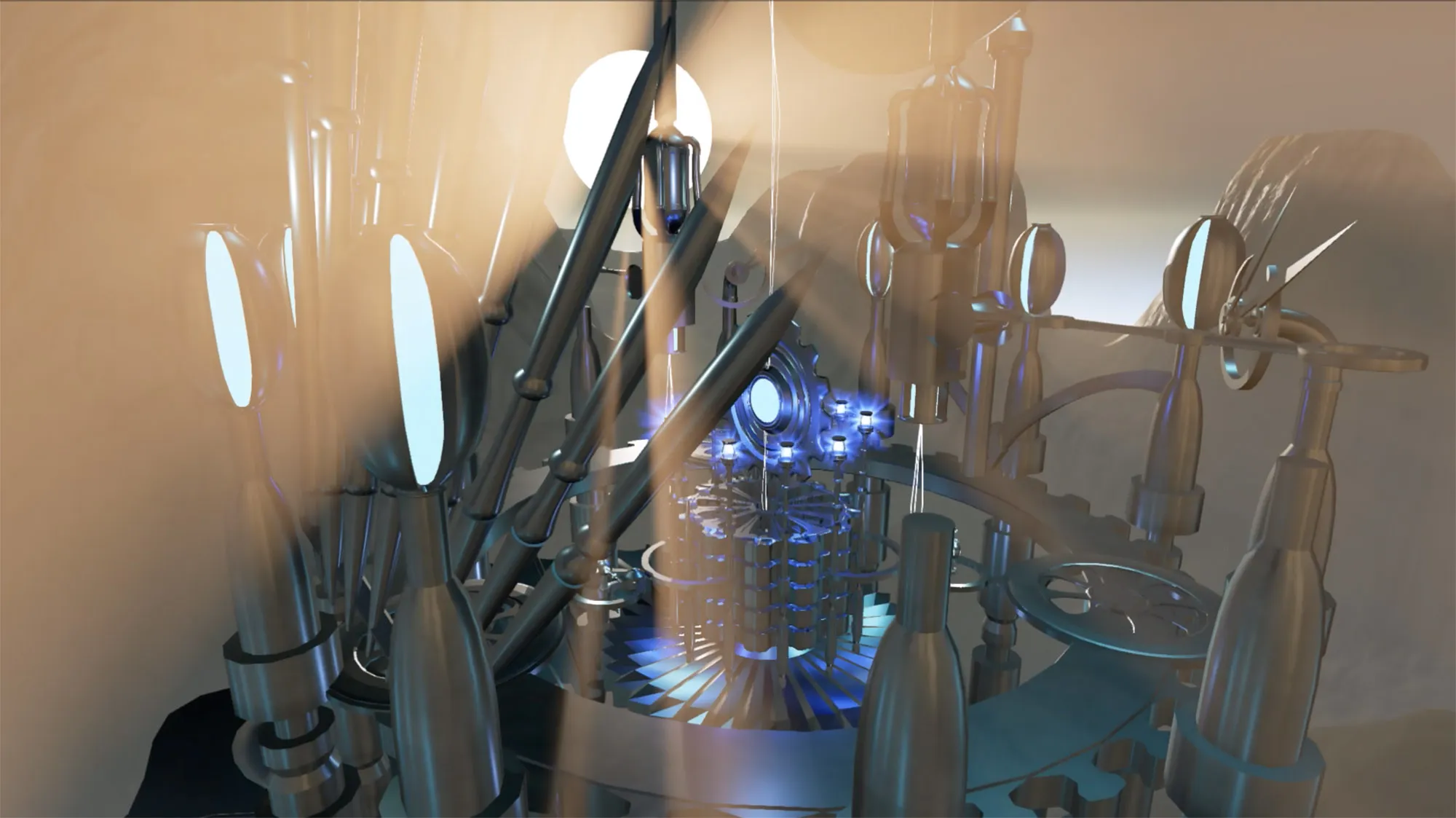
A computer generated image of various metallic cylinders and gears lit by a beam of light.

Rob Hamilton

The Machine is the Message: How Technology Will Fundamentally Change Music

Computers are amazing tools for the generation and manipulation of massive amounts of data in real-time—tools that allow artists, musicians, and researchers to procedurally explore new paradigms of audio and visual interaction, co-opting bits and bytes “on-the-fly” into stunning digital canvases for our enjoyment and contemplation.

Modern computing technology has empowered a generation of creatives to engage their audiences directly as interactive partners rather than passive consumers. The creative and commercial successes of immersive game experiences predict an adventurous future, and have already acclimated audiences to nonlinear forms of storytelling while feeding our growing need to take an active role in our own entertainment. The room is prepped, so to speak, for a new age of procedurally generated, media-rich art and music, which eschews linearity and embraces the dynamism inherent in our tools.

Researcher and composer Rob Hamilton explores the converging spaces between sound, music, and interaction. His creative practice includes mixed-reality performance works built within fully rendered, networked game environments, procedural music engines and mobile musical ecosystems. His research focuses on the cognitive implications of sonified musical gesture and motion and the role of perceived space in the creation and enjoyment of sound and music. Dr. Hamilton received his PhD from Stanford University’s Center for Computer Research in Music and Acoustics (CCRMA) and has joined the Rensselaer community this semester, serving as Assistant Professor of Music and Media in Rensselaer’s Department of Arts.

Image
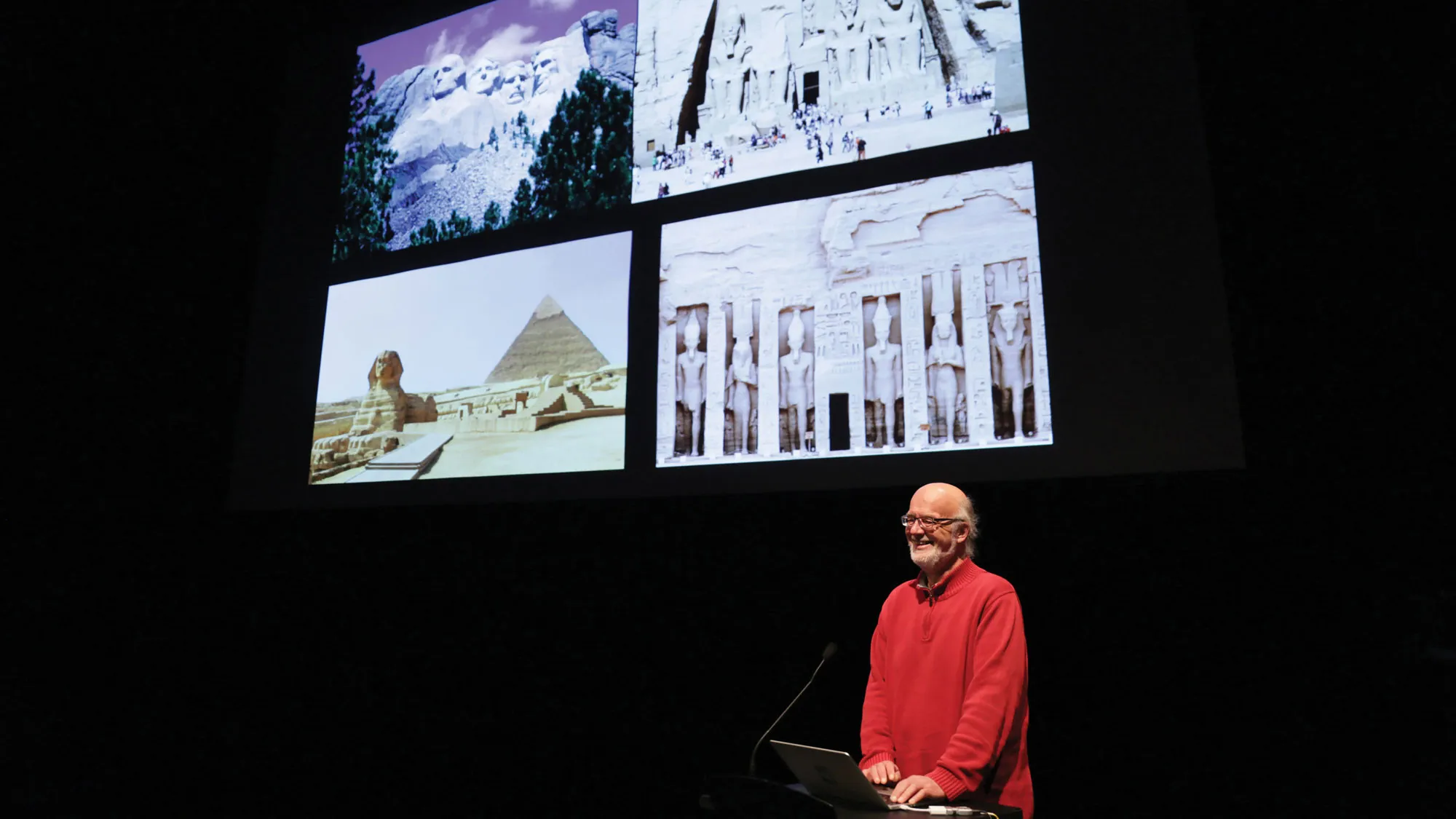
Johannes Goebel giving his talk on the Theater stage in front of a large screen displaying images of Mount Rushmore, The Sphinx, and other Egyptian monuments.

Eternity and Megalomania: The Politics and Mechanics of Archiving 

Johannes Goebel

Most everyone in our society has an ever-increasing amount of digitally encoded documents and data, from selfies and family pictures, videos and music, to scientific and financial data. EMPAC, for one, has hundreds of hours of video and audio documenting performances and events created here on campus. While technology continues to change more rapidly than ever, attempts to standardize digital formats are undermined by an industry that has to meet shareholders’ expectations with new gear, protocols, and ever-new methods for distribution and storage. Obsolescence and incompatibility guarantee rising sales.

An immense effort has been underway for the past decades to cope with this battle between constant change in the name of improvement and the desire to pass “things” on from generation to generation. We like to believe what we are told, that we have conquered eternity by digitizing everything in a “universal code.”

Some fundamental aspects of archiving have been around ever since we started writing our thoughts and preserving “the fruit of our labor” beyond the life-span of an individual: Who has the power to determine what is to be kept? Who has the money to pay for keeping what is to be kept? Whose bits will survive the longest? Some answers can be found by considering clay tablets, pyramids, monks copying manuscripts by hand, the printing press, acid-free paper, acetate film – and the care that is currently taken to destroy cultural artifacts, as in the Islamic world (a non-first and non-last in human history and common to all cultures).

The talk will finally give an overview of present preservation strategies in the digital domain and present the concrete solution we found for EMPAC, which is both cheap and pragmatic. This approach may be of interest to anyone in the scientific world, in industry (where it is being adopted), or at home.

Johannes Goebel has been involved with the archiving and restoration of digitally created music since the mid ’80s, when the issue was already problematic, only 30 years after digital sound entered the world of music. He created and mastered the first audio CD series dedicated to distribute music, created with computers, in a digital form, and established the first international digital archive of electronic music with colleagues from Stanford University and ZKM Germany between 1989 and 1995, at a time when an “all-digital archive” was not seen as worthy of support from big foundations—only 25 years ago. As director of EMPAC, he has been collaborating with the EMPAC team to archive the work done here, resulting in a “video chair,” a 688-page printed book (also available online), and a strategy to back-up video and audio data in a cheap and hopefully longer-lasting way.

Jonathan Dordick

CANCELED

Due to unforseen circumstances, this talk has been canceled. We apologize for any inconvenience.

Nature is unparalleled in its structural and functional diversity. Living organisms make fantastic materials under myriad conditions with properties we cannot emulate today using conventional approaches. In many cases, nature has provided us with a blueprint to design and assemble both natural and synthetic building blocks to create a new generation of functional, organized, and responsive materials. Accordingly, we have taken cues from nature to design materials with unique structural and functional properties, along with new process technologies with the ability to produce a wide range of biomimetic structures.

In this talk, Dr. Dordick will highlight Rensselaer’s recent efforts to exploit the interface of biology with materials science, enhancing protein function along the way. Both fundamental advances and applications will be discussed, the latter focused on composites that endow surfaces with decontaminating properties and nanomaterials with magnetic properties that enhance therapeutic function.

Jonathan Dordick has been the Vice President for Research at Rensselaer since 2013. Before that he was the director of CBIS, the Center for Biotechnology and Interdisciplinary Studies. Since 1998 he has been a professor in the department of Chemical Engineering. He is actively pursuing his research in the ares of Biocatalysis in Nonaqueous Media, Combinatorial Biocatalysis, Nanobiotechnology, enzyme technology, and molecular bioprocessing. He is a fellow of the American Association for the Advancement of Science and has recently been named fellow of the National Academy of Inventors.

Image
a male dancer wearing a teal top and gray bottoms suspended mid-air after a jump on the concert hall stage.

THINGING: Dance and Translation and the Work of Anne Carson

Silas Riener

Through the articulation of his body, choreographer/dancer Silas Riener explored the potential of dance in describing “things.” Based on word histories, personal histories, and translational acts in poet, translator, and essayist Anne Carson’s Variations on the Right to Remain Silent, The Autobiography of Red, and the Gender of Sound, Riener resisted the linguistic impetus to name in the effort to describe. Driven by both the promise and inherent futility of choreographic description, he performed this resistance as a translational act that challenges us to combine memories with meaning while circumnavigating language and the weight of words.

Silas Riener has been researching and translating Carson's prose into dance since making NOX in 2010 with choreographic collaborator Rashaun Mitchell. A member of the Merce Cunningham Dance Company from 2007-2012, Silas Riener is in residence at EMPAC with Rashaun Mitchell and artist Charles Atlas to produce a newly commissioned stereoscopic dance film and subsequent theatrical production, co-commissioned with Walker Art Center.

Main Image: THINGING in the concert hall in 2015. Photo: EMPAC/Rensselaer.

Image
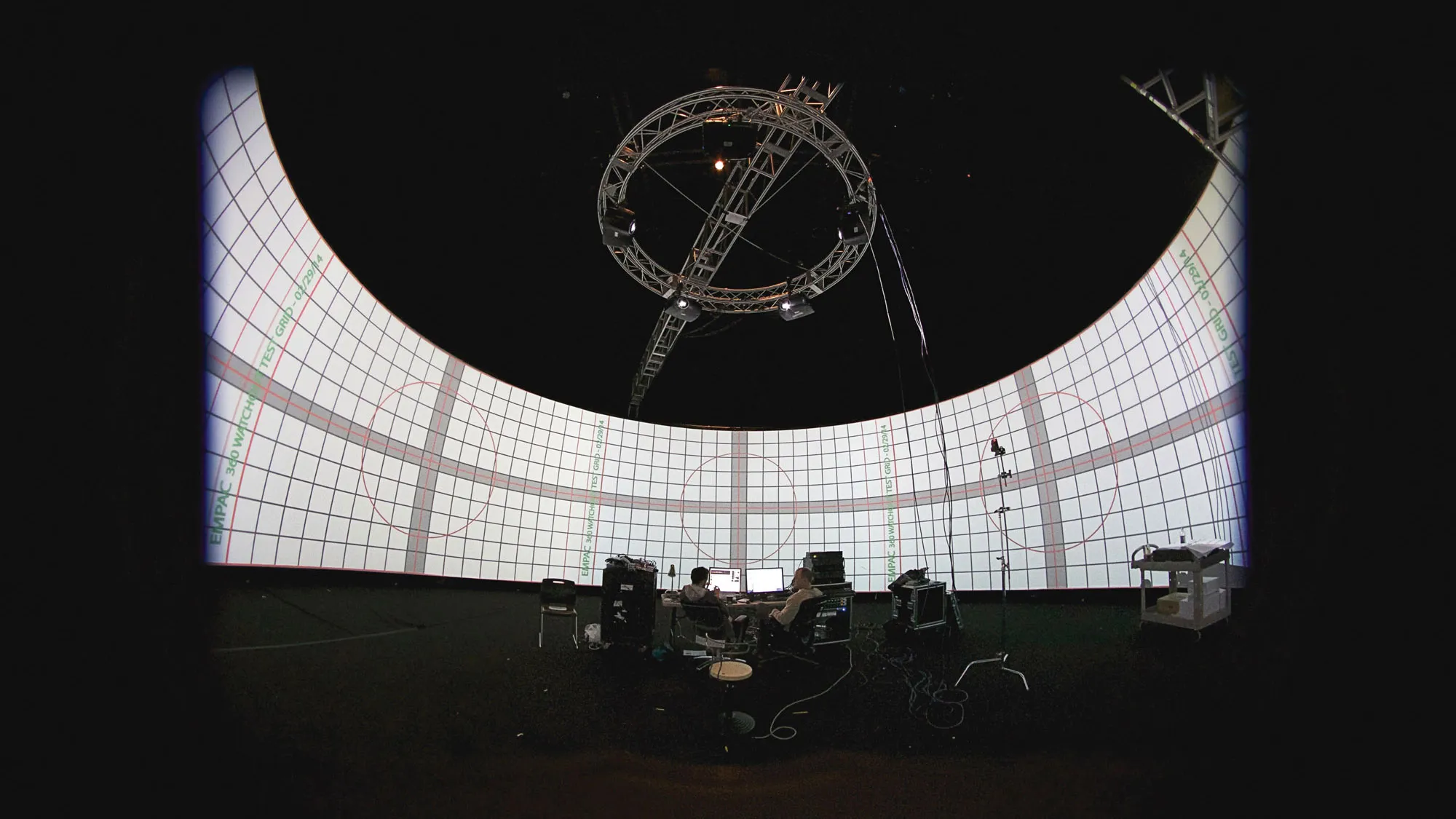
Two people sitting amongst computers and various electronics in front of a panoramic screen displaying a grid.

EMPAC from the Inside

Behind the Scenes of Production and Research

Quite simply, there is no other venue with EMPAC’s technical infrastructure and programming potential anywhere else in the world.

Beyond the hundreds of public events that take place each year, the studios and venues are used almost continually for extended artistic and research residencies, giving birth to new works and technologies “behind closed doors.”

In this presentation, EMPAC’s Senior research engineer Eric Ameres will pull back the curtain on technological work performed in collaboration with artists, scientists, and the EMPAC production teams. Through a series of vignettes, anecdotes, interviews, and some “show and tell,” he’ll explore the ever-expanding repertoire of technology and give insight into where experimental media and the performing arts can meet in production and research, providing a rare glimpse behind the scenes from what the audience typically gets to experience.

Image
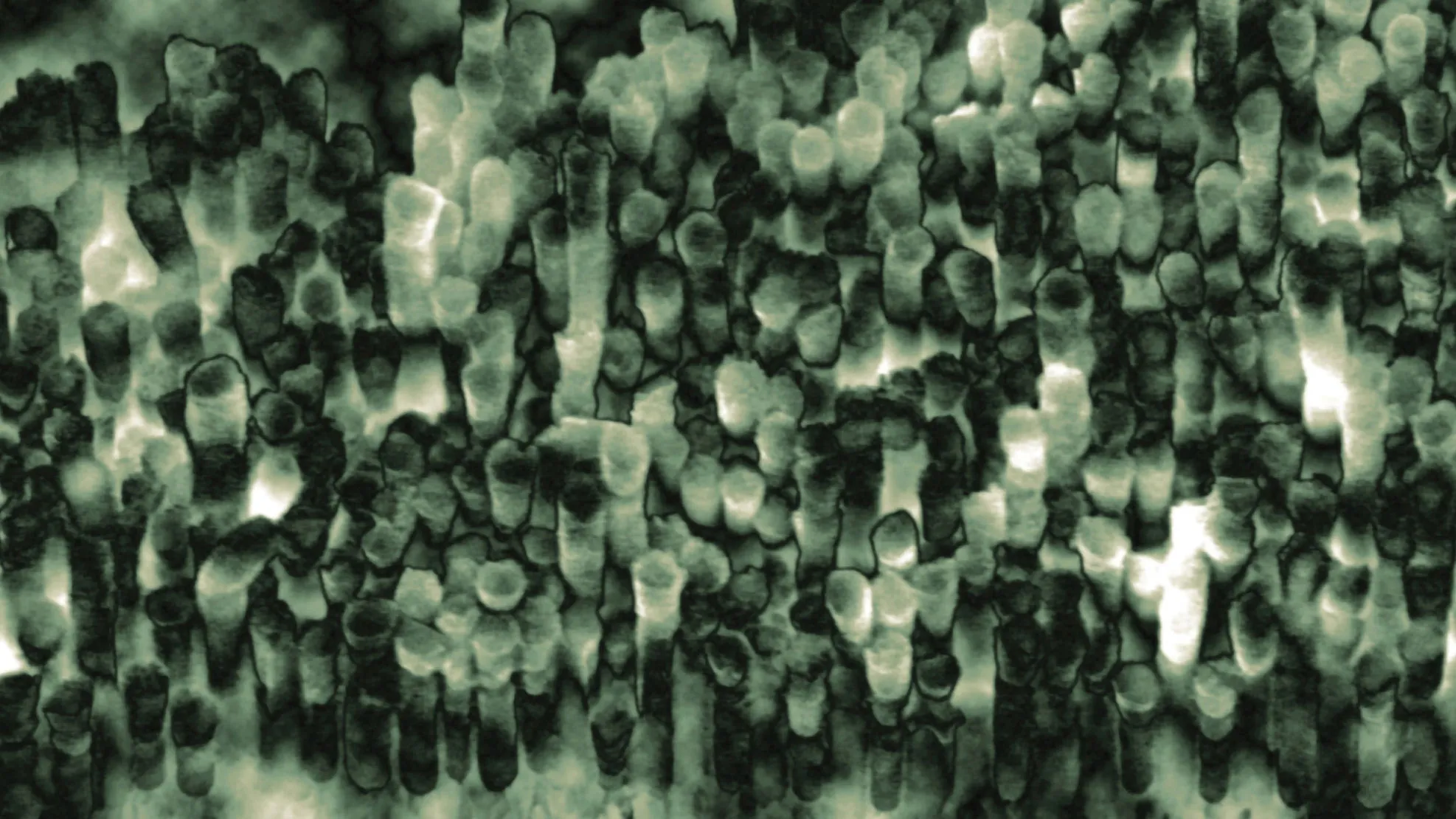
An up close image of green bacteria.

Curt Breneman

Changing the World by Mining the Materials Genome

Dr. Curt Breneman, dean of science at Rensselaer, discussed the work of the Materials Genome Initiative, a project that brings together materials science and data science to facilitate the development of advanced materials. The Materials Genome Project Initiative replaces trial-and-error experimentation with databases, algorithms, simulations, and other computational tools to expedite the processes of research, design, and implementation of new materials. The ability to rapidly develop materials with desirable properties to meet problems holds enormous potential to impact the built environment and enable new technologies. 

Dr. Curt M Breneman is professor of chemistry & chemical biology and dean of science at Rensselaer. His materials informatics work led to his appointment as an advisor to the White House Office of Science and Technology Policy/ National Institute of Standards in Technology Materials Genome Initiative program. 

This series provided an opportunity for Rensselaer professors and researchers to share in-depth perspectives on their fields of inquiry. Inviting an exchange of ideas on campus and providing a window into a singular vision, these events are geared toward experts and non-experts alike.

Image
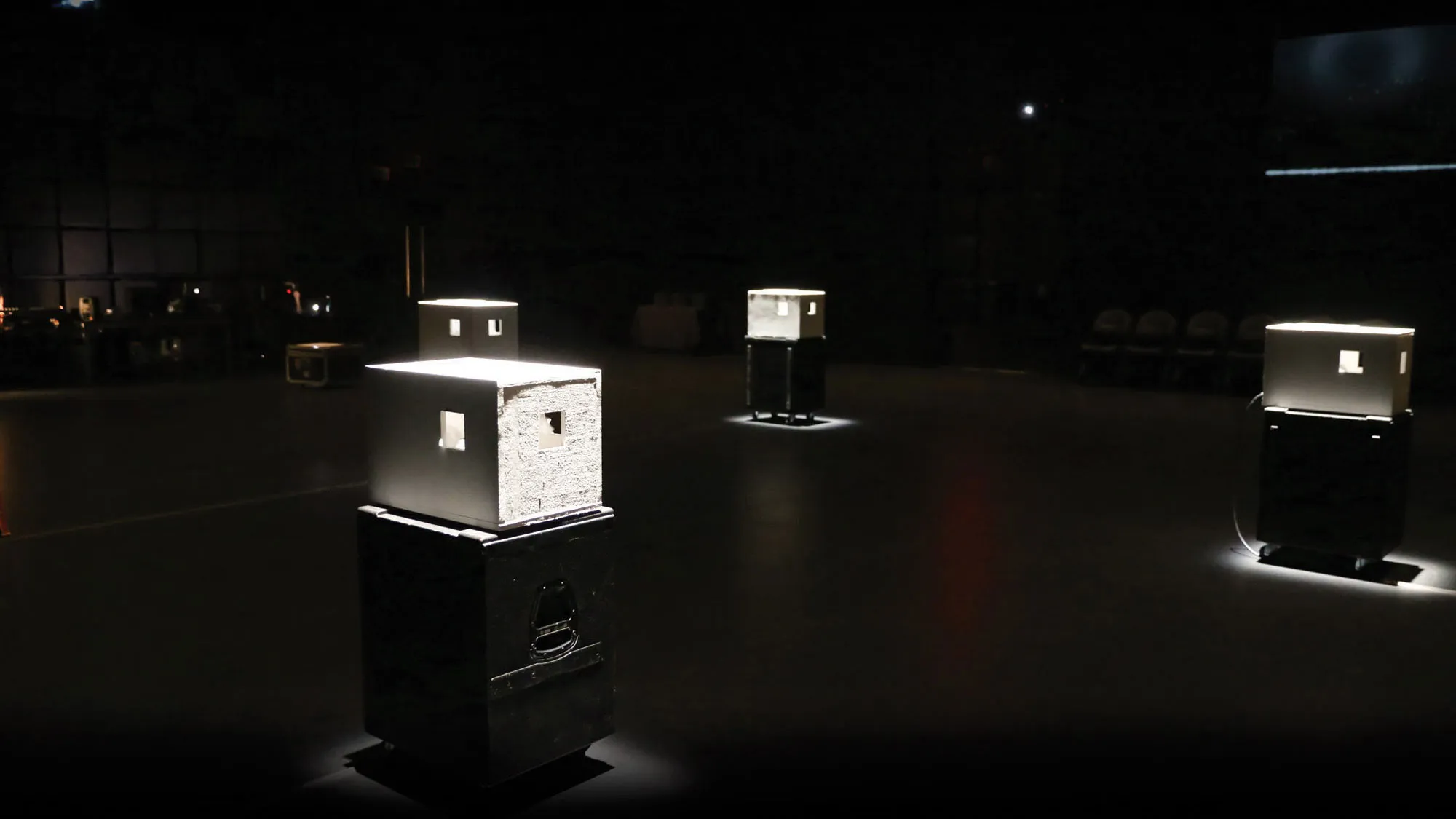
Four lit white boxes with small cutouts on black pedestals in a black box studio.

Strange Cloak–Sub-Flight Infinity

Sabisha Friedberg

Sound artist Sabisha Friedberg’s work explores perceptual thresholds, focused sub-sonic compositions, and low-frequency levitation. It pulls together concepts from the perceptual, phenomenological, and phantasmagorical to create thought-provoking, mystifying pieces. During her residency, Friedberg offered a talk and a work-in-progress installation/performance.

For Chasing the Phantasmagorical: Challenges and Process, Friedberg discussed her past practice as well as the elements investigated during her time at EMPAC.

Continuing her explorations into sound and frequency, the performance Strange Cloak–Sub-Flight Infinity investigated the relationship of levitation, suspension, and low-end thresholds through metaphor, pseudo-science, and real physics. The piece was built around bass-frequency sonic levitation with objects made to float and flutter as a ghostly effect of the sound waves themselves. 

Born in South Africa and currently based out of Brooklyn and Paris, Friedberg has performed and presented installations widely in Western and Eastern Europe, Russia, Japan, and Northern America.

Main Image: Friedberg's installation Strange Cloak–Sub-Flight Infinity in studio 1, 2014. Photo: EMPAC.

Media
Image
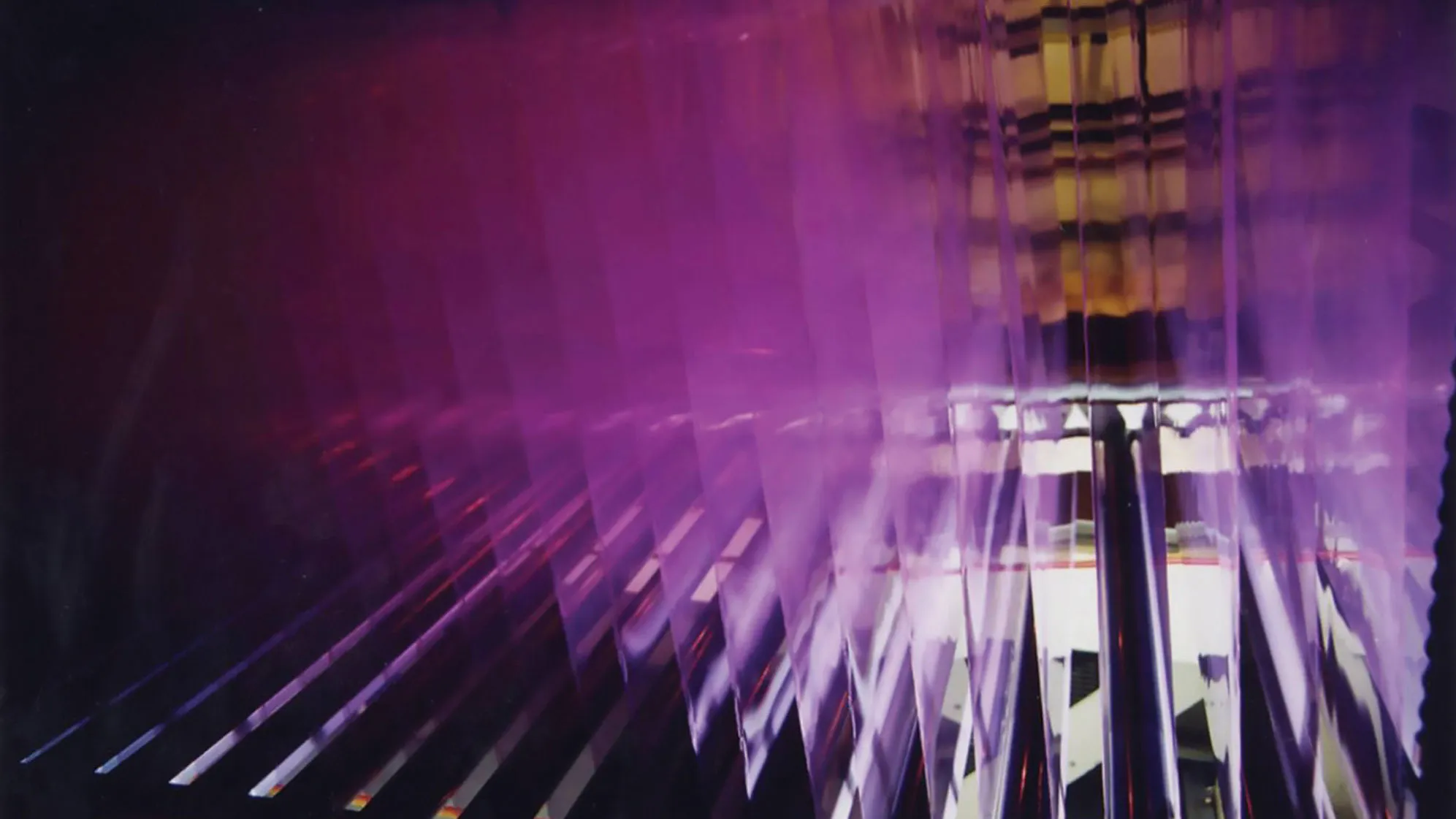
Abstract purple sheets of glass in rows.

Giuliana Bruno

Surface: Matters of Aesthetics, Materiality, and Media

Theorist Giuliana Bruno spoke about how the physical appearance of surfaces holds deep meaning for us as they are part of cultural contexts established by architecture, visual art, cinema, and philosophy. Arguing against the prevailing association of surfaces with shallowness and superficiality, Bruno used examples such as faces and facades, as well as screen surfaces, to suggest that surfaces are carriers of information, history, and politics. Surfaces constitute a connective tissue, serving as meeting places, interfaces, sites of transformation, and intimacy. By their very nature, surfaces contain a depth of meaning. Giuliana Bruno, professor of visual and environmental studies at Harvard University, explores the intersections of film, the Visual Art, and architecture. Her seminal work Atlas of Emotion: Journeys in Art, Architecture, and Film (Verso, 2002) won the 2004 Kraszna-Krausz Book Award in Culture and History—a prize awarded to “the world’s best book on the moving image”—and has provided new directions for visual studies. She is also the author of Surface: Matters of Aesthetics, Materiality, and Media (University of Chicago Press, 2014), Public Intimacy: Architecture and the Visual Art (MIT Press, 2007), and Streetwalking on a Ruined Map (Princeton University Press, 2002).

This series of talks focused on materiality and time—how material and passing time can be seen as reciprocal conditions for each other’s qualities. It is inspired by the thoughts of French philosopher Henri Bergson:

“If I want to mix a glass of sugar and water, I must… wait until the sugar melts. This little fact is big with meaning. For here the time I have to wait is not the mathematical time, which would apply equally well to the entire history of the material world…. It coincides with my impatience, that is to say, with a certain portion of my own duration…. It is no longer something thought, it is something lived.”

Bergson’s text has punctuated philosophical discussions since it first appeared in 1908. The series brought together material scientists, biochemists, architects, philosophers, curators, and media theorists to unravel the relationship of time and materiality within each discipline.

Giuliana Bruno, professor of visual and environmental studies at Harvard University, explores the intersections of film, the visual arts, and architecture. Her seminal work Atlas of Emotion: Journeys in Art, Architecture, and Film (Verso, 2002) won the 2004 Kraszna-Krausz Book Award in Culture and History—a prize awarded to “the world’s best book on the moving image”—and has provided new directions for visual studies. She is also the author of Surface: Matters of Aesthetics, Materiality, and Media (University of Chicago Press, 2014), Public Intimacy: Architecture and the Visual Arts (MIT Press, 2007), and Streetwalking on a Ruined Map (Princeton University Press, 2002).

Media

Bruno's talk Surface: Matters of Aesthetics, Materiality, and Media in the EMPAC Theater, March 9, 2015.