Poetry and the Power of Collaboration

Mary Kathryn Jablonski + Laura Frare

Poet Mary Kathryn Jablonski & filmmaker Laura Frare will show some of their recent collaborations in video poetry. Learn about their non-linear approach in creating these works. Frare’s artwork and filmmaking are lyrical, and Jablonski writes poems that are based in the visual/imaginary world. The process becomes quite magical when the video/poem whole is greater than its parts, illustrating neurologist Oliver Sacks’ research on the cognitive connections between music, memory, and emotion.

Main Image:

Image
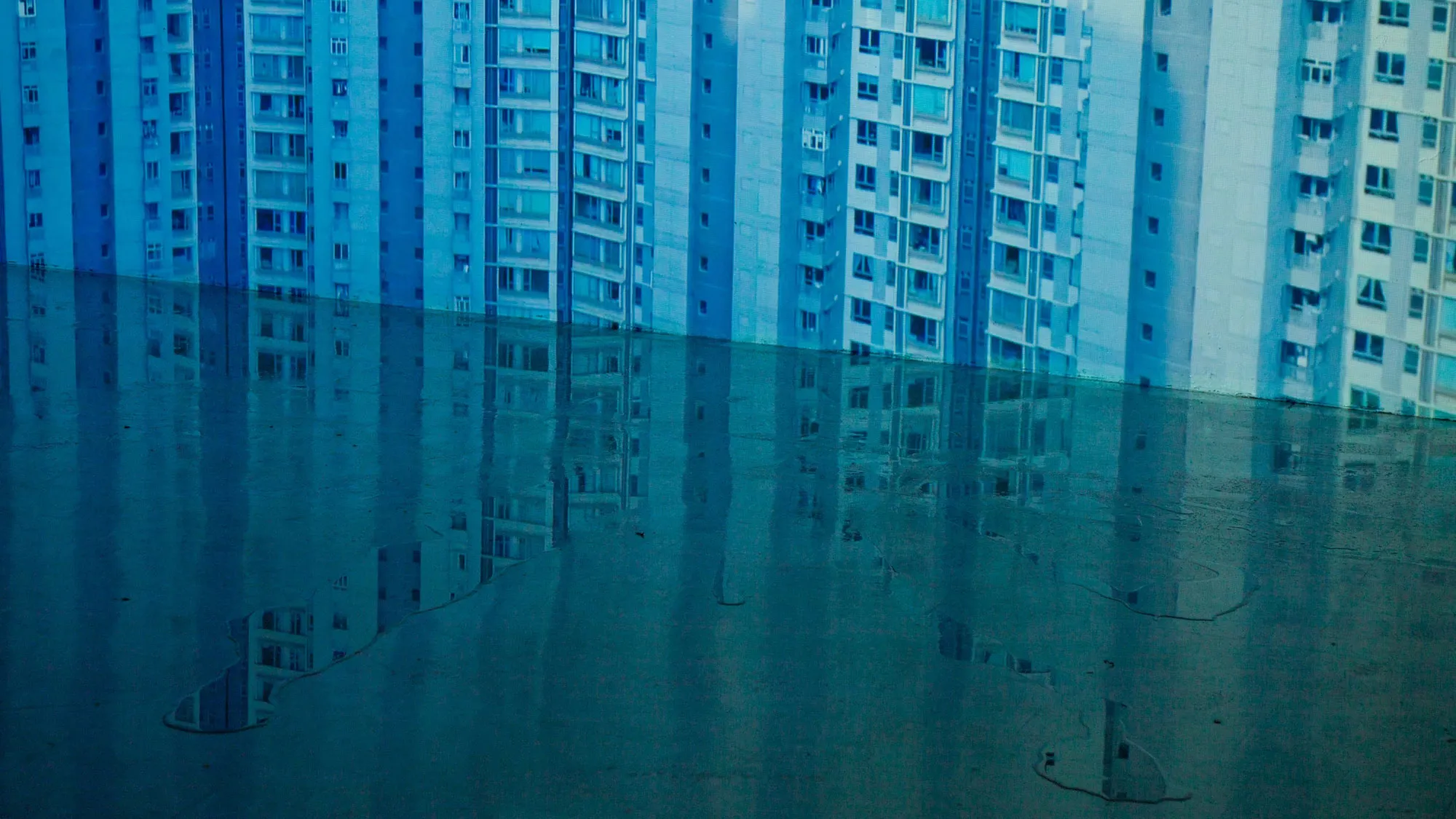
A blue high-rise apartment building with mean windows projecting on to a wall. A small puddle forming a reflection is on the floor where the wall meets the ground.

Short Shadows

Jon Wang and Bahar Behbahani

New York-based artists and filmmakers Jon Wang and Bahar Behbahani will be in residence in Studio 1 to develop a performance, which will be presented as part of the Short Shadows film series on March 29.

Main Image: Jon Wang, From it's Mouth Came a River of High-end Residential Appliances (2018). Courtesy the artist.
Image
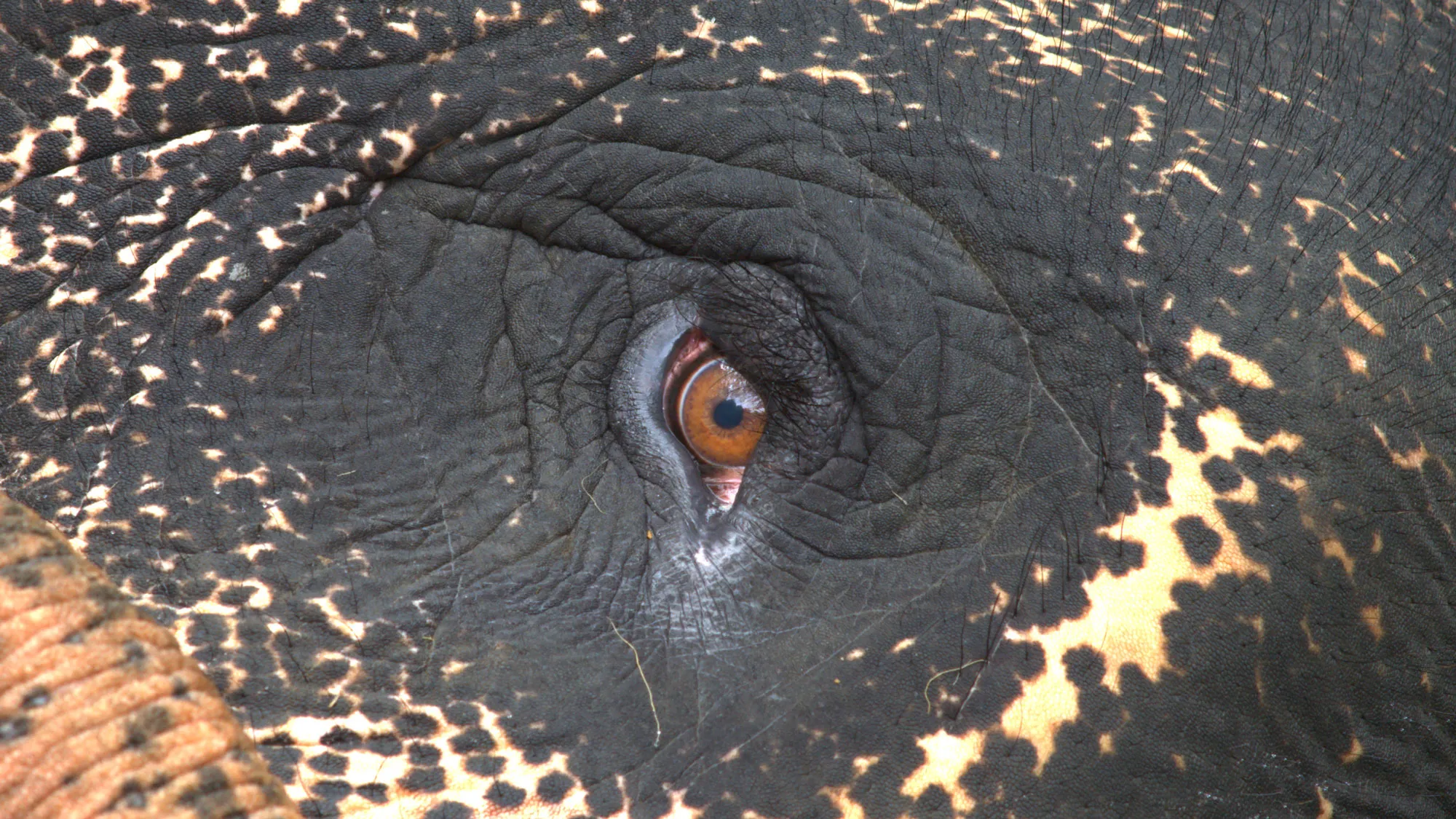
A tight shot of the eye of an elephant.

Sanctuary

Carlos Casas, Chris Watson, and Tony Myatt

After a devastating earthquake, Nga, an old elephant and probably the last of his kind, and Sanra, his mahout, embark on a journey to find the mythical elephant’s graveyard. A story of discovery and mourning in which the spectator becomes the protagonist, the film follows the duo as they are stalked closely by a group of poachers, who begin to die one after another under mysterious circumstances. 

Carlos Casas’s Sanctuary offers a mesmerizing sonic and visual cinematic environment that immerses the audience in the sounds, textures, and hues of the jungle. Projected on the mega-screen in EMPAC’s Concert Hall, and featuring live Ambisonics, Wavefield Synthesis, and infrasound to induce a deep sense of physical closeness with the elephant, Sanctuary presents a unique sensorial experience that collapses the boundaries between art, nature documentary, and adventure film.

Chris Watson collaborated with the bioacoustician and elephant communication expert Joyce Poole to record the acoustic sphere of elephants. Tony Myatt developed the infrasound speaker and implemented the spatial audio. Both will perform live on the speaker systems installed throughout the hall. This is the US premiere of the project, which was previously presented at the Fondation Cartier, Paris; the Tate Modern, London; and the Kunstenfestivaldesarts, Brussels.

Main Image: Eye of Nga, still from Sanctuary, Carlos Casas, Chris Watson, Tony Myatt. Courtesy of the artists. 

Image
Irene Lusztig

Irene Lusztig's YOURS IN SISTERHOOD

iEAR Presents!

iEAR Presents! Director Irene Lusztig will present her feature documentary YOURS IN SISTERHOOD at EMPAC Studio Beta on Wednesday March 27th at 7pm.

While conducting research at the Library on the History of Women in America, documentary filmmaker Irene Lusztig took a deep dive into the archives of America’s first mass-circulated feminist magazine, MS., which includes a collection of letters to the editor from 1972-1980. Using these letters as her guide, Lusztig went to the locations from which they were sent and worked with local participants, having performers reread the letters. What results is YOURS IN SISTERHOOD, a film about feminisms of yesterday and tomorrow, and about the human voice and our desire to be heard

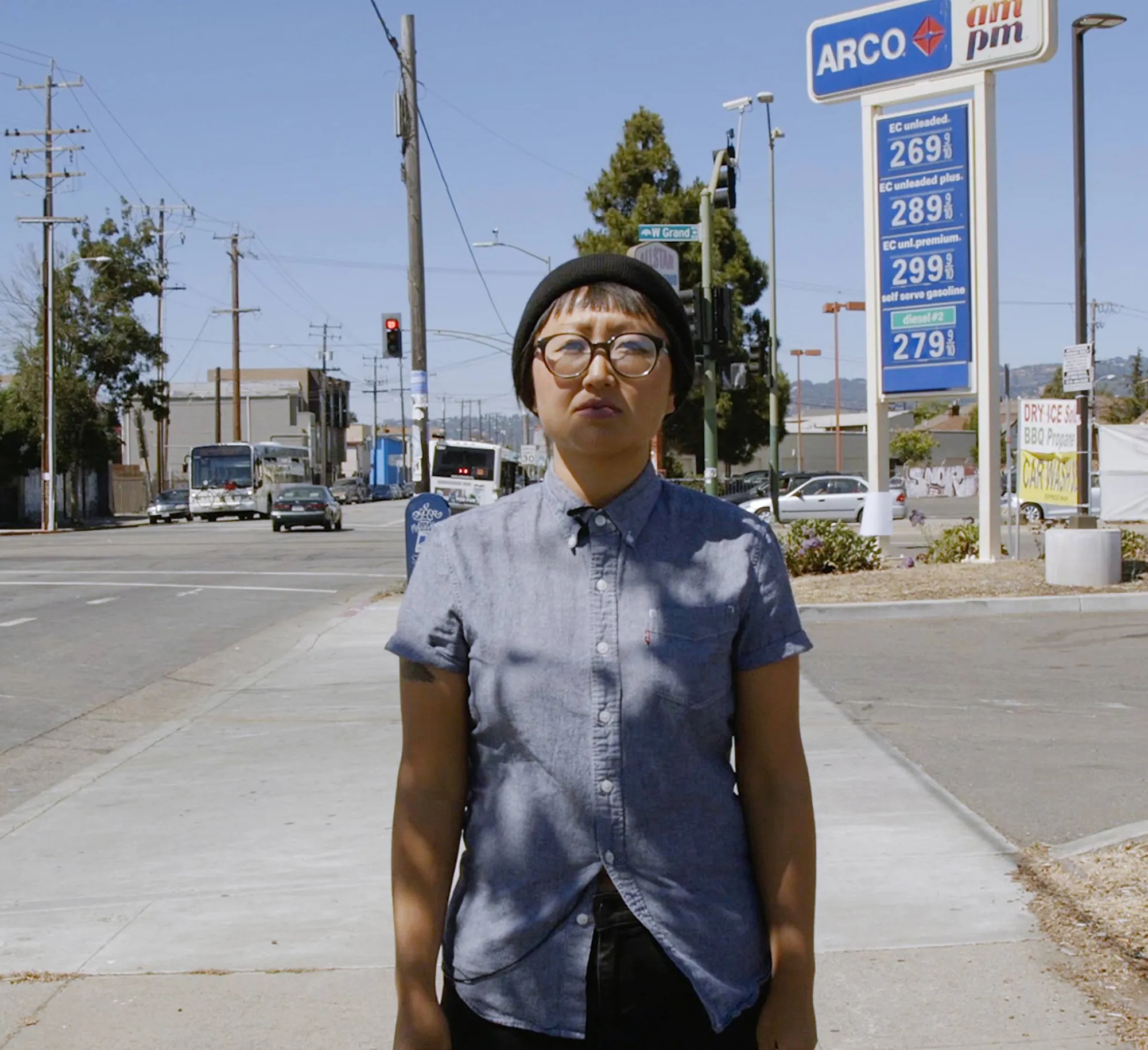
Main Image: Irene Lusztig. Photo: Courtesy the artist.

Image
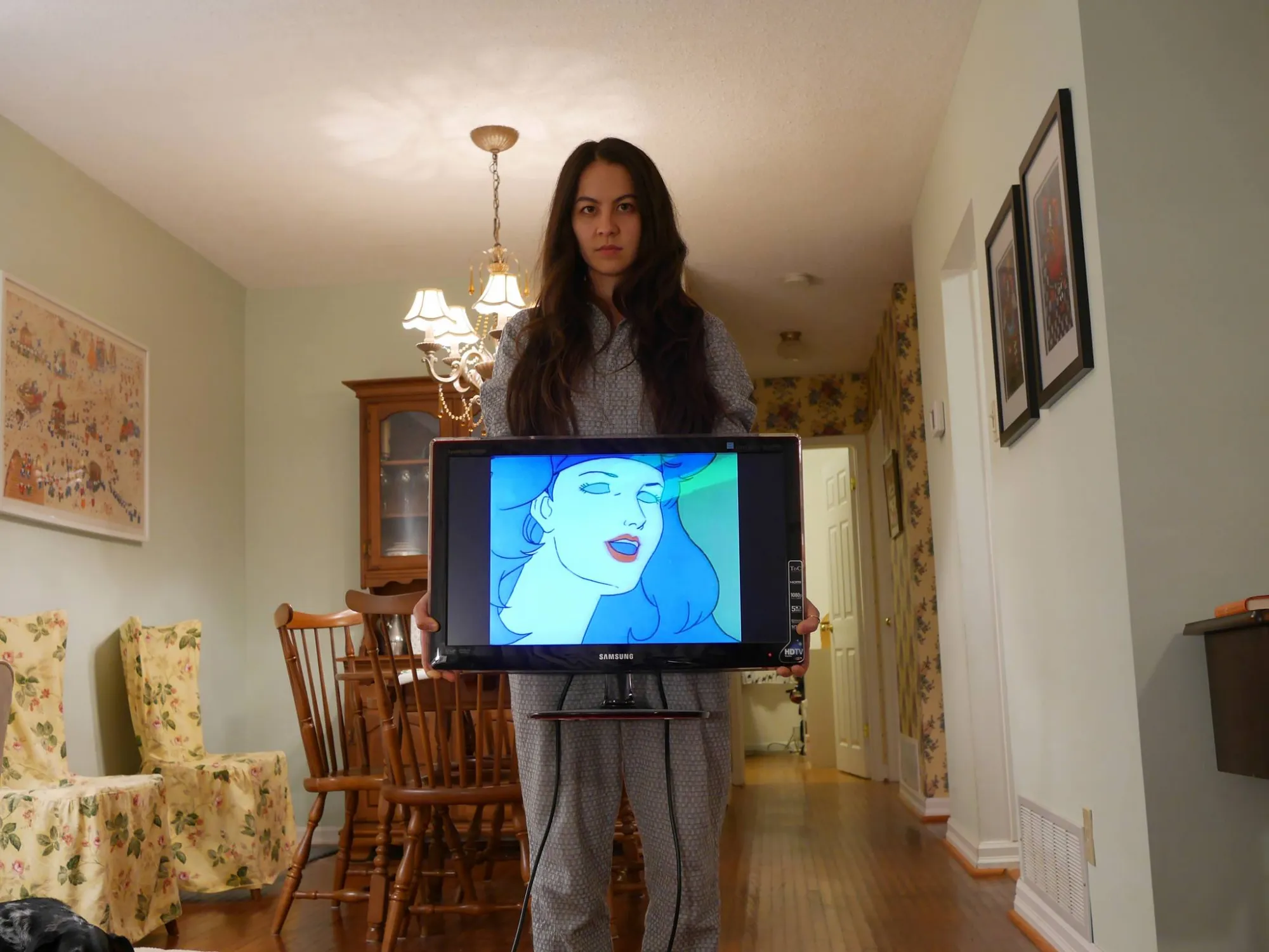
Alison Kobayashi standing in a traditionally styled dining room behind a screen showing a cartoon woman.

Alison Kobayashi

iEAR Presents!

Showing early video works and documentation from Kobayashi's highly acclaimed and award-nominated performance SAY SOMETHING BUNNY.

Main Image: Alison Kobayashi. Photo: Courtesy the artist.

Image
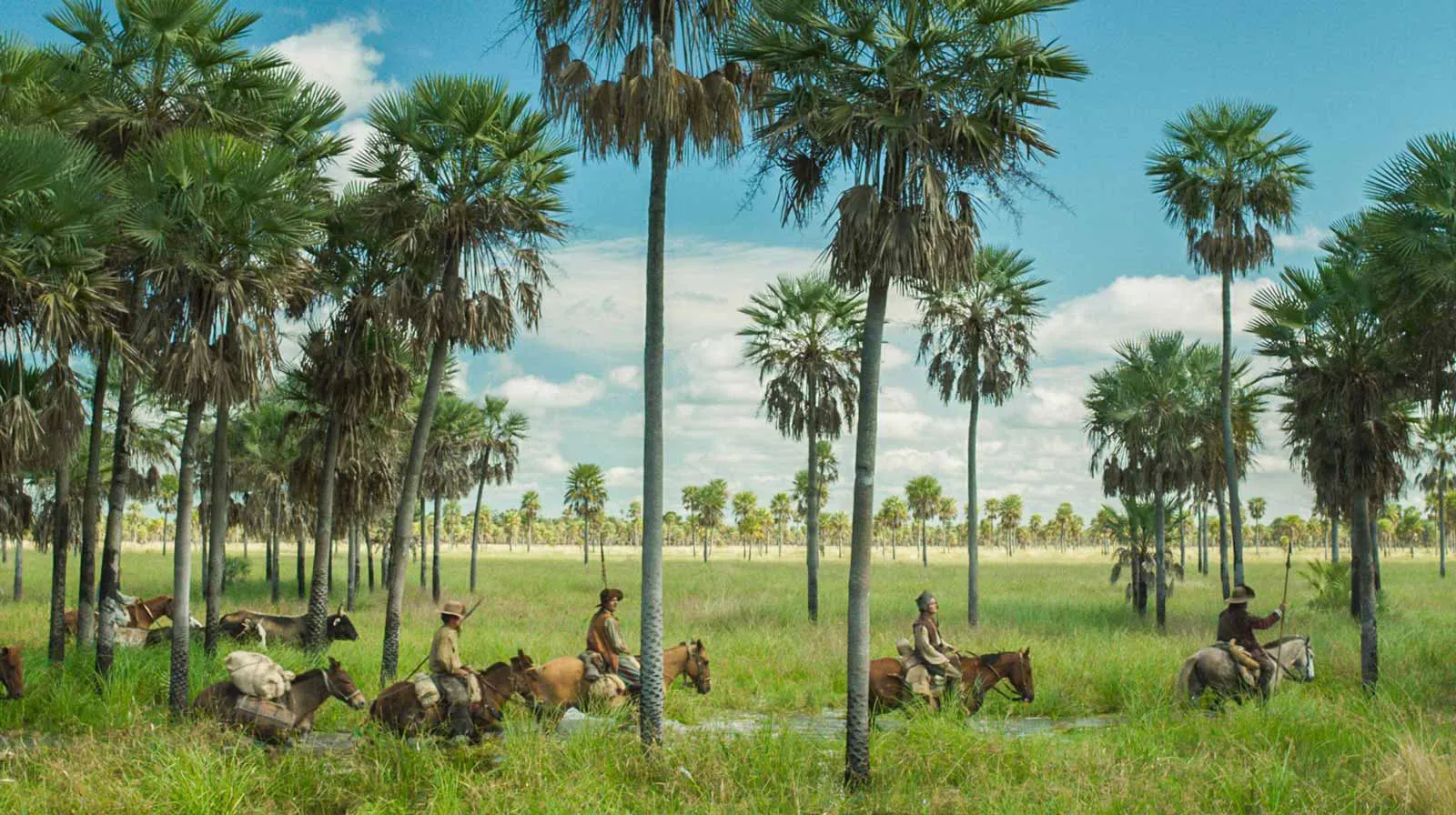
a scene of south american grasslands with four riders on horses among palm trees.

Short Shadows: Leaving Traces

Colectivo Los Ingrávidos, Lucrecia Martel, Clarissa Tossin

The second Short Shadows program brings together three moving image works that employ the surface of architecture, celluloid, and the body to make visible material traces of multiple temporalities erased by colonization and misogyny. 

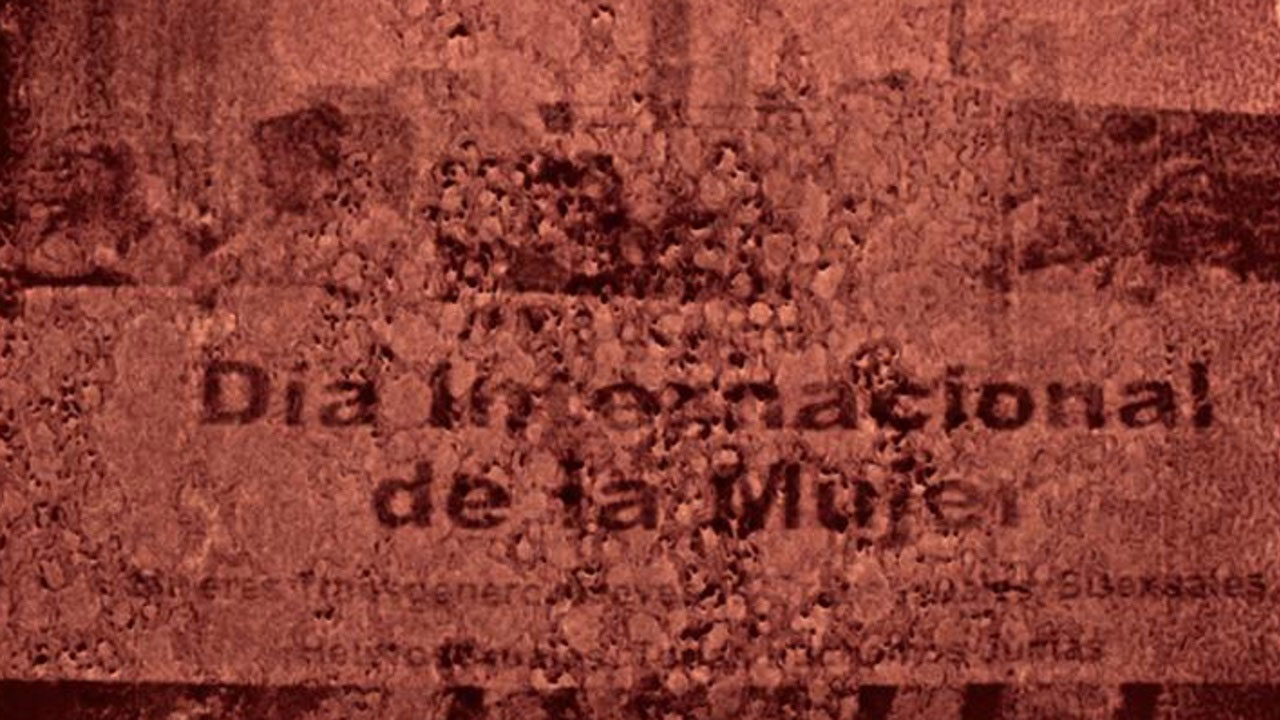
María Rivera recites her poem Oscuro over the red flickering texture of degraded 16mm film stock used by Colectivo Los Ingrávidos to capture the protest on March 8, 2017 against patriarchy and misogyny in Mexico City. Sangre Seca (Dried Blood), is exemplary of the collective’s material approach to filmmaking. By exposing political struggle onto the surface of the celluloid that, while mechanically reproduced, degrades over time, the artists mark the repetition of violence and protest across multiple timescales: Oscuro was written in 2012 in response to atrocities against women in Salvador de Atenco in 2006, the March 8th protest takes place every year, and we watch the film together in the present moment. 

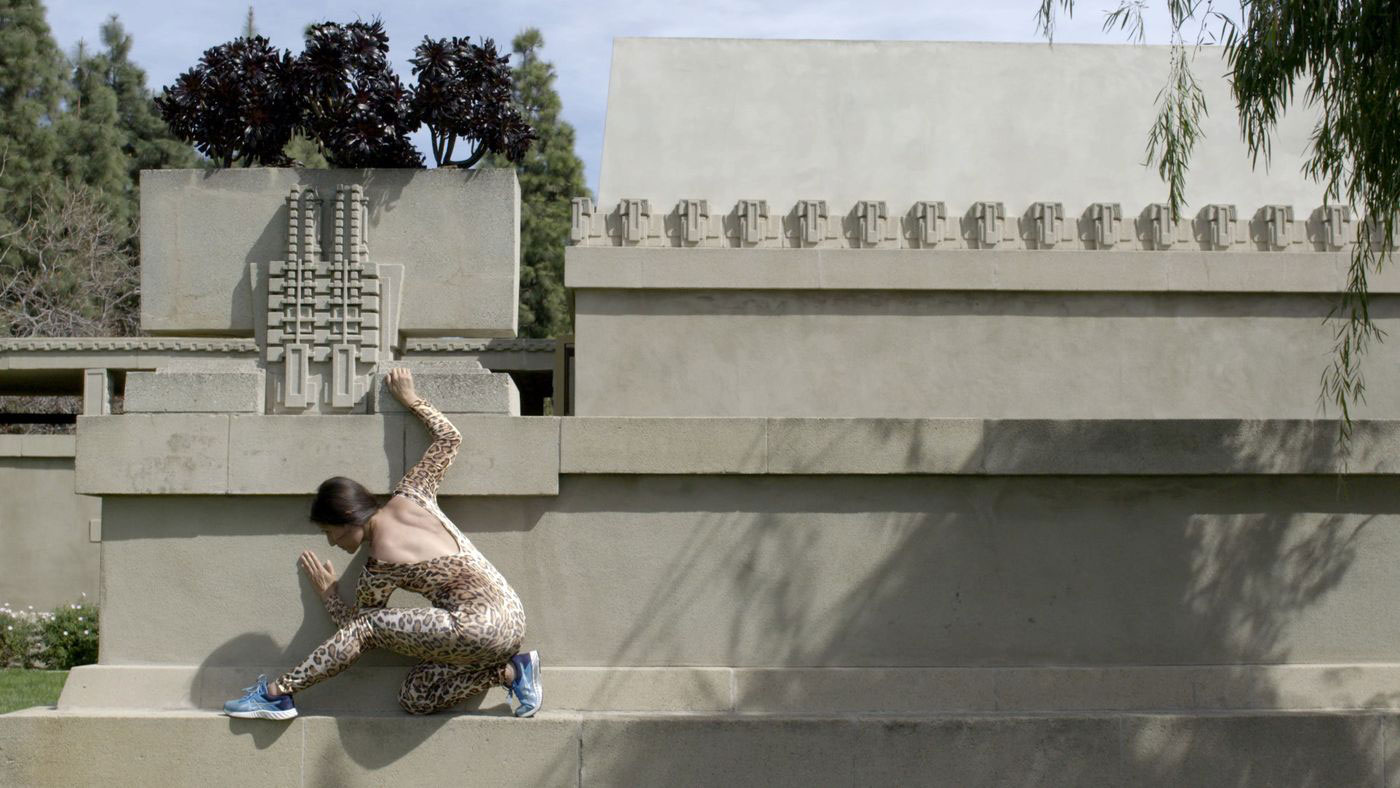
Clarissa Tossin’s Ch’u Mayaa meanwhile reveals the pervasive Mayan influence on iconic proto-Modernist American architect Frank Lloyd Wright’s Hollyhock House. Negating Walter Benjamin’s claim that Modernist architects, “with their glass and steel… created rooms in which it is hard to leave traces,” choreographer and dancer Crystal Sepúlveda moves in and out of the shadows cast by the pastiche of indigenous motifs appropriated by Wright. Choreographically based on figures ubiquitous in ancient Mayan pottery and murals, Tossin at times superimposes multiple versions of the dancer across the frame, one of many acts of “re-signification” that restores the building into the Pre-Columbian Mesoamerican architectural lineage.

Argentinian filmmaker Lucrecia Martel’s interpretation of the 1956 novel Zama by Antonio di Benedetto imagines an 18th-century South American colonial outpost. Focused on the spiraling despair of a subject desperate to prove his power within the hierarchy of Spanish colonial governance, Martel’s camera lingers with characteristic attention to detail across the architecture and landscape that increasingly imprisons Zama in a psychedelic vision of subjugation. 

Whether anchored in real or fictional scenarios, each artwork presented in the Short Shadows series stretches beyond a singular moment or place, foregrounding the political importance of unexpected historical interconnections. Mostly produced within the last decade, the artists’ films, videos, poetry, and performances presented here shine a light on cultural and historical events that may otherwise remain in shadow. 

Program

  • Sangre Seca (2018)
  • Colectivo Los Ingrávidos
  • Ch’u Mayaa (2017)
  • Clarissa Tossin
  • Zama (2018)
  • Lucrecia Martel

Main Image: Lucrecia Martel, Zama (2018). Courtesy Strand Releasing.

Media

Trailer for Zama, by Lucrecia Martel

Image
A woman wearing a cheetah print unitard and blue athletic sneakers crouching on a concrete wall.

Clarissa Tossin Ch'u Mayaa (2017). Courtesy the artist.

Image
Burgundy text on a red wall reading Dia Intergnacional de la Mujer.

Colectivo Los Ingrávidos, Sangre Seca (2018). Courtesy the artists.

Image
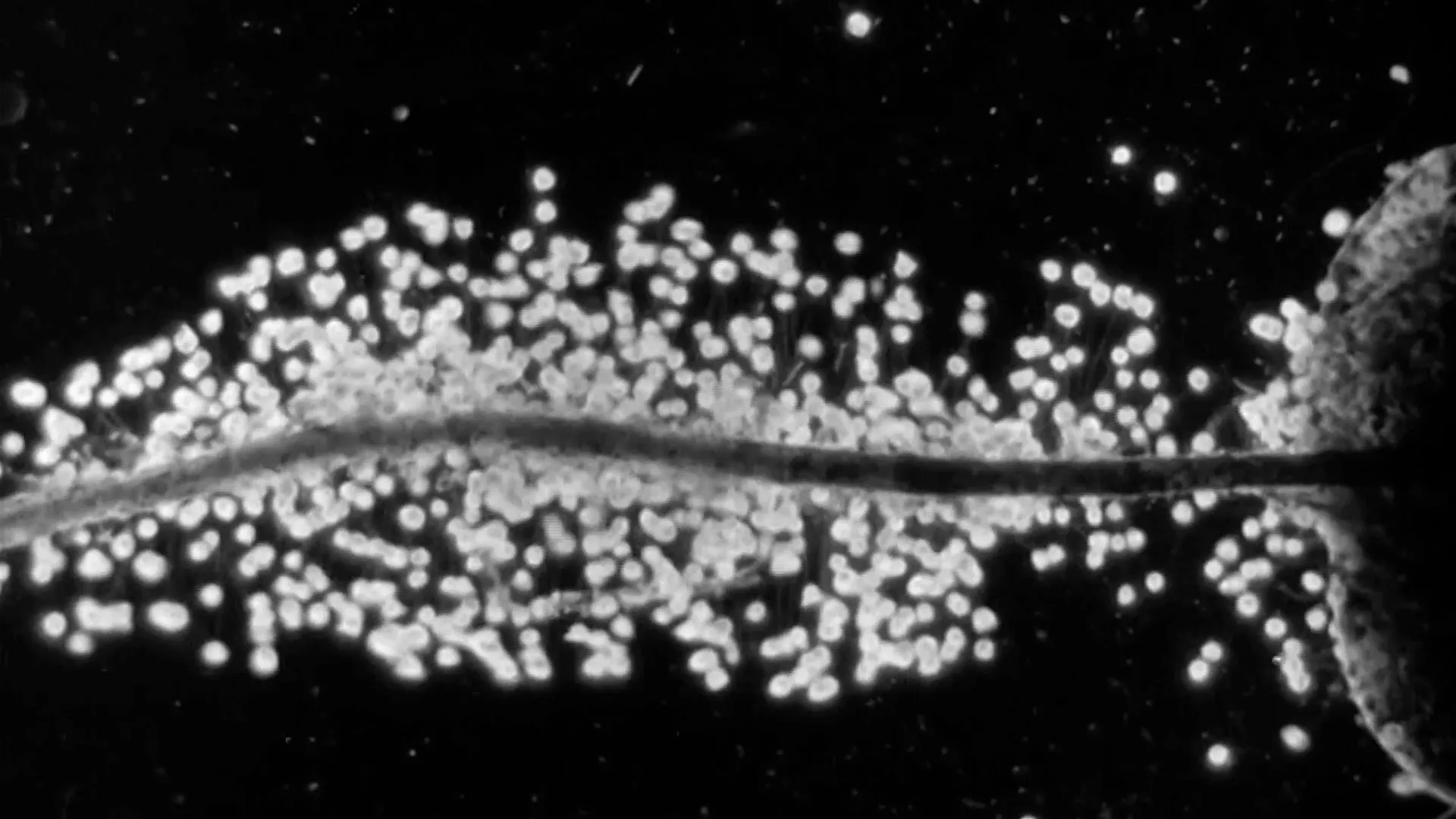
A microscopic view of a spore-like network along a main tubal.

Short Shadows: A life that is only circulations

The Otolith Group, Joyce Wieland, Juliana Spahr

The title for this episode of the Short Shadows series, “A life that is only circulations,” is borrowed from Bay Area poet Juliana Spahr’s Transitory, Momentary, a poem about loss shot through with reflections on the power of words, songs, and stanzas, set against the backdrop of the Occupy movement and the global circulation of oil and capital. Alongside a reading by Spahr, the program features two films made almost five decades apart, Joyce Wieland’s Sailboat (1965) and The Otolith Group’s I See Infinite Distance Between Any Point and Another (2012). Both films operate at the boundary between language and image, framed by the sea as a visual, poetic, and structural metaphor for exile, longing, and global circulatory connection. 

An intimate portrait of artist and poet Etel Adnan as she reads from her book Sea and Fog in her apartment, I See Infinite Distance Between Any Point and Another explores the experiential gap between the act of reading and that of being read to. The camera intimately captures Adnan, closely framed and at oblique angles, allowing space for the poetry and poet to comingle. In comparison, Wieland’s lens focuses on a distant boat. The word “Sailboat” fills the sky, naming the film’s dialogic structure in a Godardian intersection of image and language. Like I See Infinite Distance, the film is at once intimate and distanced, technical and poetic, intertwining the lived experience at the moment of capture with a universal nostalgia for what has passed across the water. 

Theorist Svetlana Boym has succinctly described such nostalgia visible in cinema as “a double exposure or superimposition of two images” that can form a durational map of geographical displacement, an ability to “revisit time like space.” Both films expand spatial displacements through words and images (each artist has experienced geographical dislocation across oceans at different moments of their lives). Thus, a sense of dislocated simultaneity is present in the structure of the films, each deliberately juxtaposing ways of communicating—image versus language or listening versus reading—to produce alternate time-scales that act together in a single image.  

Whether anchored in real or fictional scenarios, each artwork presented in the Short Shadows series stretches beyond a singular moment or place to foreground the political importance of unexpected historical interconnections. Mostly produced within the last decade, the artists’ films, videos, poetry, and performances presented here shine a light on cultural and historical events that may otherwise remain in shadow. 

Program:

  • Reading of Transitory, Momentary (2015)
  • Juliana Spahr
  • Sailboat (1965)
  • Joyce Wieland
  • I See Infinite Distance Between Any Point and Another (2012)
  • Otolith Group

Main Image: The Otolith Group I See Infinite Distance Between Any Point and Another (2012). Courtesy the artist and LUX, London.

Image
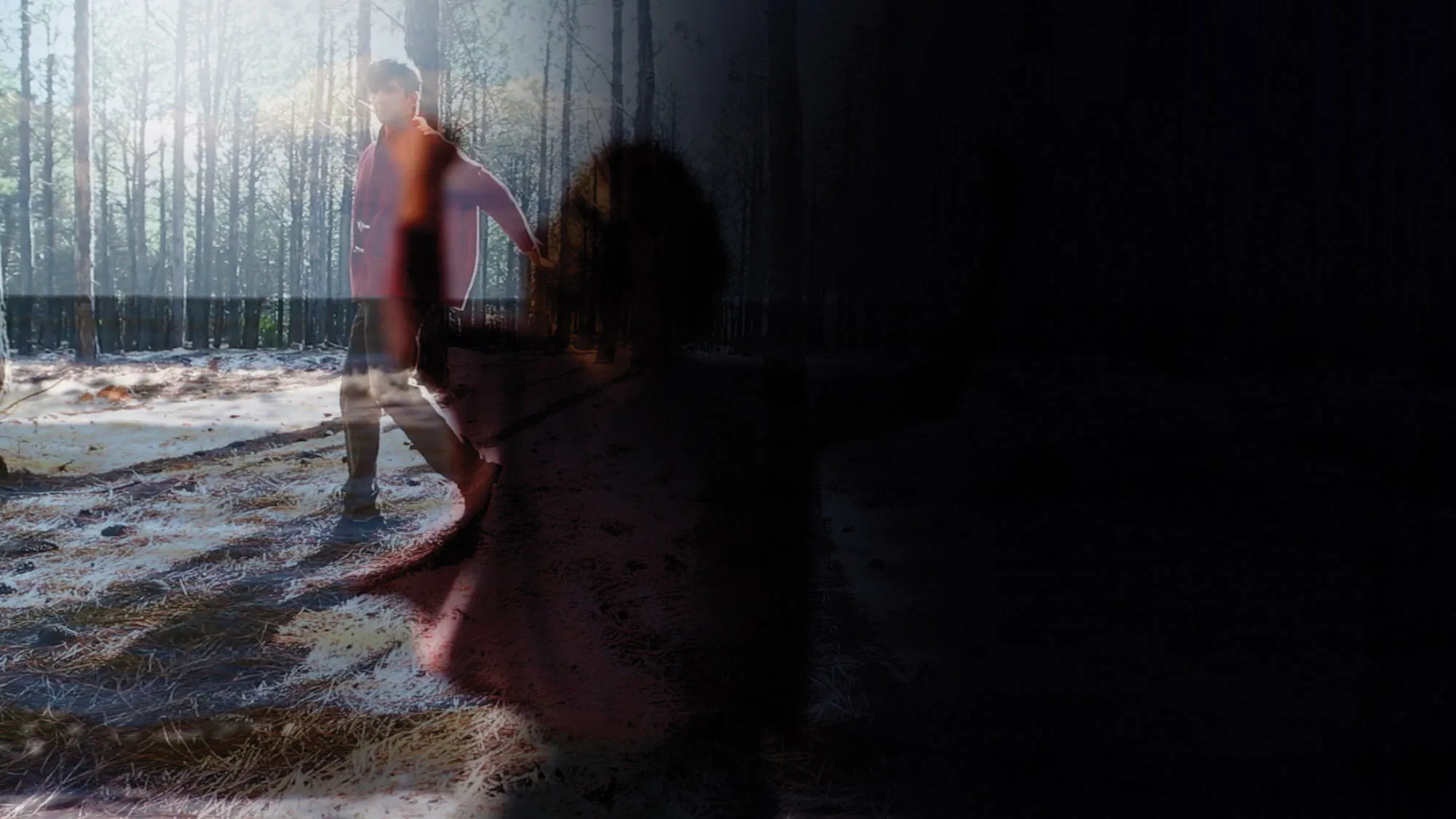
A double exposed image of a shadow of a woman reaching and a man wearing a red jacket walking through a sun dappled forest.

DANCE MOViES 2012

TAO, In the First Place...

DANCE MOViES Commissions support new works that fuse dance with the technologies of the moving image; these world premieres were followed by a panel discussion with the artists. 

TAO (11 min, Argentina, 2013) is the third collaborative dance film between Argentinian filmmaker Cayetana Vidal and choreographer and dancer Sofia Mazza. In an illusory world, two lovers living parallel lives, day for one and night for the other, with seasons inverted, only meet in the artful interlocking of image and sound. Vidal is a film director and writer who has written, directed, and edited several dance-for-the-camera projects, often in collaboration with choreographer and dancer Sofía Mazza.

In The First Place… (US, 5 mins, 2013) is comprised of 10 short films, shot in Rome, that reframe the Hypnerotomachia Poliphili (an Italian pastoral romance published in 1499). Each film is a decisive moment in which the protagonist must use landmarks to reorient himself while pursuing his beloved. The film features music by Erin Gee. A Lecoq-trained actor, Colin Gee was a principal clown for Cirque du Soleil, and the founding Whitney Live artist-in-residence at the Whitney Museum of American Art. Recent commissions have included works for SFMOMA and the Whitney Museum. He has frequently collaborated with sibling/composer Erin Gee, providing the libretto for her opera, SLEEP (2009), which premiered at the Zürich Opera House, and Mouthpiece XIII, Mathilde of Loci, Part I (2009) presented by the American Composer’s Orchestra at Carnegie Hall. 

Image
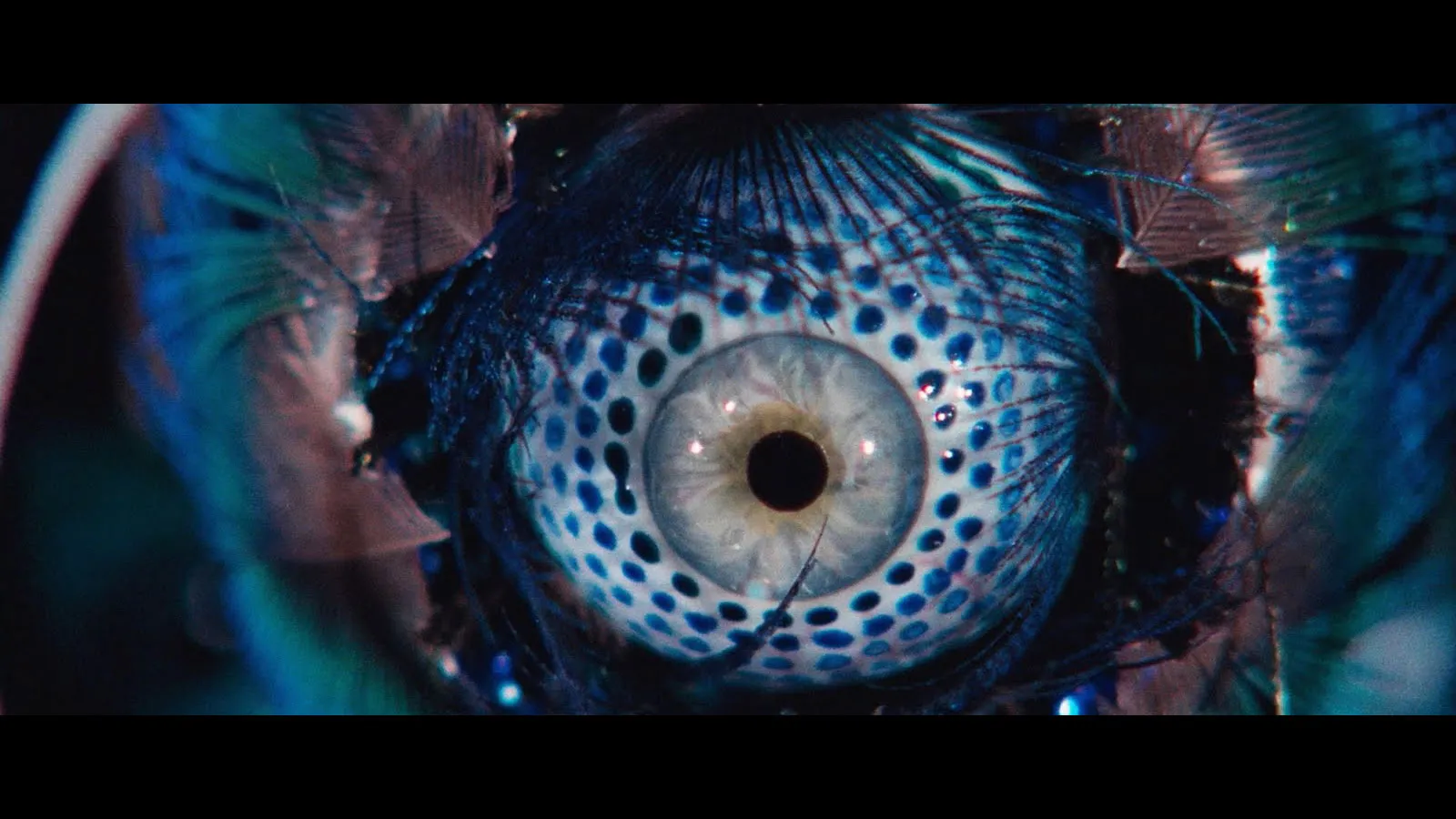
An unclose image of a blue eyeball with royal blue dots in what would be the white of the eye, surrounded by blue and brown feathers.

Shadow Play

Between Reality and Illusion

Shadow Play is a series of films that tread nimbly between reality and illusion, acknowledging the artificial nature of cinema. Referencing the tradition of shadow puppetry, the origins of cinema in phantasmagoria, and Plato’s “Allegory of the Cave,” each film draws on the metaphors of light as reality and shadow as artifice.

In Plato’s The Republic, the allegory of the cave illustrates the difference between truth and illusion. Many writers have noted that “Allegory of the Cave” (written c. 360 BCE), bears great resemblance to the contemporary movie theater.

Orson Welles narrating the Allegory of the Cave

Main Image: Film still from Holy Mountain (1973).

Art, Empathy and Animals

Emily Vey Duke and Cooper Battersby

This event is presented by iEAR Presents! and the Arts Department at Rensselaer.