Image
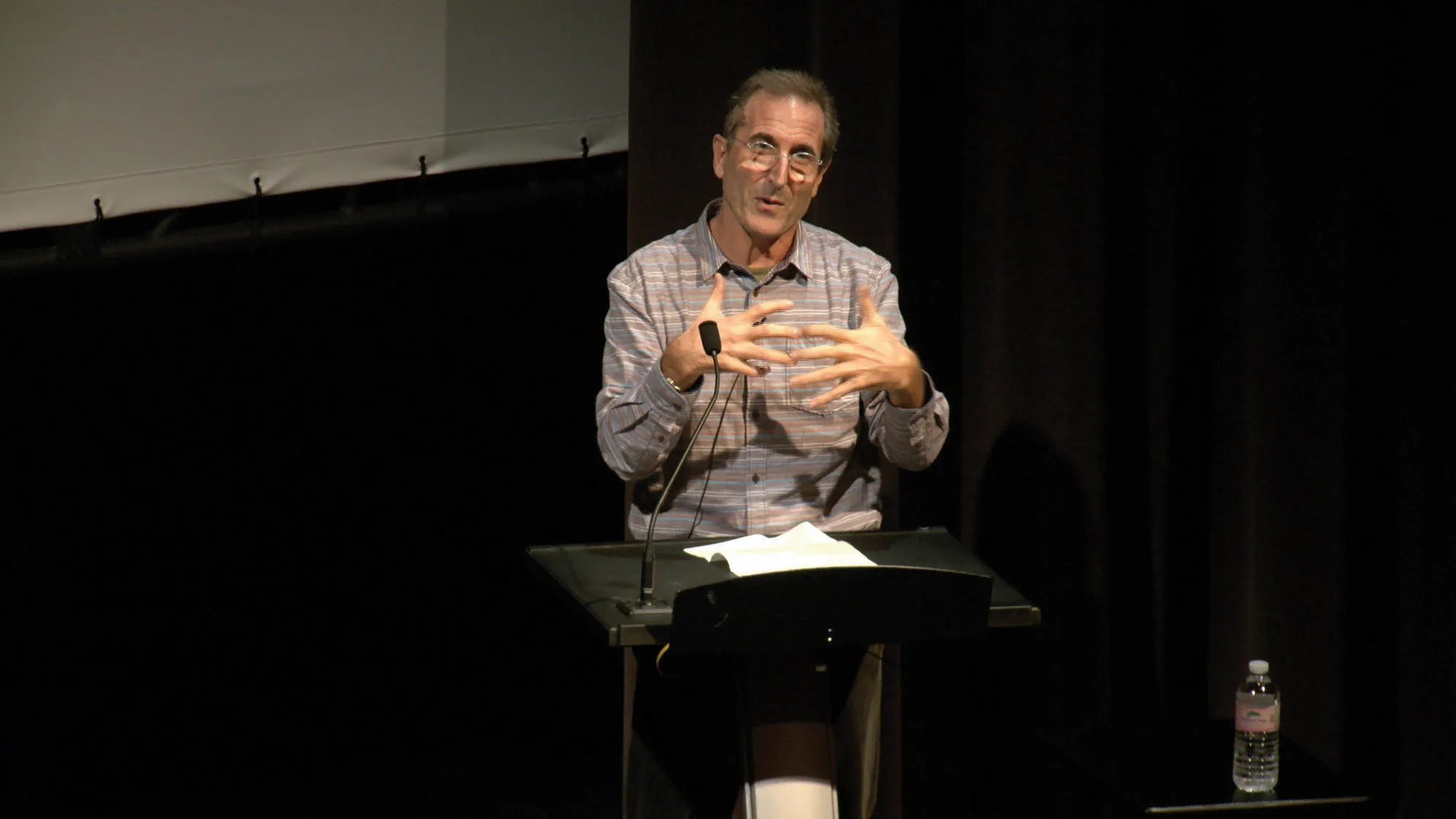
Ravi Kane in discussion.

Ravi Kane

The Design of Nanoscale Therapeutics and Nanostructured Materials

This talk will describe efforts to interface bioactive molecules with nanomaterials and nanoscale scaffolds for designing potent therapeutics and functional nanocomposites.  We are designing potent inhibitors of bacterial toxins based on the concept of polyvalency – the simultaneous binding of multiple ligands on one biological entity to multiple receptors on another.  We will describe the design and characterization of polyvalent inhibitors that are several orders of magnitude more potent than the corresponding monovalent inhibitors and are effective in vivo.  We are also investigating the structure and function of biological molecules immobilized onto nanomaterials such as carbon nanotubes.
We will describe the design of enzyme-containing nanocomposite films that are effective against antibiotic-resistant bacteria. 

Image
A group of nine people sitting around a conference table in active discussion in a dark room.

The Jaffe Colloquia

The Jaffe Colloquia is a series of exchanges that brings together small groups of artists, curators, and theorists to informally discuss ideas centered around the conditions of, and perspectives on, time-based arts.

Image
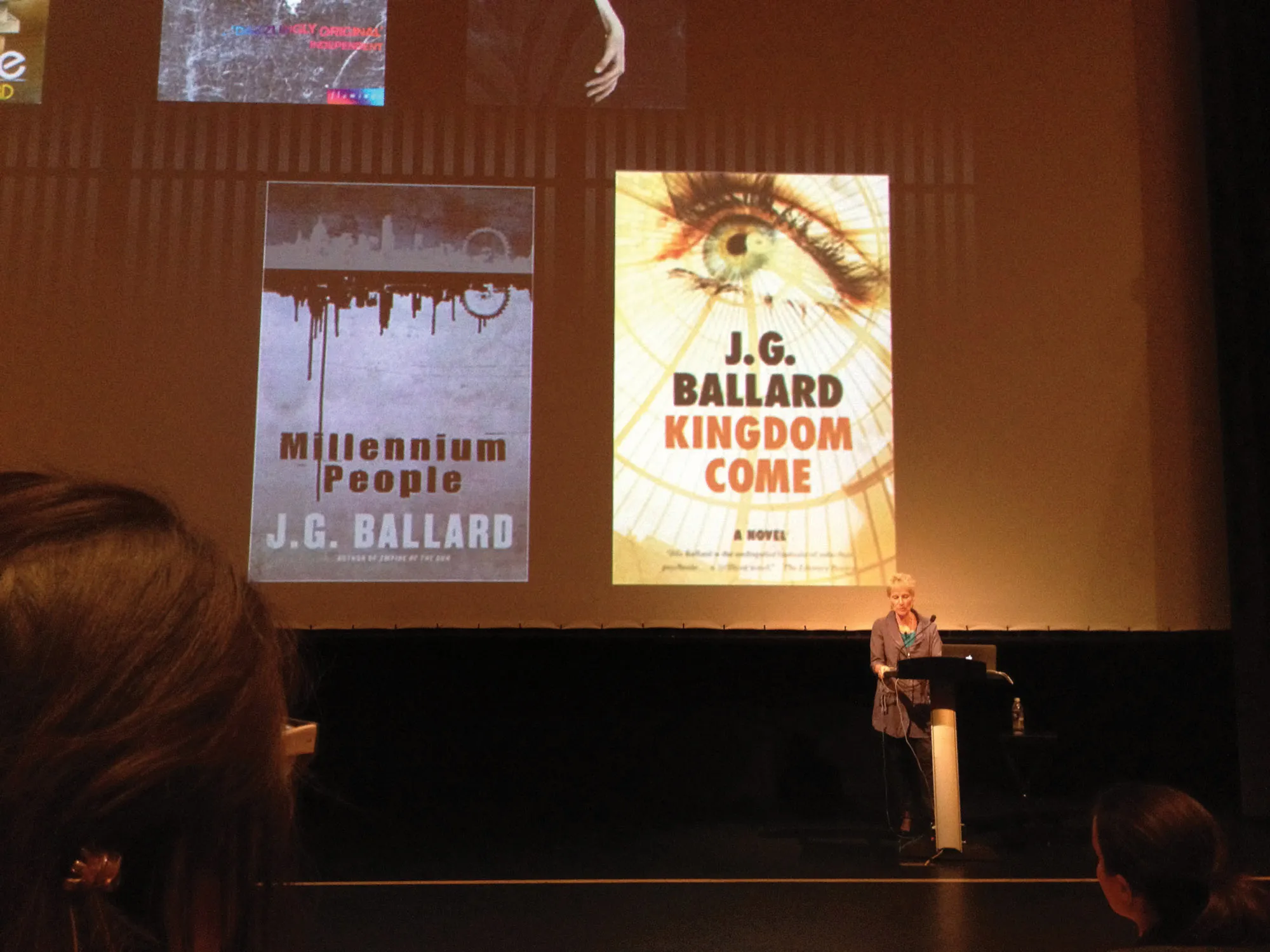
Ursula Heise on stage in lecture.

Ursula Heise

The Beautiful Violent Futures of J.G. Ballard

The novels and short stories of renowned English writer J.G. Ballard—author of Crash, Empire of the Sun, and The Atrocity Exhibition, among others—frequently depict scenes of violence through lyrical language. In this EMPAC-commissioned talk, Ursula Heise, professor of English at UCLA and founder of the Environmental Humanities Project at Stanford University, will recount examples of these violent scenes and reflect on the role the media plays in them. Heise will respond directly to Kris Verdonck’s new work, BALLARD, which can be experienced at EMPAC on September 7. She will consider what it means to transfigure these violent visions from words into an art installation.

Main Image: Ursula Heise on stage in the theater in 2013. Photo: EMPAC/Rensselaer.

Media
Image
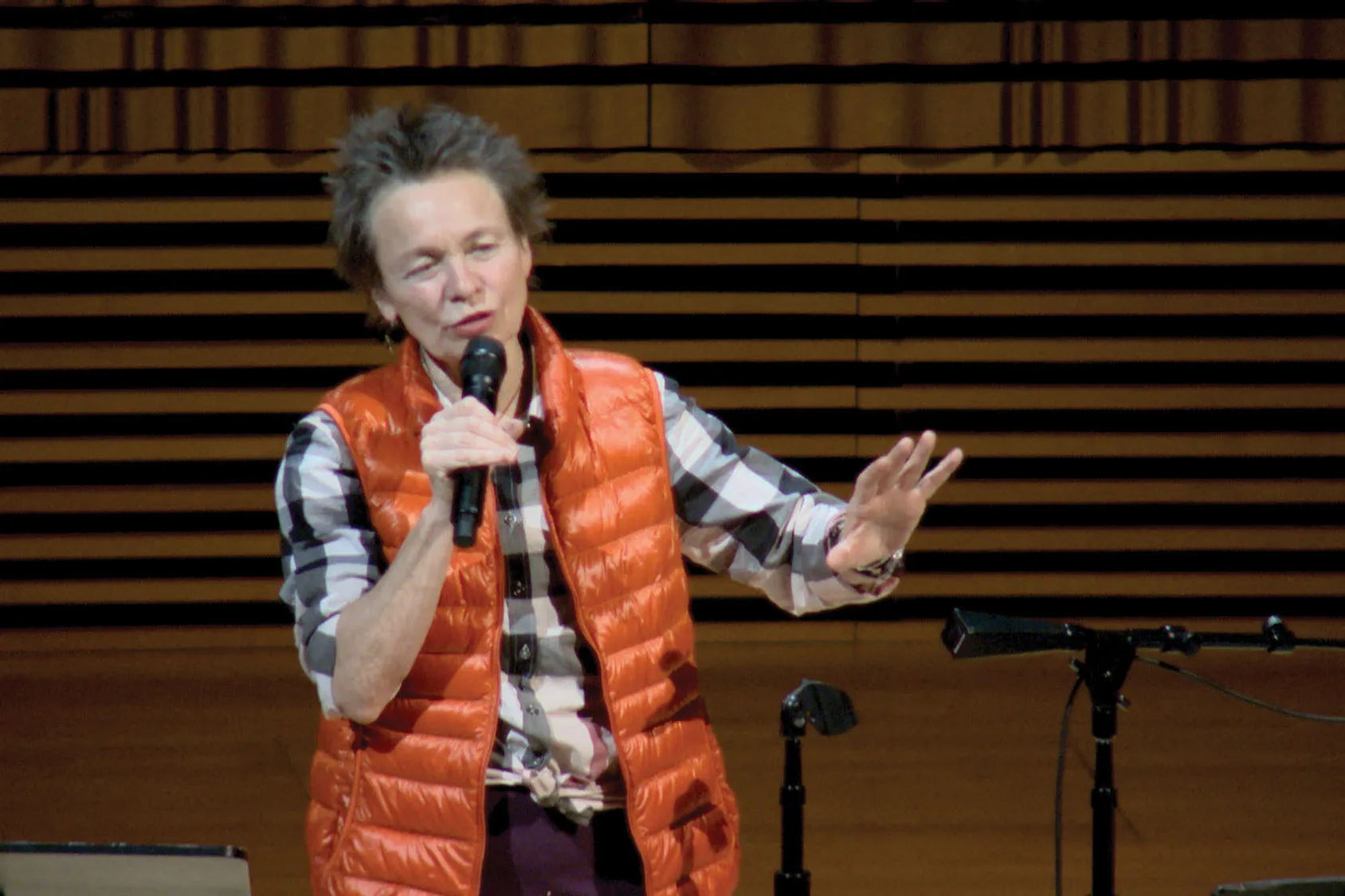
Laurie Anderson wearing a black and white plaid shirt and orange vest speaking into a microphone.

Voices

Laurie Anderson

As one of America’s foremost contemporary artists; a persistent experimenter at the intersection of performance, media, and technology; and an inventor of tools and instruments, Laurie Anderson and EMPAC’s exceptional research and production environment for adventurous new work are an ideal match.

The residency provides Anderson with wide access to space, technology, and support for creative experimentation, but just as important, brings the artist into ongoing dialogue with students and faculty at Rensselaer.

Anderson’s voice being altered through electronics—creating her alter ego—is as much a part of her work as her singing, talking, and storytelling voices. This talk explored the many voices she created over the years.

One of America’s most renowned performance artists, Laurie Anderson’s genre-crossing work encompasses performance, film, music, installation, writing, photography, and sculpture. She is widely known for her multimedia presentations and musical recordings and has numerous major works to her credit, including United States I-V (1983), Empty Places (1990), Stories from the Nerve Bible (1993), Songs and Stories for Moby Dick (1999), and Life on a String (2001), among others. She has had countless collaborations with an array of artists, from Jonathan Demme and Brian Eno to Bill T. Jones and Peter Gabriel.

Anderson has invented several technological devices for use in her recordings and performance art shows, including voice filters, a tape-bow violin, and a talking stick. In 2002, she was appointed NASA’s first artist-in-residence, and she was also part of the team that created the opening ceremony for the 2004 Olympic Games in Athens. She has published six books, produced numerous videos, films, radio pieces, and original scores for dance and film. In 2007, she received the prestigious Dorothy and Lillian Gish Prize for her outstanding contribution to the arts. She lives in New York City.

Main Image: Laurie Anderson in the Concert Hall in 2013. Video Still: Ryan Jenkins/EMPAC.

Image
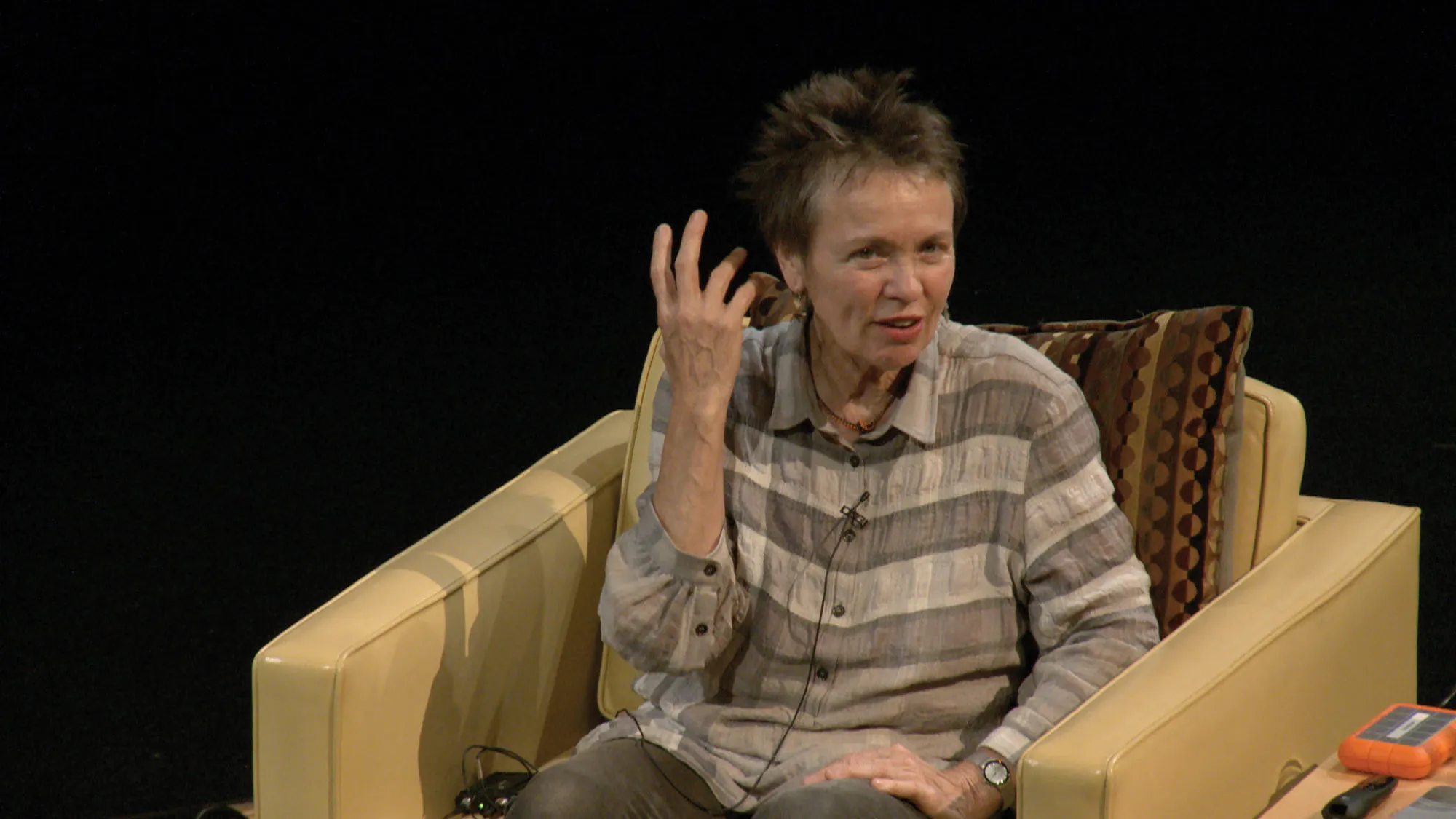
laurie Anderson

Art and Archive

Laurie Anderson

As one of America’s foremost contemporary artists; a persistent experimenter at the intersection of performance, media, and technology; and an inventor of tools and instruments, Laurie Anderson and EMPAC’s exceptional research and production environment for adventurous new work are an ideal match. The residency provides Anderson with wide access to space, technology, and support for creative experimentation, but just as important, brings the artist into ongoing dialogue with students and faculty at Rensselaer.

Through examples and an exchange with EMPAC Director Johannes Goebel, she will discuss the concrete steps she takes to archive her tapes, instruments, performances, texts, films, videos, drawings, sculptures, and media—intangible and tangible.

Image
Randy Martin

Randy Martin

Dance and Finance—Social Kinesthetics and Derivative Logics

In this commissioned talk, New York University professor Randy Martin will link the movement of capital within financial markets to the history of dance.

Made in response to Bureau de l'APA’s La Jeune-Fille et la Mort, performed on October 12, Martin will draw parallels between choreographies of currency and bodily movement. Using the concept of the derivative as a key example, he will show how logics from financial markets inform social values and ultimately impact cultural production.

Main Image: Randy Martin on the theater stage in 2013. Video Still: EMPAC/Rensselaer.

Media
Image
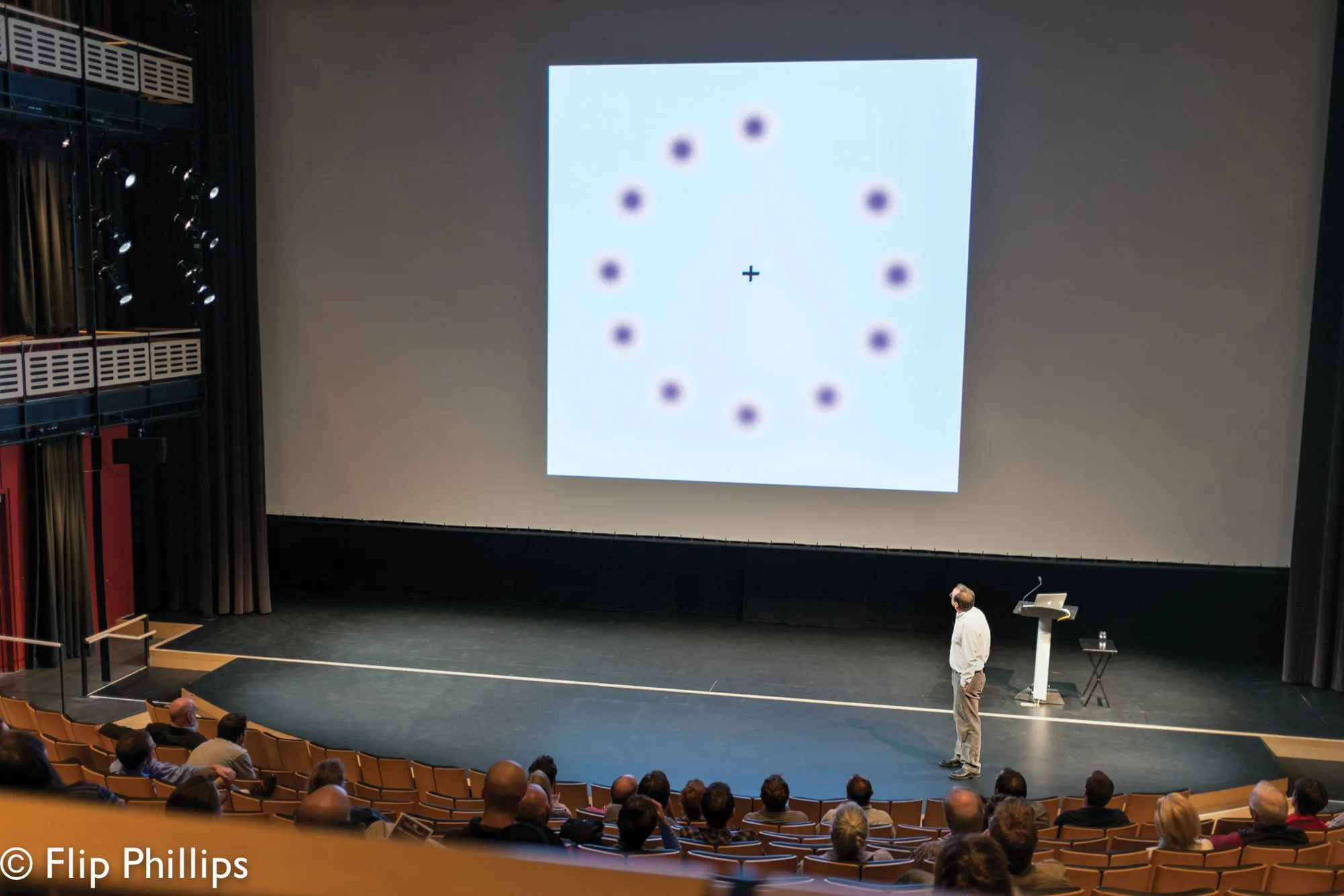
Flip Phillips in lecture.

Flip Phillips

Deconstructing Perception

In this talk, Skidmore College professor of psychology and neuroscience Flip Phillips tackles a series of questions about the nature of human perception: are the senses related, and how do they interact? What sort of “information” do we need to perceive our world? Can that information be decomposed into simpler, atomic parts? Does it need to be in order to be understood? This talk is commissioned in conjunction with Julien Maire’s lecture-performance, Open Core, presented on September 20. Maire dissects a projector, and Phillips takes apart human visual perception and its relationship to technologies for image production.

Main Image: Flip Phillips on the theater stage in 2013. Photo: EMPAC/Rensselaer

Image
Ewa Borysiewicz in lecture.

Ewa Borysiewicz

How a Sausage Dog Works

Curator Ewa Borysiewicz discusses the work of Polish avant-garde filmmaker Julian Józef Antoniszczak (1941-1987). Antoniszczak created animated films by scratching images directly onto the film, and his work is commonly associated with naïve, trashy fables and harmless humoresque. Borysiewicz screens Antoniszczak’s animations and unpacks a hidden and carefully considered political dimension in the filmmaker’s cameraless workshop. The aim of the workshop was to stimulate the creativity of viewers subjugated to oppressive social and political conditions imposed by the Polish communist state. This talk is presented in conjunction with Julien Maire’s lecture-performance, Open Core, taking place on September 20. Antoniszczak’s experimental approach to technologies for producing visual images echoes the work of Julien Maire, who similarly disassembles image-making machines to create new methods for moving images. The talk will present Borysiewicz’s research into the archive of Julian Józef Antoniszczak, and was inspired by the work and ideas of Mikhail Bakhtin and his reflections on the subversive aspects of humour and the carnivalesque.

Main Image: Borysiewicz on stage in the theater in 2013. Photo: EMPAC/Rensselaer.

Media
Image
A white man looking directly into a video monitor.

ISOS

Kris Verdonck / A Two Dogs Company

ISOS is a 3D video installation inspired by the apocalyptic science fiction novels of J.G. Ballard. Theater maker and visual artist Kris Verdonck worked extensively in residence on this installation, which focuses on the feeling of estrangement and “unheimlichkeit” (or eeriness) that arises from the tension between man and machine. Following the residency, an audience was invited to an open studio and lecture demonstration of his innovative stereoscopic filming techniques. Verdonck and his collaborators worked at EMPAC to construct precision sets, create custom lighting effects for microcosmic sets, and on a challenging 3D shoot with two high-definition cameras mounted for a bird’s-eye perspective. 

Kris Verdonck’s visual arts, architecture, and theater training is reflected in the work he creates: his creations are situated between visual arts and theater, installation and performance, and dance and architecture. 

Media
Image
David Link

David Link

Software Archaeology. On the Resurrection of Programs for the Mark 1, 1948–58

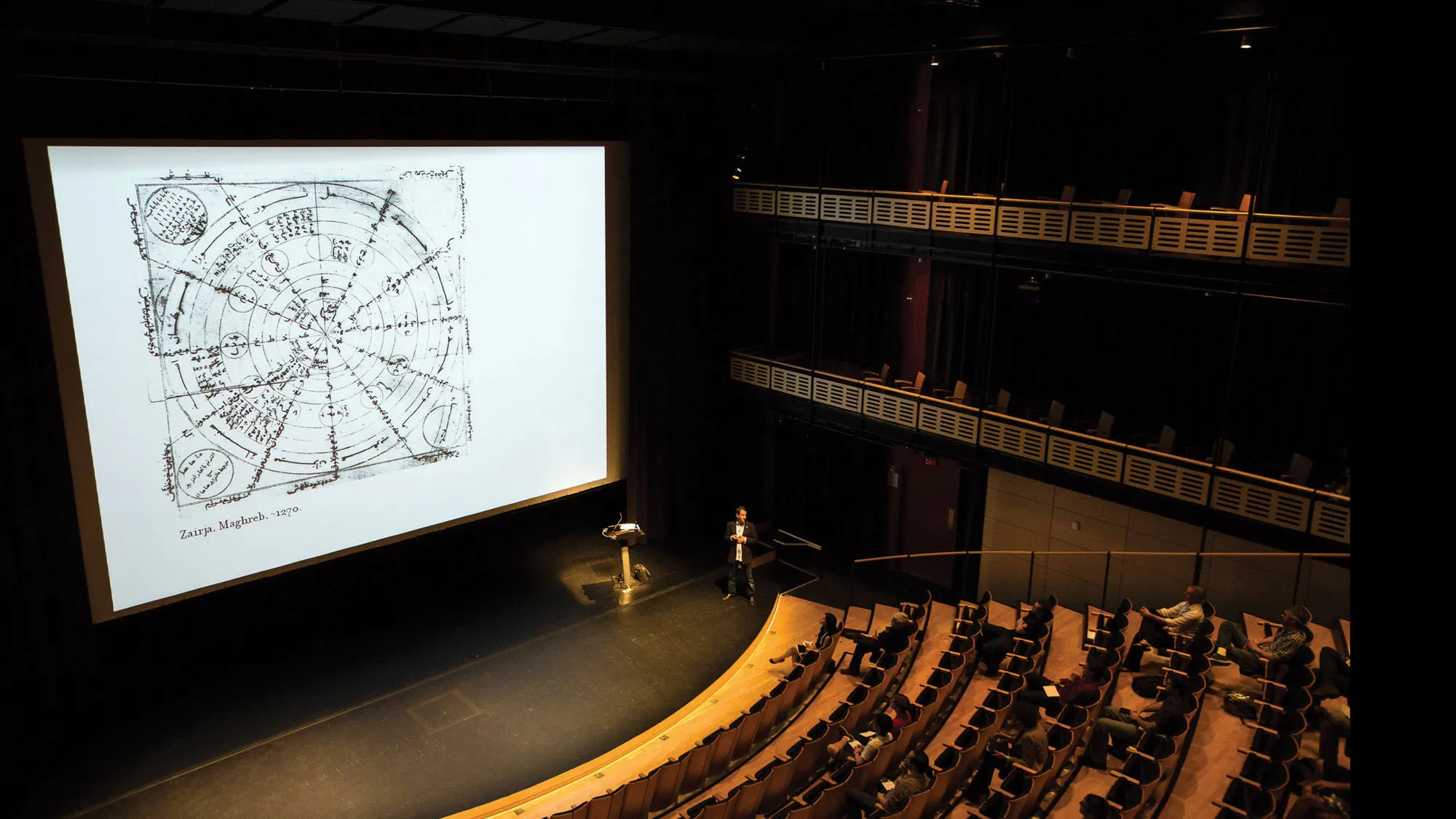
The Ferranti Mark 1 (1948–1958), the world’s first commercially available electronic computer, was used to create some of the earliest computer music and video games. This talk, by artist and media archaeologist David Link, detailed the problems and solutions of resurrecting software for the Ferranti Mark 1. 

Link’s research in the field of software archaeology, which belongs to the broader field of archaeology of algorithmic artifacts, proceeds in a theoretical and practical way at the same time. As humans increasingly problem solve through machines and software, history must also account for algorithmic artifacts. Link’s art installations and performances have been shown all over the world, and he won the 2012 Tony Sale Award for computer conservation. His current research focuses on the development of an archaeology of algorithmic artifacts. Recent exhibitions include at Arnolfini, Bristol; MU, Eindhoven; and dOCUMENTA (13), Kassel.

Observer Effects offered a dialogue between the fields of art and science. The title was derived from the principle in physics that the act of observation transforms the observed, an idea that has been influential in philosophy, aesthetics, psychology, and politics.

Main Image: David Link in the theater in 2013 during his talk.

Media