Image
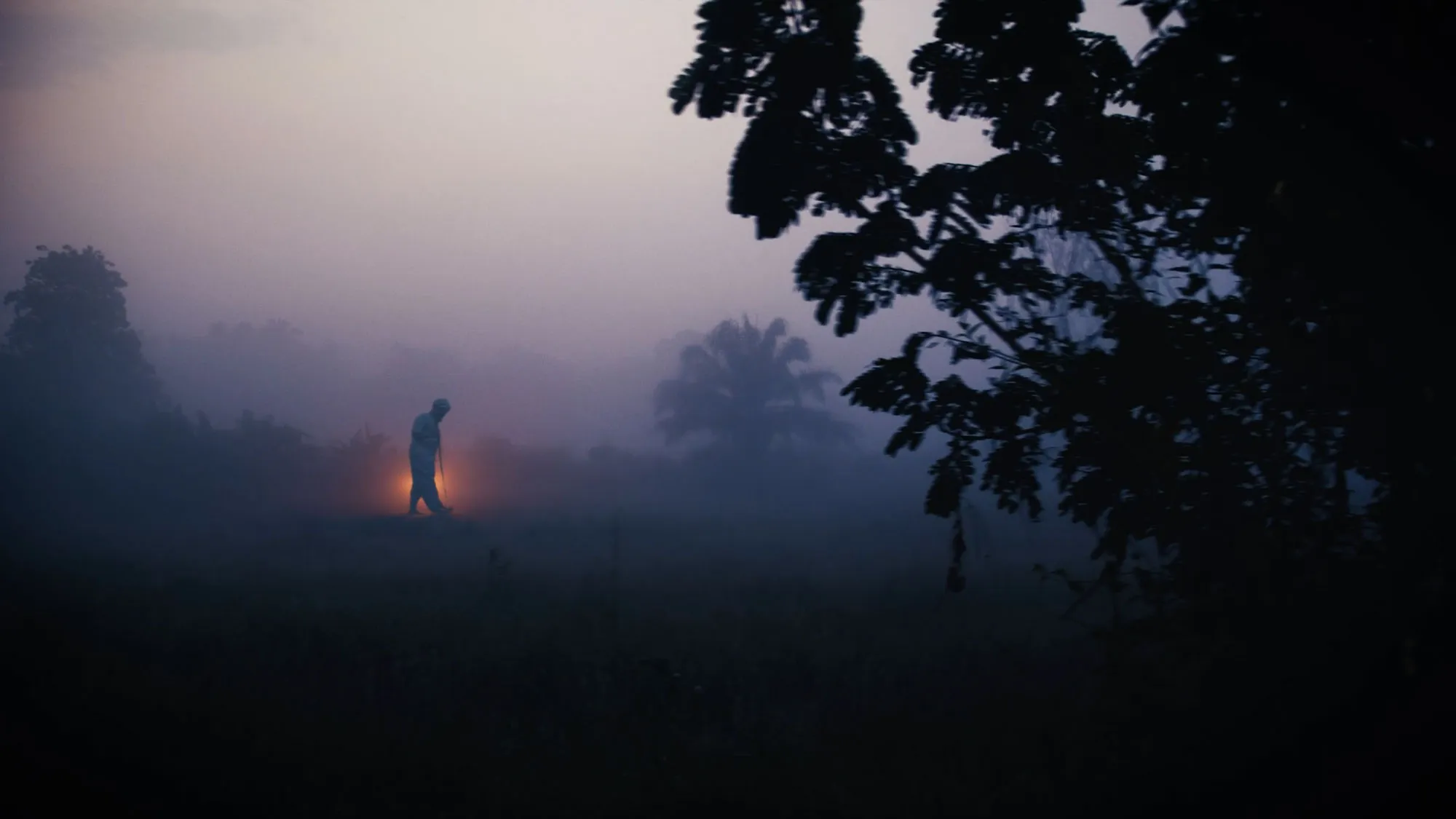
a person in a full white hazmat suit walking in a lush field

Barobar Jagtana

Suneil Sanzgiri

Suneil Sanzgiri’s vivid trilogy of short films, Barobar Jagtana, connects his father’s childhood experience at the tail-end of Portuguese occupation in Goa, India with the broader history of South Asian anti-colonial struggle. Through a distinct visual language that builds across the series (whose Konkani title is roughly translated as “continuously surviving”), the films articulate a diasporic relationship to the temporal and spatial dimensions of dislocation and memory.

Sanzgiri combines a range of media techniques to link past events to contemporary struggles with an acute sense for the potential of cinematic and digital processes to be slippery records of time and markers of place. The personal histories and collective lineages traced across the three films unspool not only through the memories of the artist’s father, but across the surface of the images themselves in a densely woven set of visual references. From his use of expired 16mm film stock, archival material, and direct animation, to 3D architectural renderings, drone footage, and composited video calls, Sanzgiri’s films defamiliarize cinematic techniques and ubiquitous digital tools alike to trace a media archeology that forges connections between solidarity movements across time. By utilizing media techniques often developed for military and surveillance operations, however, Barobar Jagtana equally explores the paradox that the very tools we use to communicate dissent across continents are also complicit in the long history and continuing presence of colonial violence itself.

Suneil Sanzgiri will be in conversation with curator Vic Brooks following the screening.

Program

  • Letter From Your Far-off Country (2020), 17'
  • At Home But Not At Home (2019), 11'
  • Golden Jubilee (2021), 19'

Main Image: Suneil Sanzgiri, Golden Jubilee, 2021, 16mm and 4k video. Courtesy the artist.

Image
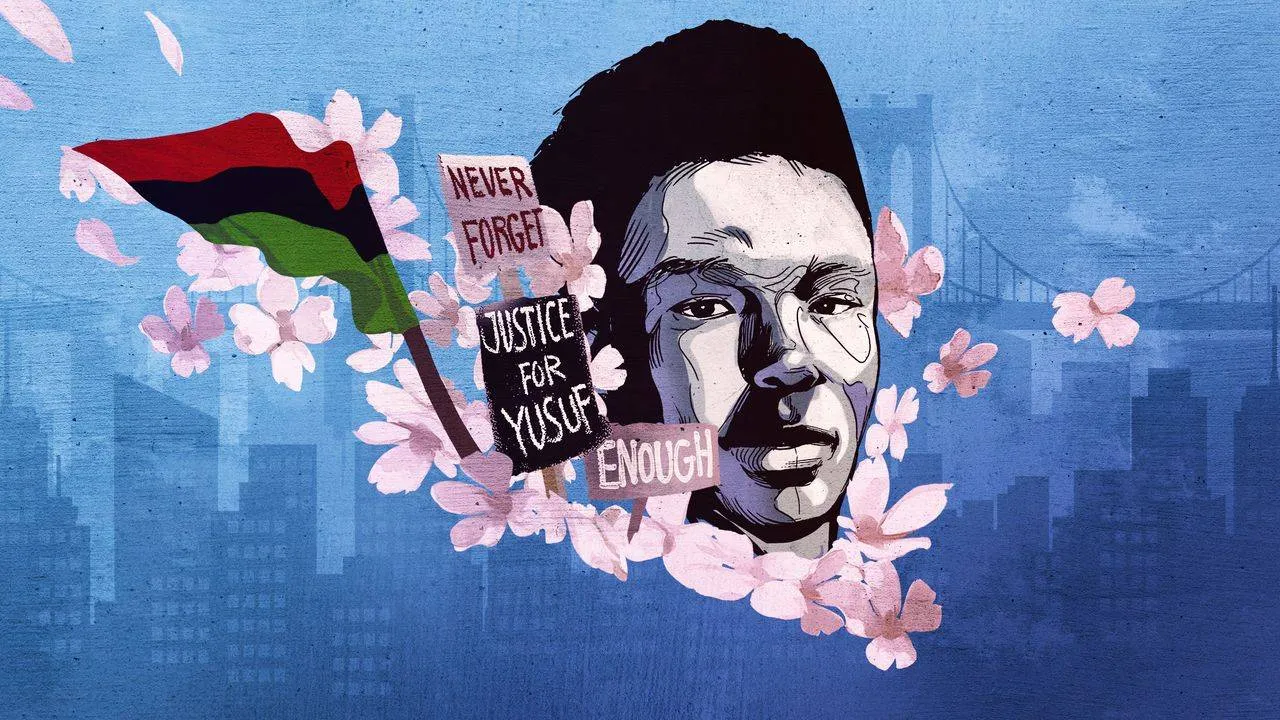
yusuf hawkins

Yusuf Hawkins: Storm Over Brooklyn

Directed by Muta’Ali

In celebration of Black History Month during our Bicentennial year, RPI's Office of Multicultural Programs presents a screening of Yusuf Hawkins: Storm Over Brooklyn, a documentary directed by Muta’Ali '01. The event, free and open to the public, will feature a Q&A with the filmmaker and will be followed by a reception in Evelyn's Café. Registration required.

Media
Image
muta'ali

Muta'Ali. Photo: Jihaad Muhammad.

Image
yusuf hawkins

An Evening with Muta'Ali

Film screening and discussion with the director of Yusuf Hawkins: Storm Over Brooklyn

In collaboration with campus-wide strategic partners, the Rensselaer Office of Multicultural Programs presents a screening of Yusuf Hawkins: Storm Over Brooklyn. The documentary is directed by Muta’Ali '01 and takes a closer look at the murder of Yusuf Hawkins in 1989. The film features interviews with Hawkins’ family and friends as they reflect on the events and the loss of a loved one. Yusuf Hawkins: Storm Over Brooklyn was released by HBO in 2020.

This event features a Q&A with the filmmaker and is followed by a reception in Evelyn's Café.

Media

Trailer: Yusuf Hawkins: Storm Over Brooklyn.

Image
muta'ali

Muta'Ali.

Jihaad Muhammad.

ἄσφαλτος — Metabolizing Time

Allie Wist

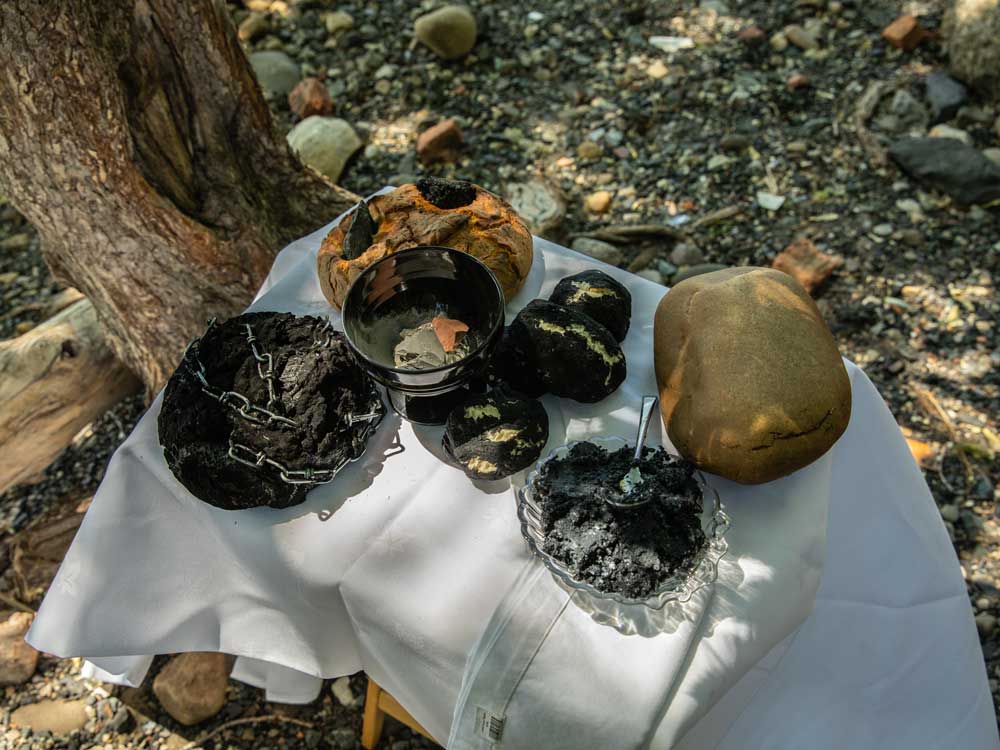
On view will be a 360-degree panoramic film and a participatory sensorium installation. The piece explores anthropocene geology and the mutual metabolism that occurs between landscapes and bodies. The artist considers toxins and materials that humans input into the earth for digestion across deep time, and how we ask our own bodies to process geologic materials (often for potential detoxification). The work situates asphalt as a kind of speculative future geology and suggests forms of intimacy with industrial detritus. The word asphalt (asphaltos, ἄσφαλτος) comes from the greek sphállō— “to fall, cast down." The installation acts as an open-ended communal feast, where guests are invited to consume edible clay and geologically-inspired foods.

small table outside set with bread, rocks, and asphalt

Image: Courtesy the artist.

Image
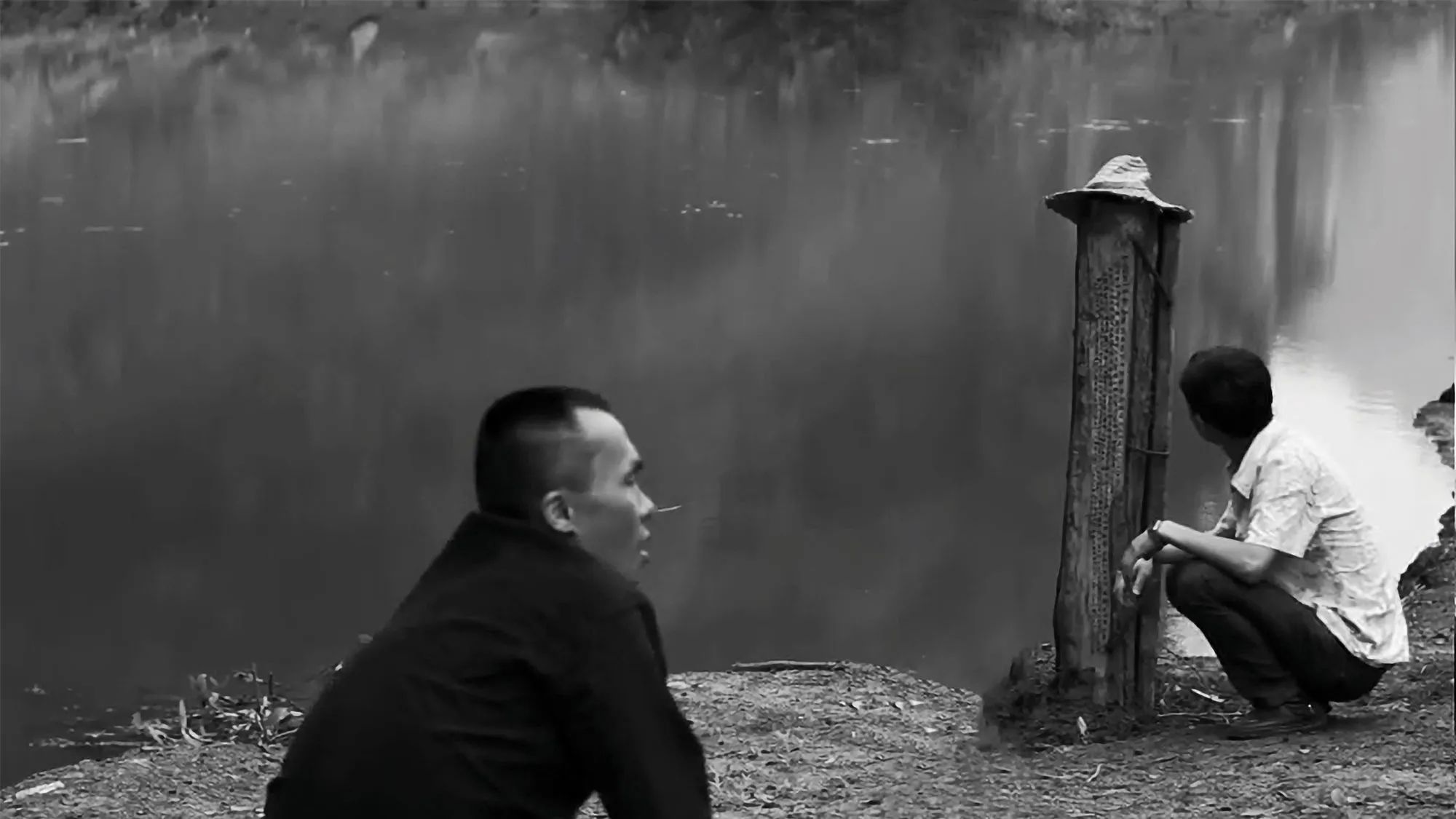
two asian men squat next to a still water body.

In Pursuit: Short Films

Basel Abbas and Ruanne Abou-Rahme, Bi Gan, Gelare Khoshgozaran, and Miko Revereza

In Pursuit features short films that track itineraries through forms of exile or statelessness. Works by Basel Abbas and Ruanne Abou-Rahme, Bi Gan, Gelare Khoshgozaran, and Miko Revereza, center forms of furtive mobility that threaten the loss of political status–chase, evasion, urgent travel, and outlawed movement. 

Following the screening program, featured artist Gelare Khoshgozaran will also present a live multimedia performance about political subjecthood and haunting in the ‘society of the archive.’

Artists Basel Abbas and Ruanne Abou-Rahme’s The Incidental Insurgents: The Part About the Bandits (Chapter 2) situates the genre-specific persona of the ‘outlaw’ as a figure that represents shrinking political agency. In Bi Gan’s dreamlike work The Poet and Singer, two men play at the edge of civil society in the Chinese countryside, their taboo actions blended with the characters’ surprisingly lyrical aspirations. Filmmaker Miko Revereza’s essayistic Distancing follows the artist’s choice to leave the United States after living most of his life undocumented. Gelare Khoshgozaran’s Royal Debris explores forms of exile and lost access through a speculative narrative constructed within the abandoned Iranian embassy in the United States.

The films’ inquiries into literal or metaphorical statelessness also affect their constructions (or destructions) of plot. The featured works foreground pursuit as a cinematic device that propels narrative, but also sets up ambiguous power relations between the forces behind the camera and the protagonists in front of it. The films use targeted, in-motion shots to capture a sense of escape and anxious transit. They also make use of poetic gestures, texts, and voiceovers to trouble conventions of genre and to draw attention to the ways in which the camera may appear to have its own motive. Here, mobility exists in terms of tactics and strategies, rather than in terms of the cosmopolitan freedom to travel.

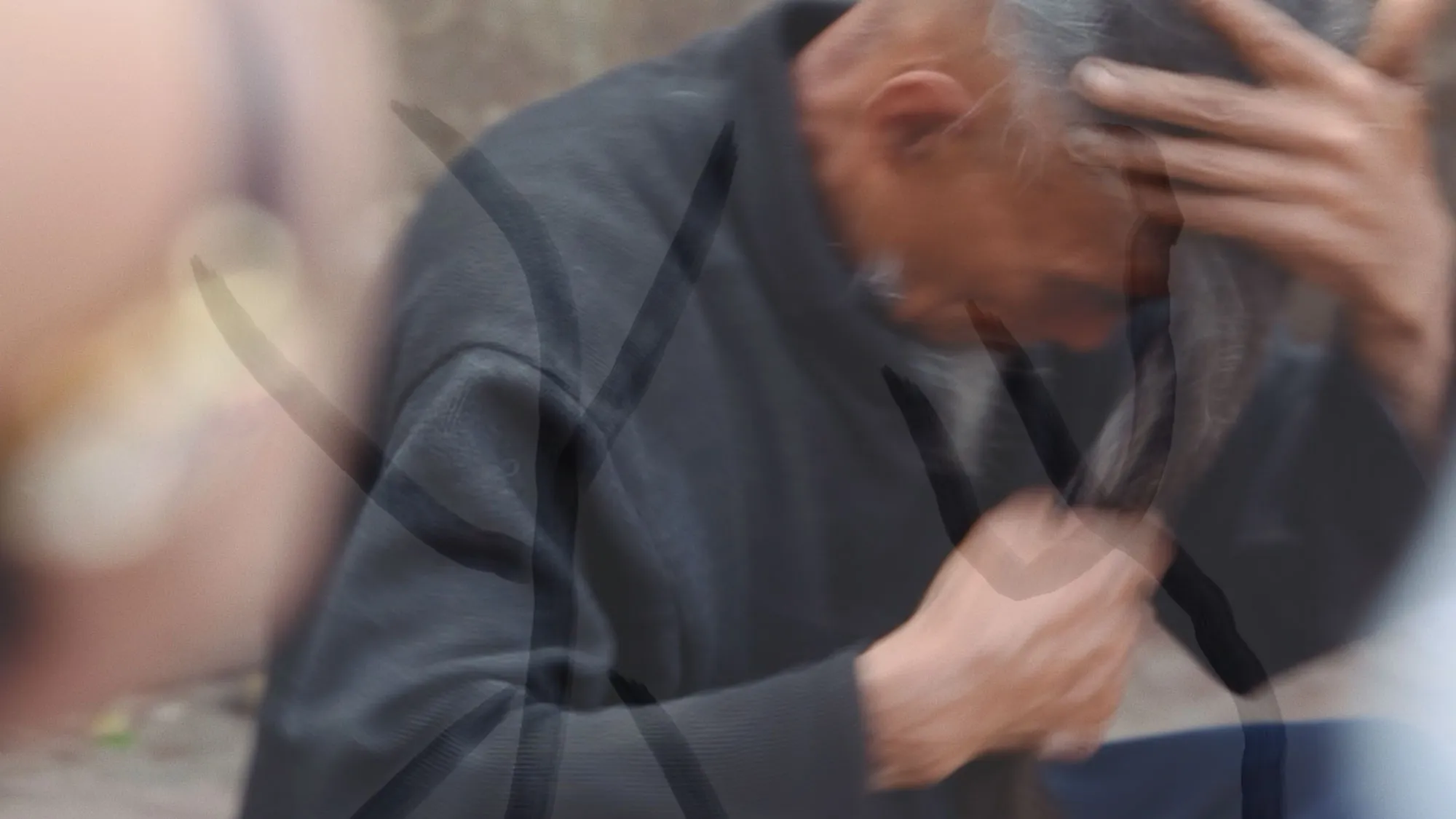
Main Image: Film still: The Poet and Singer, 2012; Directed by Bi Gan. Courtesy Grasshopper Film. 

Media
Image
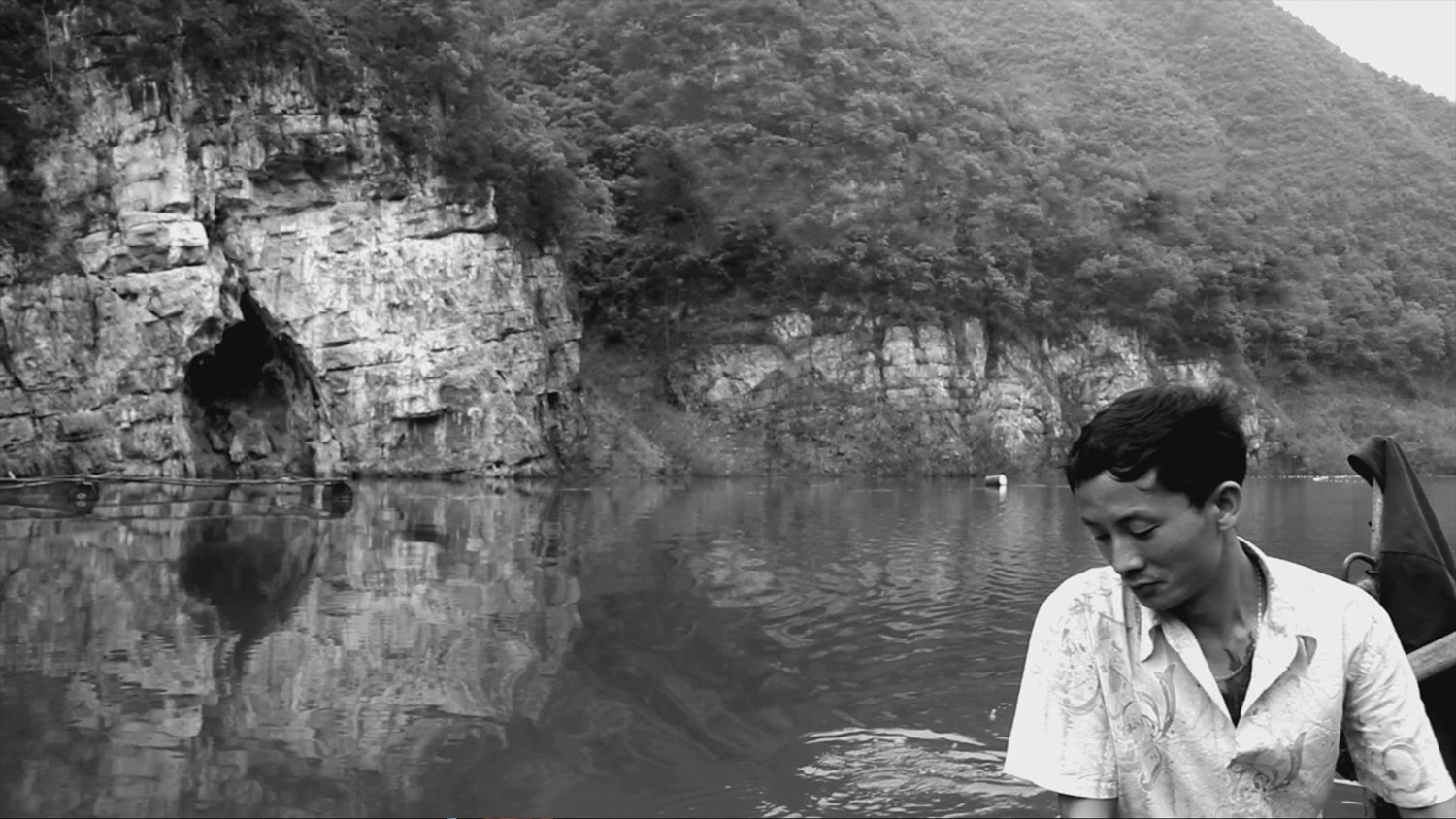
an asian person sits eyes cast down in a boat on a still lake with sheer rock sides

Film Still: Gelare Khoshgozaran, Preview of The Mystery of Violence, 2023. Courtesy the artist.
Image
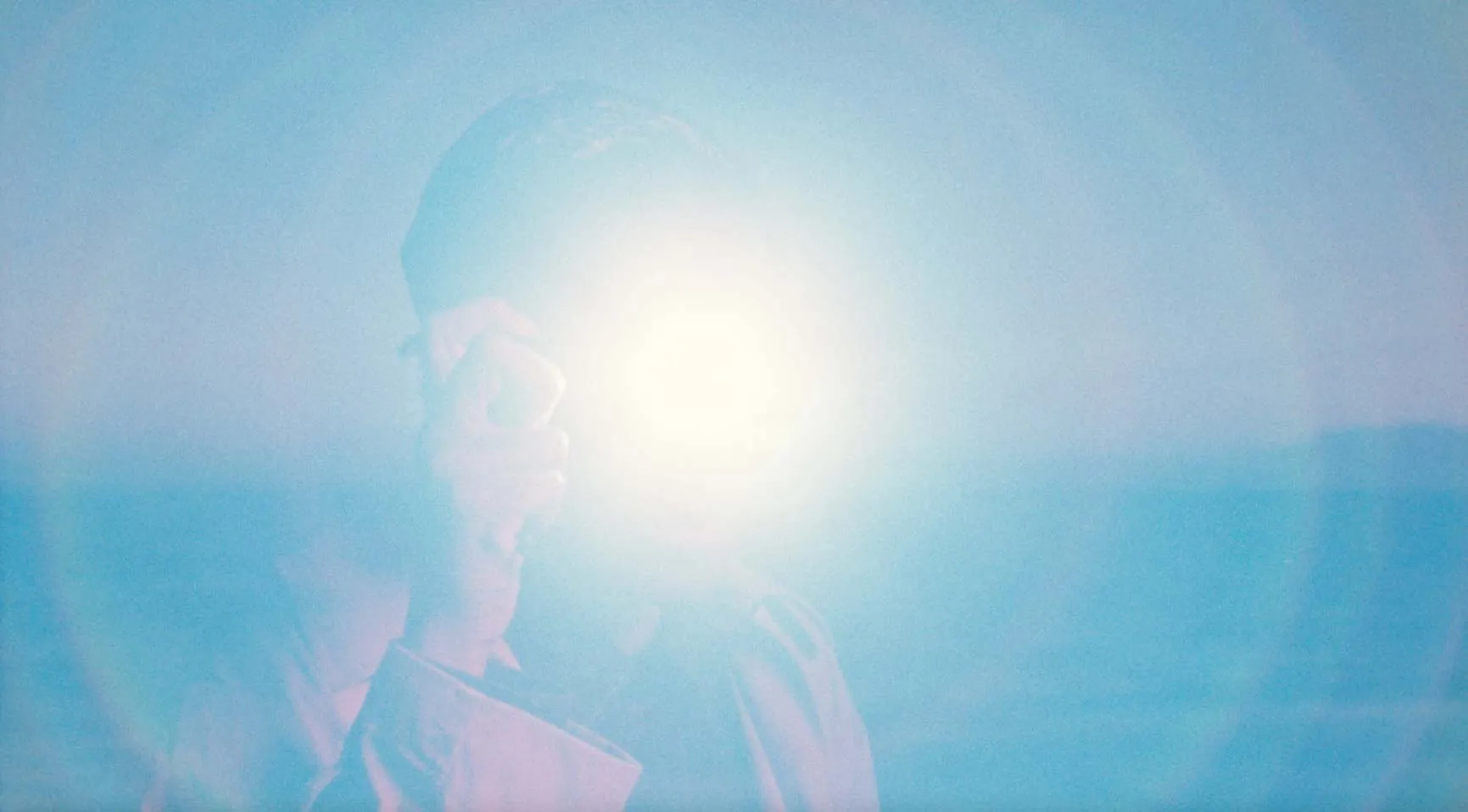
a person with a flash of blue

An Evening with Ayo Akingbade

Please join us for an evening of films and conversation with artist Ayo Akingbade.

Akingbade’s enigmatic and vividly-rendered films deconstruct systems of power with a singularly candid and genre-defying approach. Including a selection of Akingbade’s short films from the last seven years produced in the UK, Nigeria, and the US, this event foregrounds works that are exemplary of her autobiographical style. Shown together, they eloquently weave personal memory with communal history, longing with familiarity, the quotidian with the magical in an intimate program grounded in the specific rhythms of place.

Based in London, Akingbade’s award-winning films are presented world-wide, including at Cannes Film Festival, Berwick Film & Media Arts Festival, MoMA Doc Fortnight, International Short Film Festival Oberhausen, Film Society of Lincoln Center, New York, and the Chisenhale Gallery, London.

Main Image: Ayo Akingbade, Red Soleil (still) 2021. © Ayo Akingbade. Courtesy the artist.

Image
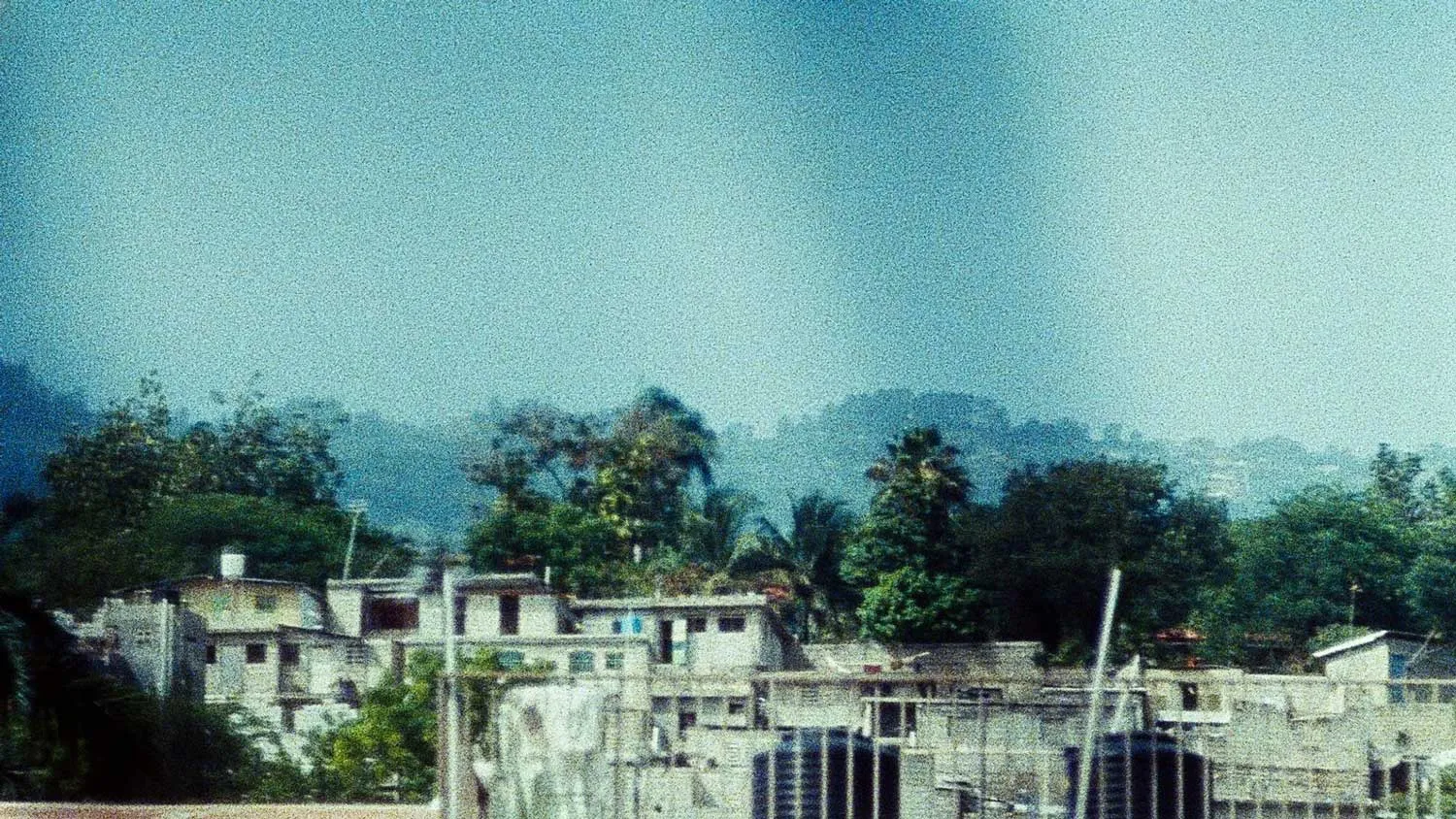
a noisy film image of a neighborhood bordering a jungle.

Break ꩜ut: UNDO Film Program

Crystal Z Campbell, Miryam Charles, TJ Cuthand, and Deborah Stratman

Presented by UnionDocs in partnership with EMPAC at Rensselaer, join us for an evening of films by UNDO Fellows Deborah Stratman, TJ Cuthand, Miryam Charles, and Crystal Z. Campbell.

The program begins with a preview of Deborah Stratman’s new film, Last Things, which traces evolution and extinction from the point of view of rocks and various future others. Last Things is followed by two works by TJ Cuthand, including Lost Art of the Future (2022) in which Cuthand talks about artists he has known who have passed while living with HIV/AIDS, and the art he wishes he had been able to see them make if their lifetimes had been longer. Miryam Charles’s Cette Maison (2022) follows its protagonist Tessa into a future that did not happen, while in Crystal Z Campbell’s A Meditation on Nature in the Absence of an Eclipse (2017-2020) an eclipse streams glimpses of irreversible consequence.

Break ꩜ut is a symposium (of sorts) that celebrates the research, writing and filmmaking of artists and writers who seek to break out of the patterns and preconceptions that dominate the documentary form. Ashon Crawley and Crystal Z Campbell, Lakshmi Padmanabhan and Miryam Charles, Jas Morgan and TJ Cuthand, and Sukhdev Sandhu and Deborah Stratman lead a series of public dialogues and screenings developed during The UNDO Fellowship over the course of two days.

The UNDO Fellowship is a yearly program that pairs four artist filmmakers with four writers to each propose a research topic inspired by the artist’s practice. Having stewed on these thorny questions in regular dialogue with the whole group of fellows over the year, the participants subsequently invite more voices to weigh in, add context, and bring new challenges to the conversation, resulting in the publication of a new volume of commissioned texts.

Main Image: Miryam Charles, Cette Maison (2022)

Media
Image
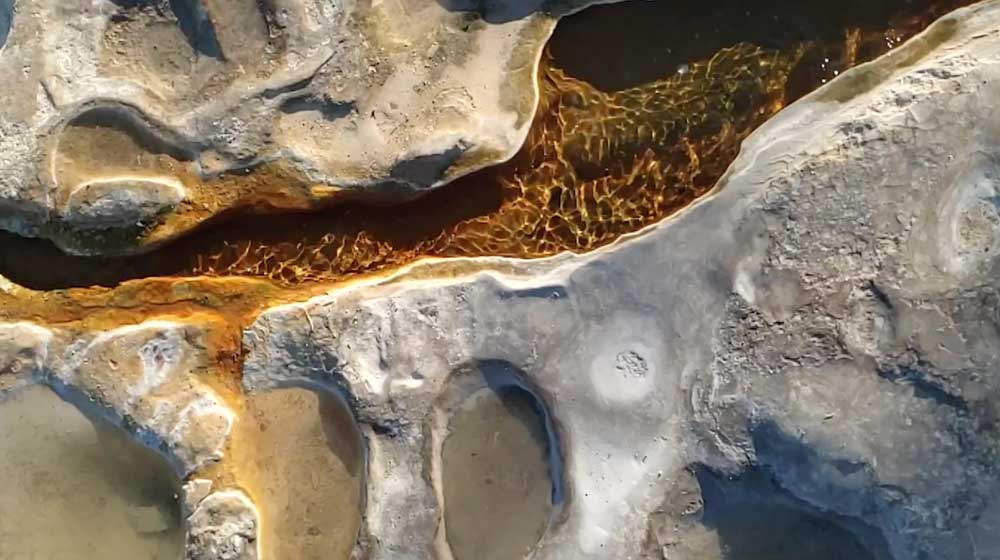
water flowing through bedrock

Crystal Z Campbell, A Meditation on Nature in the Absence of an Eclipse (2017–20)

Image
a pair of hands prepares an injection with a sharps container in bknd

TJ Cuthand, 13 Eggs (2022)

Image
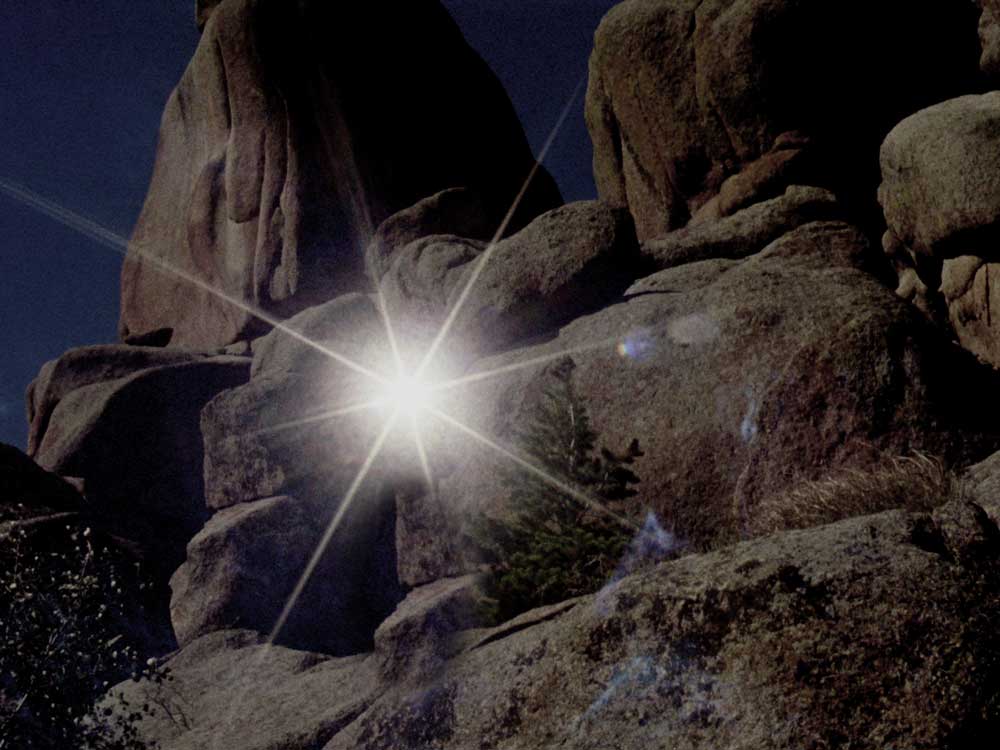
a desert cliff with a starburst reflection

Deborah Stratman, Last Things (2022)

Trailer: Geologic Listening. Courtesy of Deborah Stratman and Sukhdev Sandhu / UnionDocs

Trailer: The Site of Whispers. Courtesy of Ashon Crawley and Crystal Z Campbell / UnionDocs

Trailer: Forms of Errantry. Courtesy of Lakshmi Padmanabhan and Miryam Charles / UnionDocs

Trailer: Kinship is the Technology. Courtesy of Jas Morgan and TJ Cuthand / UnionDocs

Image
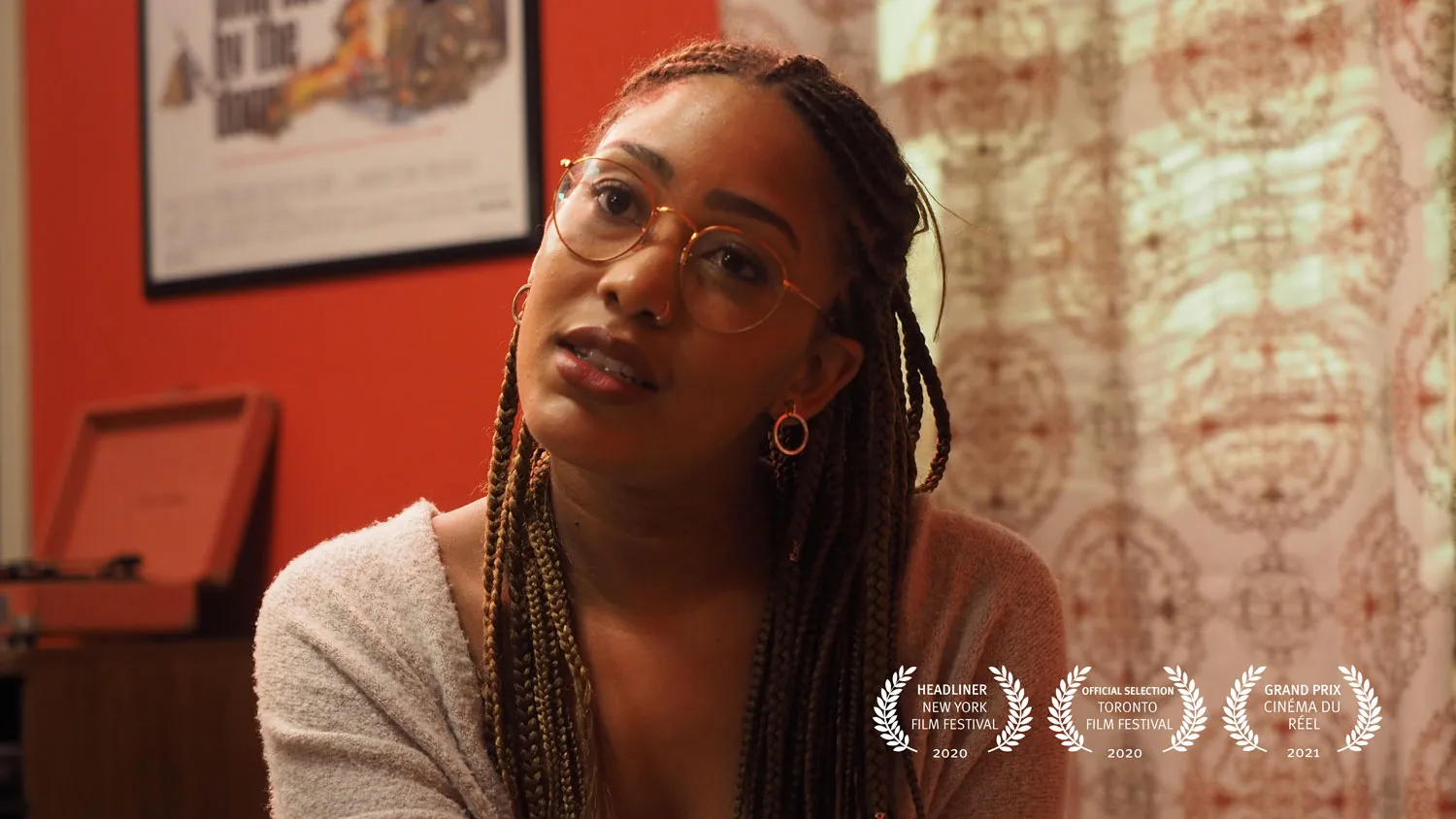
A Black woman wearing glasses and long braids looks toward the camera with head cocked in a room with red walls and patterned drapes.

The Inheritance

Ephraim Asili

Join us for a special screening of Ephraim Asili’s debut feature-film The Inheritance (2020), produced at EMPAC on a film set constructed in Studio 1—Goodman. The screening will be followed by a Q&A with the artist. 

Ephraim Asili’s The Inheritance weaves histories of the West Philadelphia–based MOVE Organization, the Black Arts Movement, and dramatizations of the life of the filmmaker when he was a member of a Black activist collective. Centering on what Asili describes as a “speculative reenactment” of his time in a West Philadelphia collective, the actors scripted lives on set are entwined with cameos by MOVE's Debbie Africa, Mike Africa Sr., and Mike Africa Jr., and poet-activists Sonia Sanchez and Ursula Rucker.

After the EMPAC preview of The Inheritance in Spring 2020 was postponed due to COVID-19 protocols, it premiered at Toronto International Film Festival and went on to screen at festivals and museums around the world including the New York Film Festival and the National Gallery of Art. The film was awarded the Grand Prize at Paris film festival Cinéma du Réel in 2021.

Main Image: Ephraim Asili, Production still from The Inheritance. Photo: Mick Bello/EMPAC.

Media

Trailer: Ephraim Asilis' The Inheritance (2020). 

Image
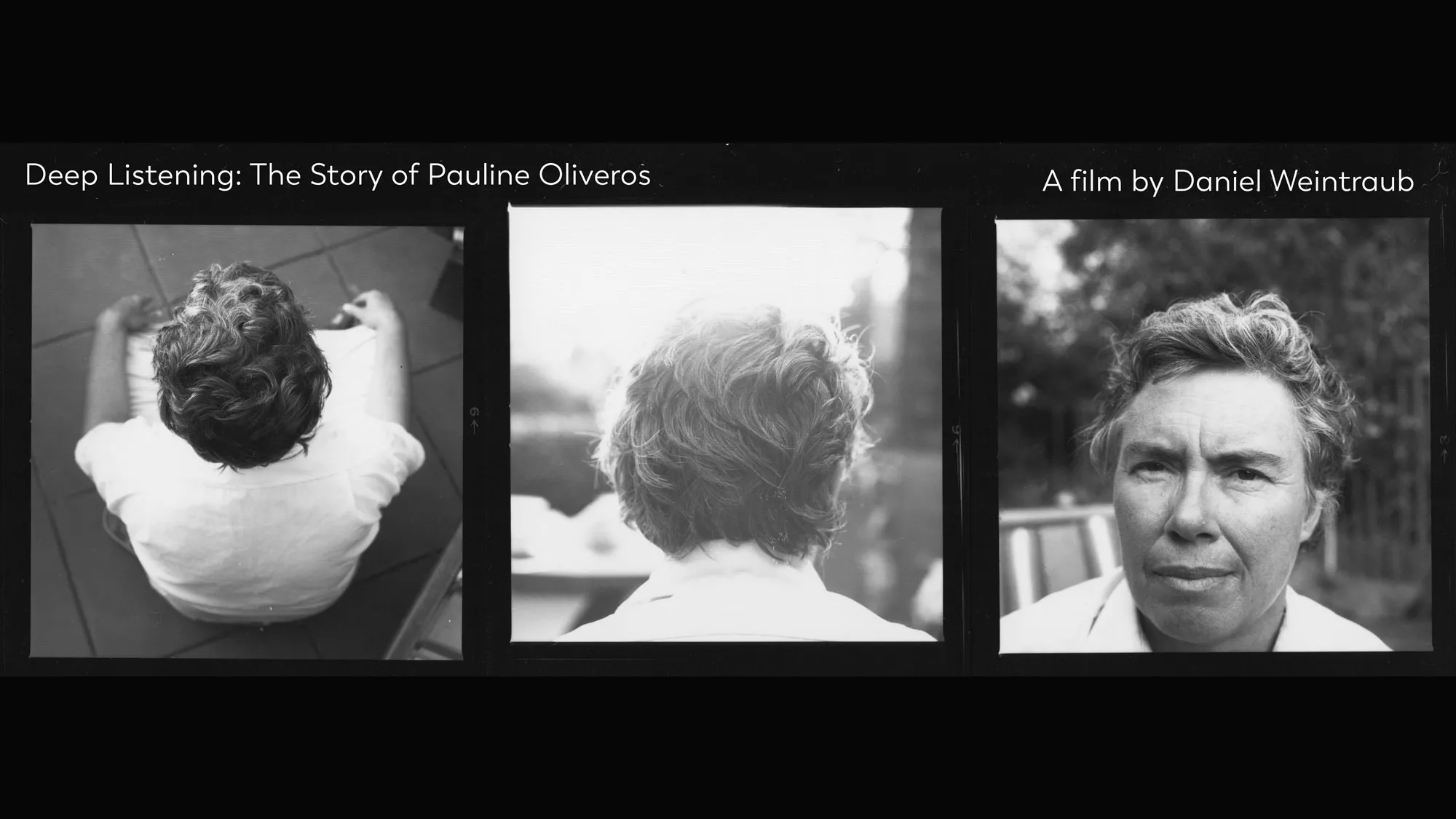
Pauline Oliveros triptych

Deep Listening: The Story of Pauline Oliveros

Daniel Weintraub

Join us for a special preview of director Daniel Weintraub's new feature-length film, Deep Listening: The Story of Pauline Oliveros, a documentary that traces the life and work of visionary composer, musician, teacher, technological innovator, and Rensselaer distinguished research professor of music Pauline Oliveros (1932–2016).

An electronic music pioneer, Oliveros' approach to composition sought to produce a place, sound, and experience outside the normative conventions of Western music. Dispensing with the primacy of the concert hall, the virtuosic musician, and the hierarchically disciplined relationship of audience and performer, Oliveros instead approached music through Deep Listening, her meditative practice of sound and body experiments structured by concentrated attention to the acoustic environment. 

Produced in collaboration with executive producer IONE, Oliveros' partner in life and work, and the Ministry of Maåt, Inc., the film combines rare archival footage, including recordings from her performances at EMPAC, with intimate interviews that illuminate Oliveros' radical experiments with sound, technology, and philosophy that define her life of listening. 

A Q&A with Daniel Weintraub and IONE will follow the screening. 

Main Image: Pauline Oliveros. Courtesy of IONE

Image
a woman in a jumpsuit with a mirrored mask standing on a precipice above a jungle

Oriana

Beatriz Santiago Muñoz

In Beatriz Santiago Muñoz’s EMPAC-commissioned feature-length film Oriana, a band of feminist militants takes refuge in a thriving Puerto Rican landscape. The film relocates Monique Wittig’s infamous novel Les Guérillères to the island in the wake of Hurricane Maria, where its protagonists work and cook, dance and rest, and prepare for battle amidst the abundant tropical vegetation.

Suffused with unexplainable encounters, Oriana unfolds across forests, caves, rivers, and the ruins of industry and colonial infrastructure abandoned and fallen into disrepair. Encompassing both delirious choreographic interludes and attention to quiet rituals, the film maps a world of perceptual distortions, obscure gestures, and collective processes, one where quotidian objects transform into arcane weapons and where ancestral spirits and the recently dead alike become phantasmatically present.

Performed by a cast of Santiago Muñoz’s collaborators who come from music, performance, art, and poetry, Oriana was filmed on location in Puerto Rico and at EMPAC, where the Center’s theater itself becomes a site of temporary shelter and respite from a struggle that remains at once omnipresent and unspecified. Nevertheless, against this backdrop of exhaustion and threat, the film strives to visualize the ecstatic and unsettling potential of new social forms, languages, and ways of living in the aftermath of a slow exit from long legacies of colonization and patriarchy.

Main Image: Film still from Oriana (2022). Courtesy the artist. Photo: Bleue Liverpool.