Image
Zbigniew Oksiuta in disucssion

Form, Processes, Consequences

Zbigniew Oksiuta

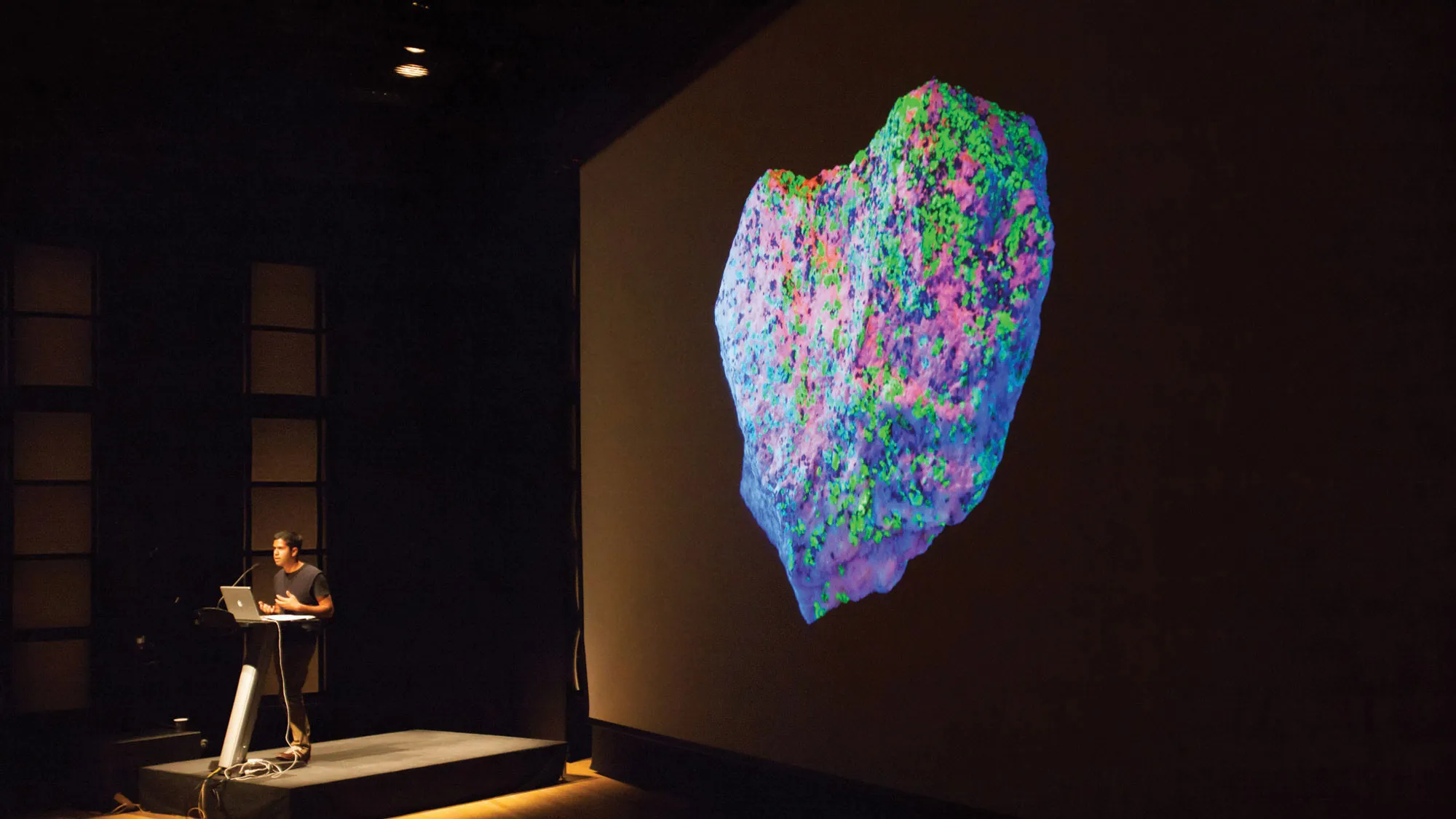
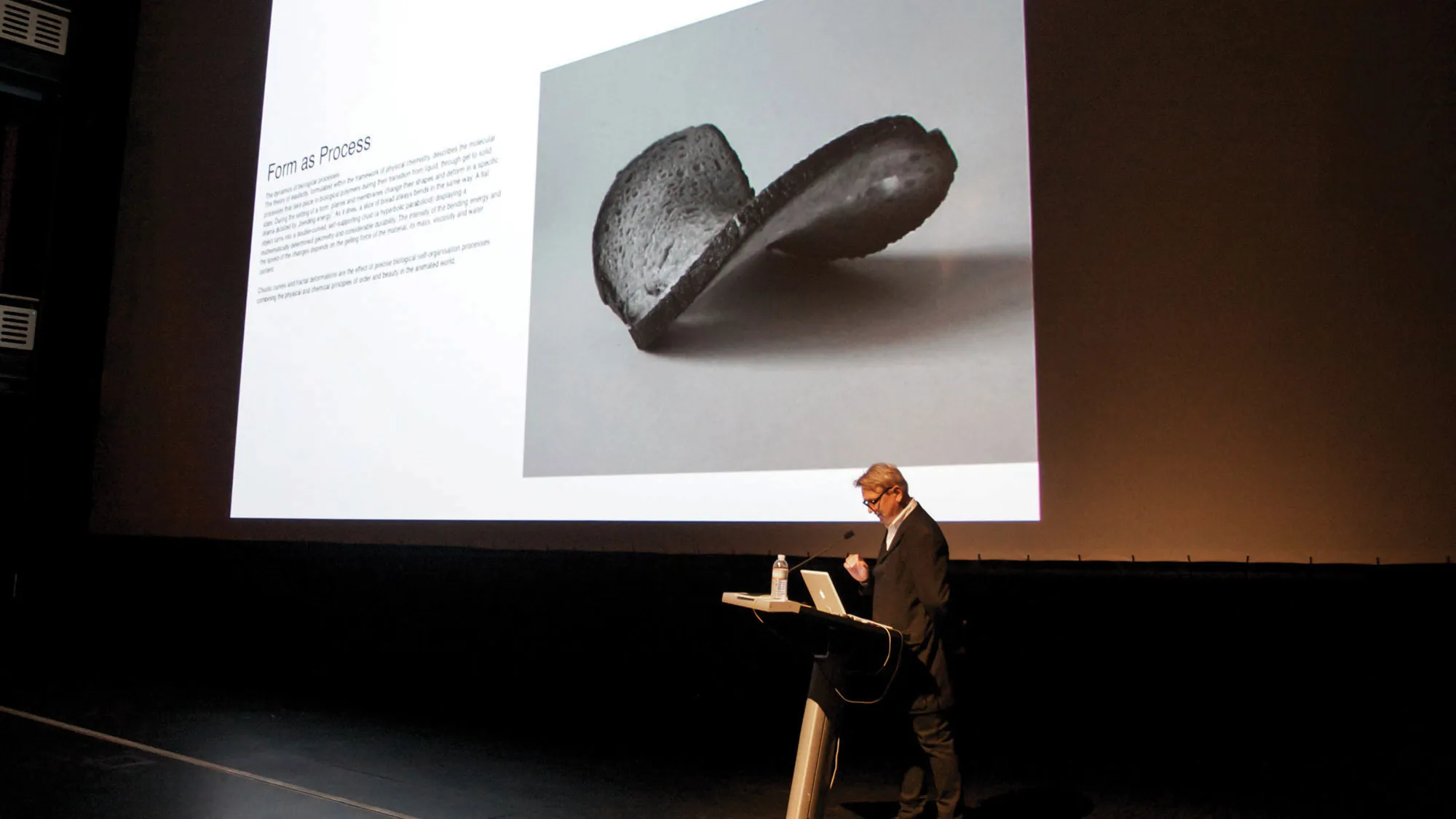
In his research, Rensselaer Architecture Professor Zbigniew Oksiuta develops living biological habitats by combining art, architecture, engineering, and the biological sciences. His work looks to reduce the notion of space to its absolute minimum: the physical and chemical parameters that enable physiological existence. In this two-part talk, Oksiuta discussed his research into the possibility for biological processes to occur on an architectural scale, asking whether life processes—which normally take place on the nanoscale of proteins, acids, and saccharides—can happen on a macroscale. 

Oksiuta is an artist, architect, and scientist whose work has been shown at venues worldwide, including the Venice Biennale, ARS Electronica, Foundation for Arts and Creative Technology (FACT) in Liverpool, and Dublin’s Science Gallery. 

This event was curated by Paula Gaetano.

Detail View: Rensselaer professors and researchers shared in-depth perspectives on their fields of inquiry, inviting an exchange of ideas between experts and non-experts alike.


Main Image: Zbigniew Oksiuta in 2012.
Image
Leslie Vosshall

Leslie Vosshall

Bitten: Why Do Mosquitoes Bite Some People and not Others

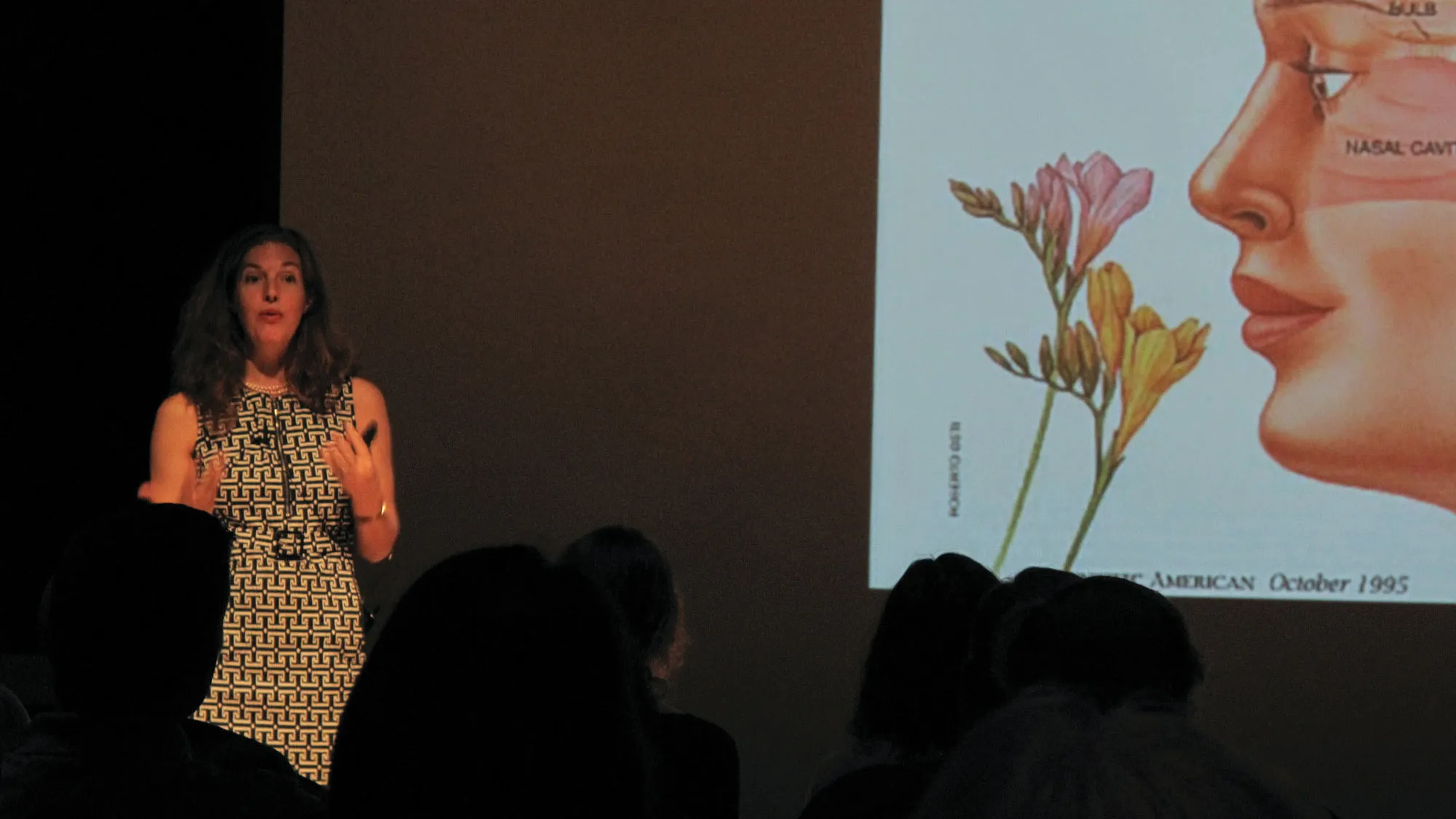
How are mosquitoes able to detect our presence? Leslie Vosshall, neuroscientist and head of laboratory at Rockefeller University’s Howard Hughes Medical Institute, will give an in-depth presentation on the origins and complexities of smell and its impact on behavior. Her talk will cover a range of topics from the physiology of our sense of smell to the history of perfume making, and will answer the age-old question, “why do mosquitos bite some people and not others?”

Image
Zbigniew Oksiuta in disucssion

A Biological Future?

Zbigniew Oksiuta

In his research, Rensselaer Architecture professor Zbigniew Oksiuta develops living biological habitats by combining art, architecture, engineering, and the biological sciences. His work looks beyond historical, social, urbanistic, and aesthetic factors to reduce the notion of space to its absolute minimum: the physical and chemical parameters that enable physiological existence. In this two-part lecture, presented as part of the Detail View: Campus Perspective series, Oksiuta will examine dynamic systems that transfer information and energy through a liquid medium. Using biological polymers as building material, he has developed liquid, jelly-like, and rigid shapes on a human scale for unusual gravitational conditions, which enable the development of new kinds of living habitats in the biosphere and in space. The underlying narratives are driven by contrasting conceptions of the role of the artist and of time. The first sees the artist as anticipating the powers and dangers of techno-scientific progress through idiosyncratic experiments, with time as linear and progressive. The second sees the artist as re-constituting past historical ruptures and forgotten pathways to envision alternative ways of being contemporary with a more cyclical sense of progress. In the context of his research on living biological habitats, Professor Oksiuta will present work developed by Rensselaer Architecture students in his Human Habitat as Biological Living System design studio course.

Image
Jonathan Sterne in discussion.

Jonathan Sterne

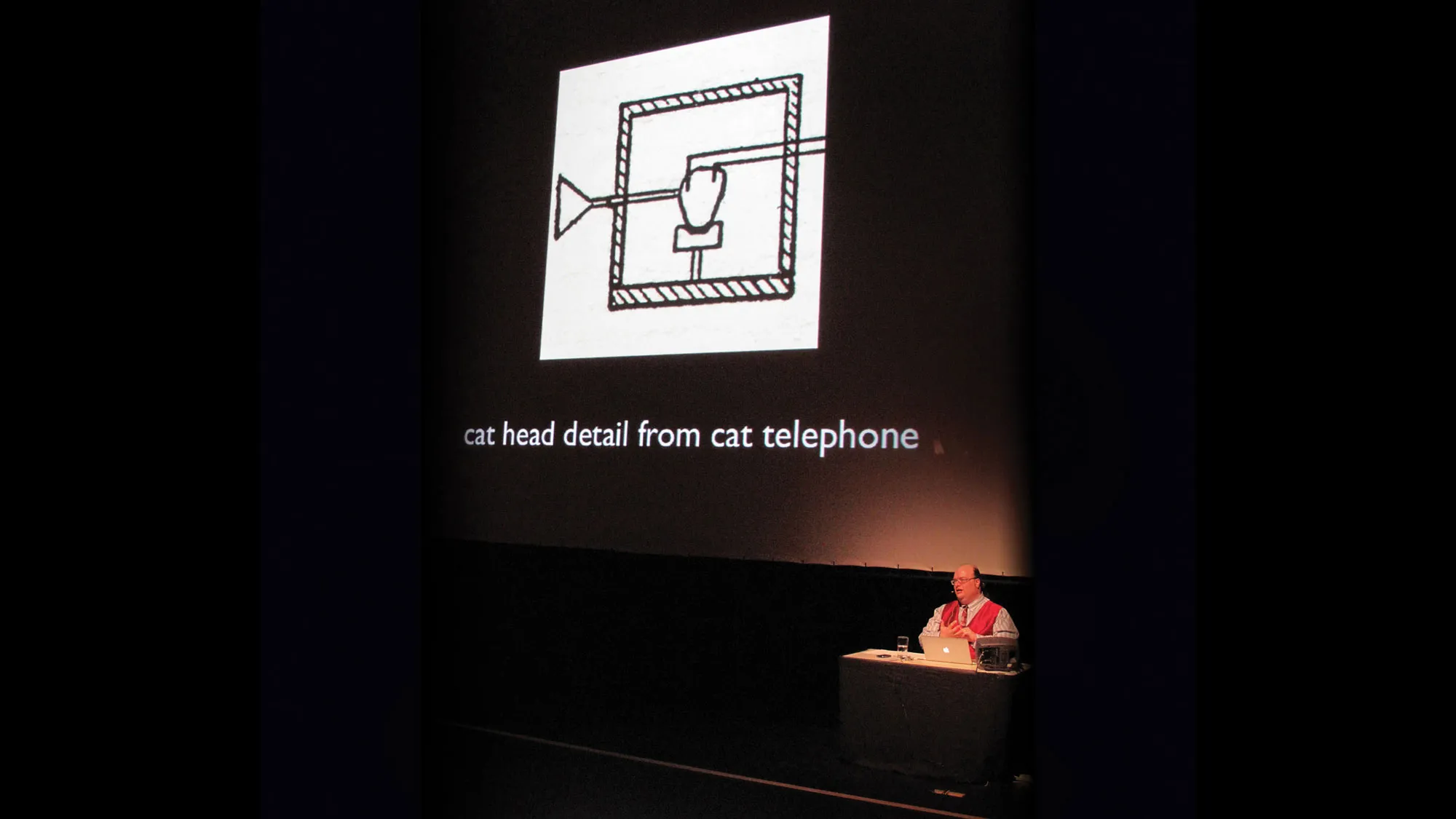
MP3: A Hundred-Year History of an 19-Year-Old Format in Under an Hour

There are now more MP3s in circulation than all other forms of recorded audio combined. Through a series of episodes, Jonathan Sterne offers a history of the MP3 format, and uses it to point to a longer, general history of compression in the 20th century. Our most basic ideas of what it means to hear and listen, as well as our ideas of information, are tied to the problems and progress of 20th century media. In its everyday combination of sound, information, and infrastructure, the history of the MP3 offers a radically different story about the meaning of hearing and the origins of digital media.

Main Image: Jonathan Sterne in the theater during his talk in 2012.

Image
John D Barrow

John D. Barrow

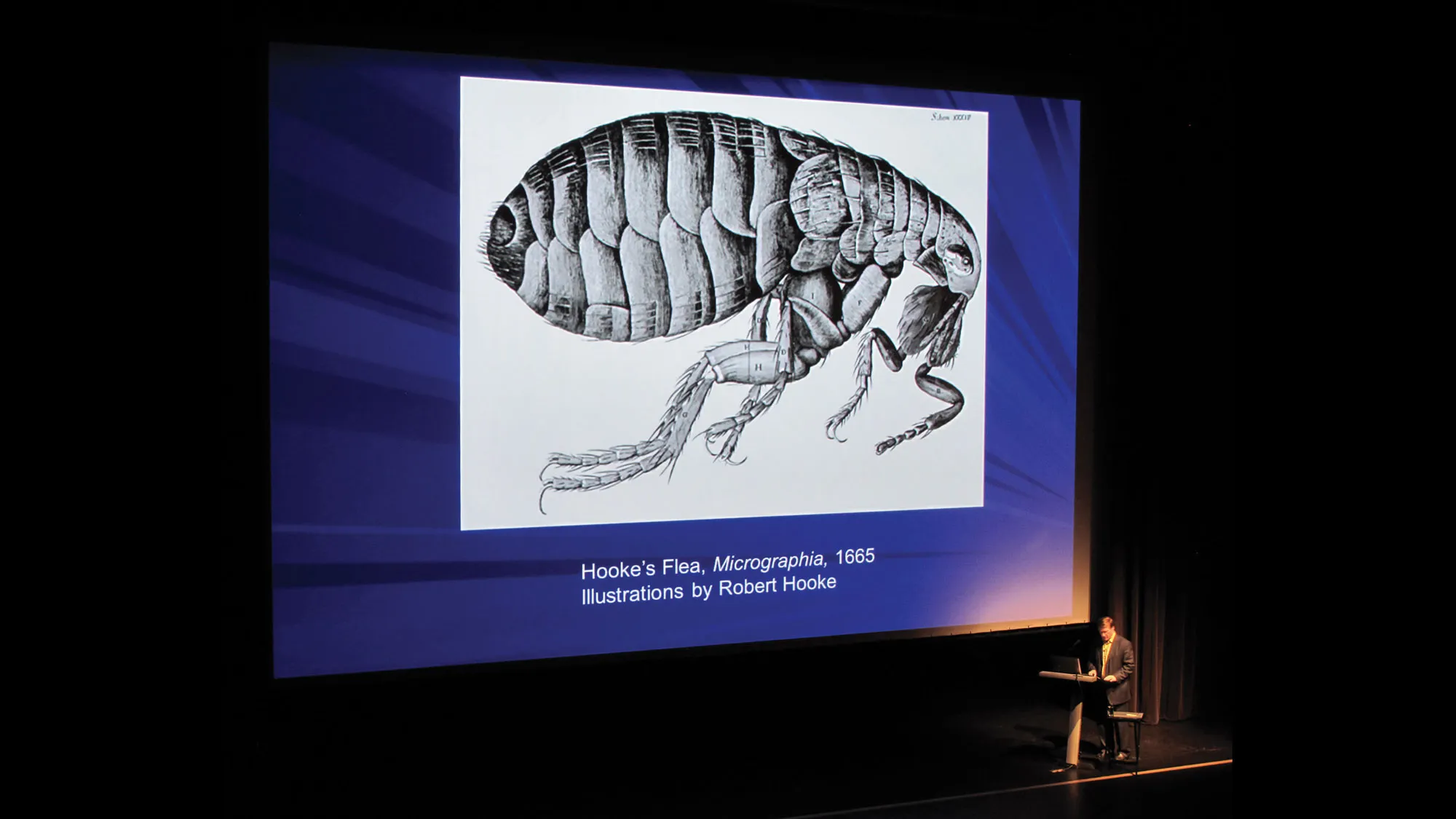
Better Than a Thousand Words

Physicist John D. Barrow discussed the “observer effects” principle and the impact of images on the development of science throughout history. From the first graphs and illustrated books to MolScript; from the first pictures of spiral galaxies in Van Gogh’s The Starry Night to the Hubble Space Telescope; and from the atomic bomb’s mushroom cloud to the intricacy of fractals, he examined the past influence of pictures in science and the growing influence of visual expression today. 

Barrow is a cosmologist who studies the early history of the universe, the mathematical structure of cosmological models, and ways in which astronomy and cosmology can be used to test aspects of fundamental physics. He is a professor of mathematical sciences at Cambridge University. He is also the director of the Millennium Mathematics Project, an initiative to improve the understanding and appreciation of mathematics and its applications.

Observer Effects offered a dialogue between the fields of art and science. The title was derived from the principle in physics that the act of observation transforms the observed, an idea that has been influential in philosophy, aesthetics, psychology, and politics.

Main Image: John Barrow in the theater during his 2012 talk at EMPAC. Photo: EMPAC/Rensselaer.

Image
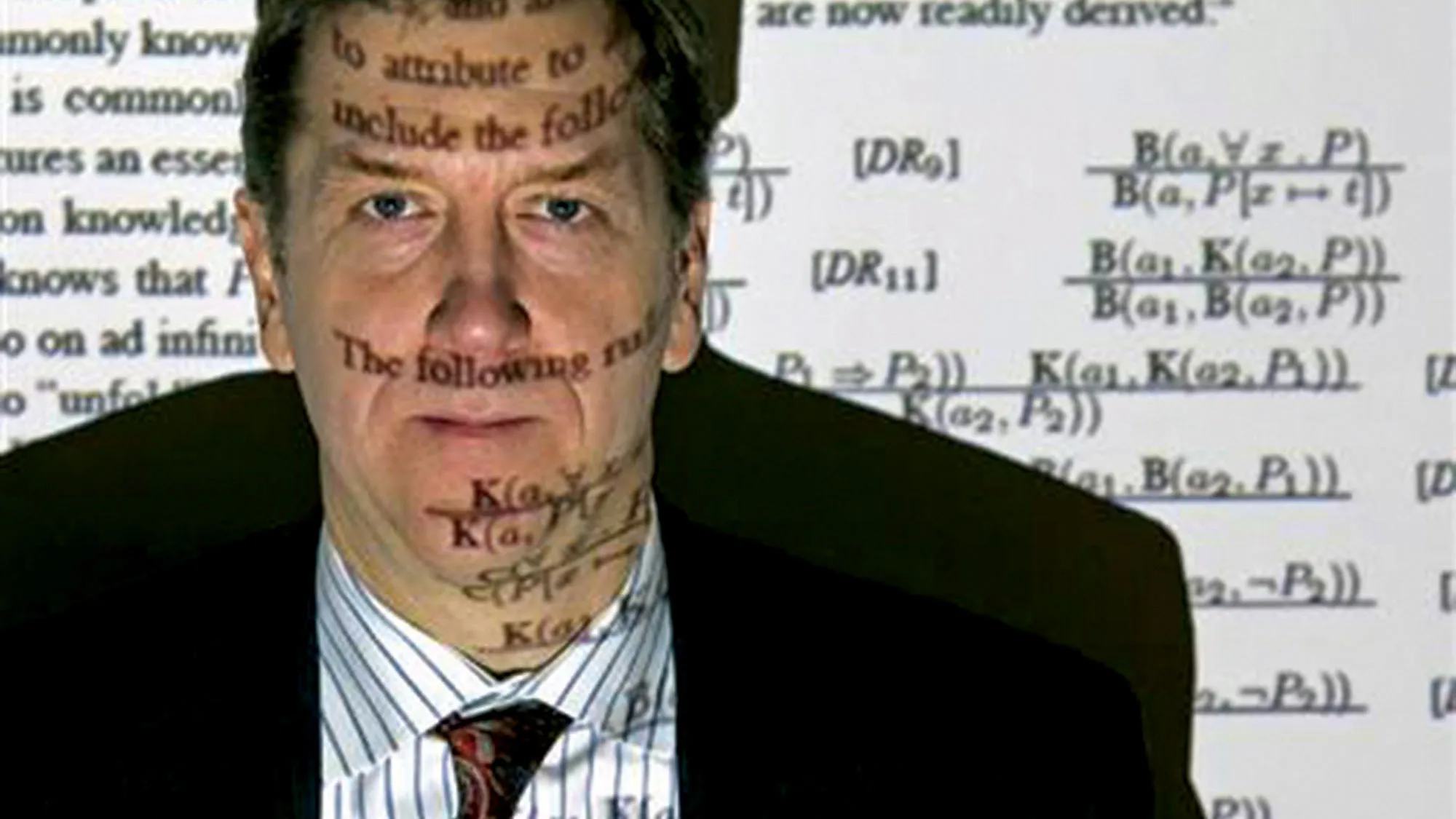
Selmer Bringsjord with equations projected over his face.

Selmer Bringsjord + Naveen Sundar G

To Infinity and Beyond!

Computing machines are getting smarter, attempting to reach levels of human-like intelligence. But even artificial intelligence systems like Watson on Jeopardy! can’t compare to the complexities of the human mind. Rensselaer Professor Selmer Bringsjord and PhD student Naveen Sundar G. used EMPAC’s unique environment to visualize the infinite and question three claims: that all of mathematical cognition is reducible to simple problem-solving carried out by dogs and monkeys (Darwin); that mathematics is just a humdrum human construction rooted in bodily motion and metaphor (Lakoff); and that artificial intelligence will soon explode beyond human intelligence in an event known as “the singularity” (Kurzweil). Bringsjord specializes in the logico-mathematical and philosophical foundations of artificial intelligence (AI) and cognitive science.

Naveen Sundar Govindarajulu is an International Fulbright Science and Technology scholar. Since receiving his PhD in computer science at  the Rensselaer Artificial Intelligence and Reasoning Laboratory (RAIR Lab), he has been a research scientist at Yahoo.

Detail View: Rensselaer professors and researchers shared in-depth perspectives on their fields of inquiry, inviting an exchange of ideas between experts and non-experts alike.

Main Image: Selmer Bringsjord.

Image
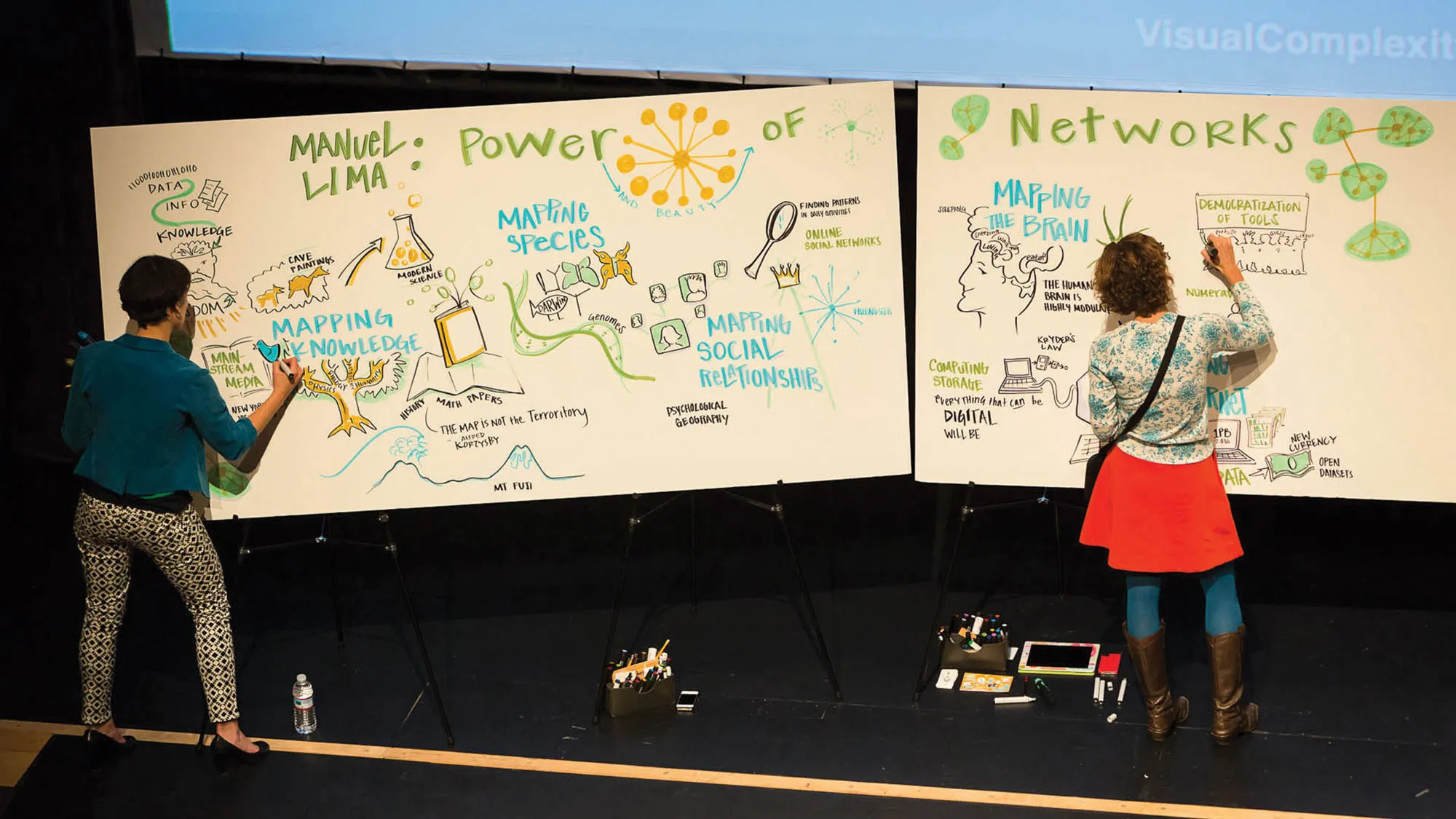
Two people dressed colorfully drawing an infographic about the 'Power of Networks' on large white boards.

Manuel Lima

Session: The Power of Networks

Manuel Lima, author of Visual Complexity: Mapping Patterns of Information, led a discussion on network visualization, which has experienced a meteoric rise in the last decade, bringing together people from various fields and capturing the interest of individuals across the globe. This talk explored the critical paradigm shift of using networks to map the complexities of our modern world rather than hierarchical tree structures. 

The talk was drawn live by ImageThink (Nora Herting and Heather Willems), who use the art of graphic facilitation to transform complex ideas into powerful visual stories. Lima is an interaction designer and founder of VisualComplexity.com, a comprehensive repository of complex network visualizations. Prior to joining Microsoft, Lima worked as a senior user experience designer at Nokia and senior interaction designer at the leading digital agency R/GA.

Observer Effects offered a dialogue between the fields of art and science. The title was derived from the principle in physics that the act of observation transforms the observed, an idea that has been influential in philosophy, aesthetics, psychology, and politics.

Main Image: Session: The Power of Networks talk in 2012.

Media
Image
A large screen projecting four images of Claude Monet's signature.

Peter Matthaes

Art Fraud: Recognizing Authenticity in Art

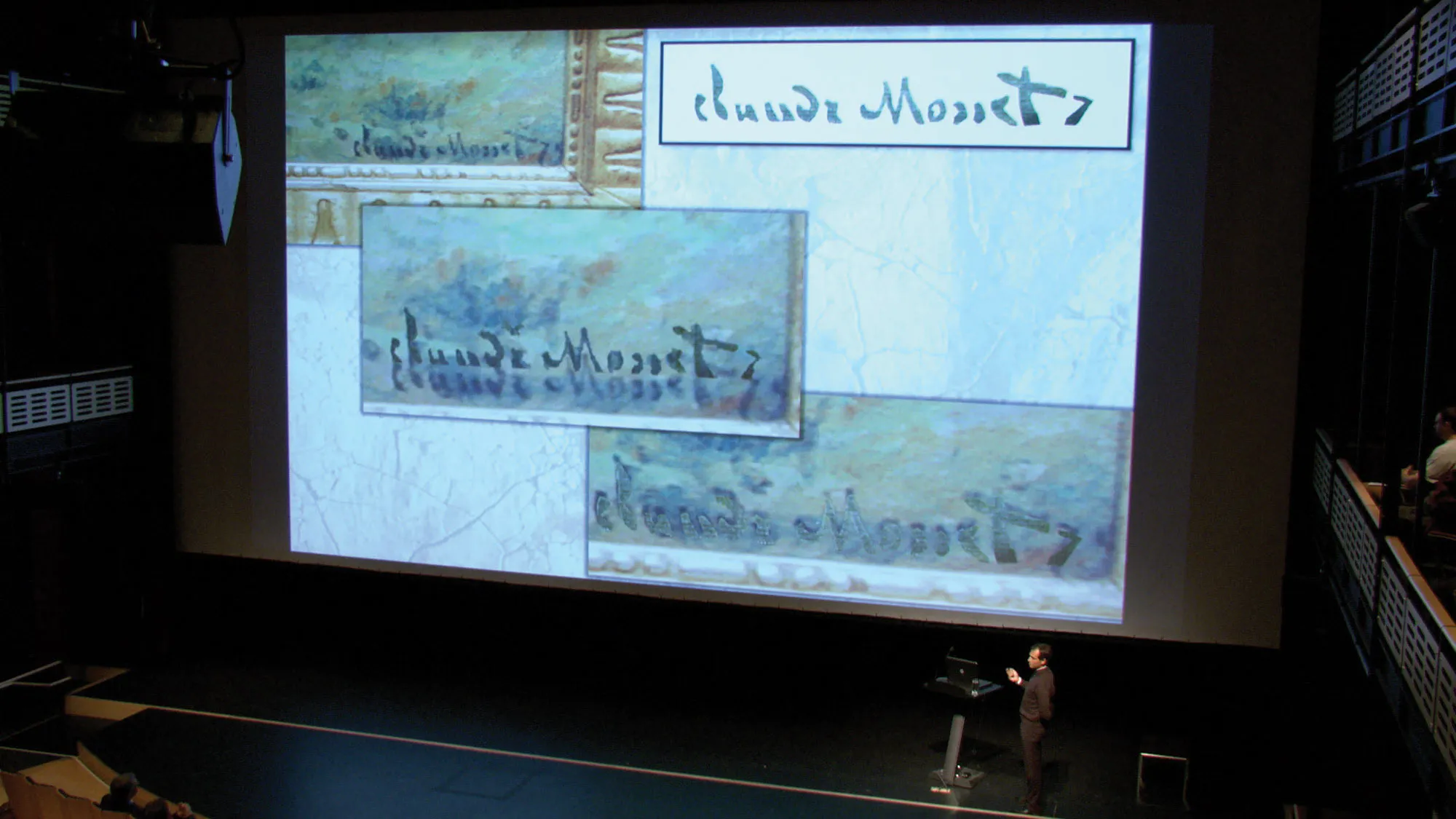
Peter Matthaes, director of the Museo D’Arte e Scienza, presented a discussion on art fraud and the use of science and the senses to recognize authenticity in art. Recognizing the authenticity of an art object is as fascinating as it is complex. The classic approach, which studies style, is supported by numerous new methods of scientific investigation and by the ability to use our senses: sight, touch, smell, hearing, and to a much lesser extent, taste, substituted by our “sixth sense.” Matthaes offered an overview of methods used by the Museo d’Arte e Scienza of Milan in its day-to-day activities to ascertain authenticity. Since becoming head of that laboratory, Matthaes has conducted hundreds of scientific appraisals each year. He receives commissions from various parts of the world, and provides technical opinions to Italian and foreign courts. 

Observer Effects offered a dialogue between the fields of art and science. The title was derived from the principle in physics that the act of observation transforms the observed, an idea that has been influential in philosophy, aesthetics, psychology, and politics.

Main Image: Peter Matthaes during his talk in 2012.

Media
Image
Melvin Moti

Melvin Moti

The Eye As I Can See

In this talk, Dutch artist Melvin Moti considered the nuances of visual perception and the paradoxical status of the eye, which acts as both a camera and a lens. 

As an artist, Moti primarily works with film, but also uses a range of media including photography, drawing, text, and installation. His pieces are often the outcome of extensive research into overlooked historical events that have a prophetic quality when reconsidered from a contemporary perspective. In response to our oversaturated visual culture, Moti explores conditions characterized by a reduction in sensory perception. Positioning the viewer as a witness, his non-narrative films open up a political space for imagination and creativity through the disjunctive clash between the moving image and its corresponding voiceover. In addition to producing films, Moti has exhibited artist books, objects, and drawings.

Observer Effects offered a dialogue between the fields of art and science. The title was derived from the principle in physics that the act of observation transforms the observed, an idea that has been influential in philosophy, aesthetics, psychology, and politics.

Main Image: Moti in studio 2, 2012.

Susan Sgorbati: Creative Research

Susan Sgorbati

Susan Sgorbati’s original work in emergent improvisation in dance led to her concept of “emergent structuring” for collaborative, applied problem solving for political, social, and environmental issues. A key feature of this work has been dialogue with scientists on how complex systems dynamics in brain research and biological systems are reflected in improvisational ensembles in dance and music. For this six-week creative research residency, she brought together multiple perspectives on how groups can create collective meaning to enable structures that will solve complex problems. Sgorbati is a professional mediator and the Barbara and Lewis Jones Chair of Social Activism at Bennington College, where she develops and supervises the curriculum in conflict resolution; she also mediates for the Vermont Human Rights Commission.

TALK: May 9, 2012: Mirror Neurons and Our Capacity for Empathy, Marco Iacoboni and Susan Sgorbati. Iacoboni is a neurologist and neuroscientist who pioneered research on mirror neurons, the “smart cells” in our brain that are thought to illuminate our ability to interpret the feelings and intentions of others. Sgorbati joined Iacoboni after the talk to explore the role of empathy in any emergent collaborative process of creation, whether in dance or conflict resolution.

WORKSHOP: April 14, 2012: Emergent Improvisation, Susan Sgorbati. Visitors observed Sgorbati’s work with emergent improvisation; an ensemble of six dancers demonstrated Sgorbati’s concept of the emergent process and how patterns naturally emerge through improvisation in dance and music.

TALK: April 11, 2012: Biomimicry, Tim McGee and Susan Sgorbati. Through examples and stories, biologist Tim McGee shared where biological wisdom is changing the way we work, think, and create, and where increasingly our technologies have more in common with 3.8 billion years of evolution. McGee is a biologist who spends his time integrating the fields of biology, design, engineering, and business to create regenerative systems, products, and services that revitalize our relationship to the living world. "